3:29 AM How to Choose Plumbing or Sewer Line Insurance in Illinois | |
|
Plumbing and sewer line insurance can help protect homeowners from the high cost of repairing or replacing underground lines. In Illinois, policy details matter—especially around what’s covered under “service line” vs. “sewer system,” the parts covered (pipes, cleanouts, fixtures), and how the insurer determines what qualifies for a claim.
Before buying, start by matching the policy to your property and risk. Older homes, tree roots, historic plumbing layouts, and neighborhoods with heavy freeze-thaw cycles can all increase the chance of leaks or clogs. A good Illinois-focused choice is one that fits your home’s plumbing setup and your budget for deductibles and limits. 1) Confirm exactly what the policy covers
Read the coverage section closely and look for plain-language definitions. Most homeowners care about three areas: (1) the underground pipes themselves, (2) the fixtures/components connected to them, and (3) access points like cleanouts. In many policies, coverage may differ between interior plumbing and exterior service lines.
Pay attention to whether coverage includes:
If your policy uses a boundary term (such as “from the foundation to the utility line”), confirm the exact measurement point and whether it changes based on local service arrangements. 2) Understand exclusions and common “gotchas”
Even comprehensive plans may exclude certain issues. Common exclusions can include pre-existing damage, backups caused by neglected maintenance, blockages from specific materials, or damage resulting from improper installation. Some policies also exclude repairs where the insurer cannot verify conditions through inspection or documentation.
Ask the insurer (or review the contract) about how they treat:
Exclusions are where plans often differ the most. If you have a known issue (for example, a prior slow drain), clarifying how that’s handled before you buy can prevent claim disputes later. 3) Compare limits, deductibles, and payout rulesTwo policies with similar coverage names may price very differently because of limits and claim payout mechanics. Look for:
For many homeowners, the practical question is whether the policy’s limit realistically matches the typical cost of sewer line repairs in your area—especially where digging, restoring driveways, or repairing landscaping could raise the final bill. 4) Evaluate the claims process and contractor network
In a plumbing emergency, speed and clarity matter. Check how claims are initiated, whether you must use an insurer-approved contractor, and what happens if you need immediate stabilization. You should also verify how the insurer handles diagnosis—such as imaging, camera inspections, or pressure testing—before deciding on repairs.
Look for details on:
A strong policy doesn’t just list coverage; it makes the claim workflow understandable. 5) Match the policy to your maintenance habits
Many claims turn on whether the homeowner followed reasonable maintenance. Policies may expect routine drain care or prohibit certain actions that can worsen blockages or leaks. If the policy includes maintenance guidance, keep records—receipts for cleanouts, professional inspections, or sewer line servicing can help establish a maintenance history.
Consider taking basic preventive steps that often reduce risk, such as clearing debris from gutters/downspouts away from foundations, using strainers where appropriate, and addressing repeated slow drains early rather than waiting for a backup.
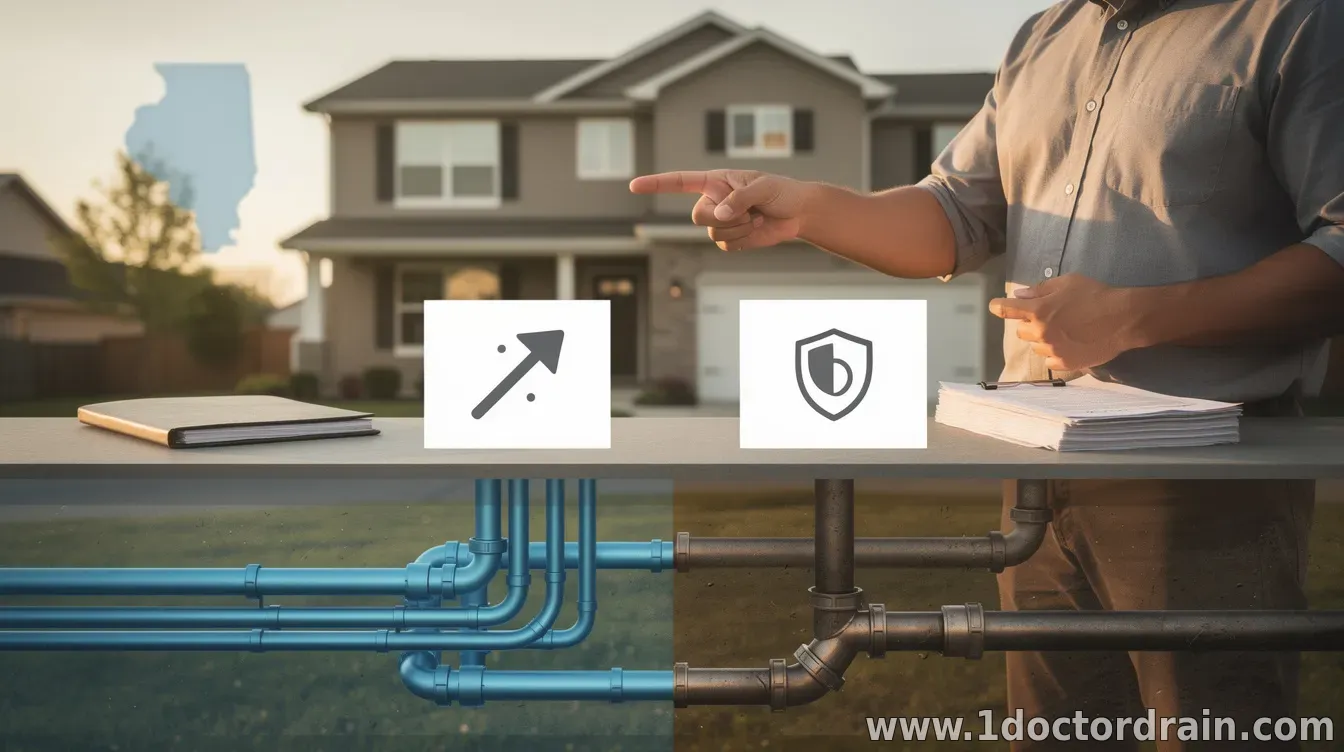
While maintenance expectations vary by insurer, consistent care can improve your ability to qualify for coverage when problems occur. 6) Confirm Illinois-specific realities and documentationEven though insurance forms are often standardized, local factors can affect repairs and costs. Illinois weather can contribute to pipe strain and ground movement. Also, the underground utilities and property boundaries relevant to sewer service may differ based on local arrangements. When comparing policies, ask how the insurer determines the covered segment and whether they require a pre-purchase inspection.
If the policy includes a waiting period, verify how long you’ll need to wait before coverage starts. For new homeowners, clarifying whether you’ll be covered for unknown conditions can be especially important.
Bottom line: The best plumbing or sewer line insurance policy in Illinois is one with clear definitions, realistic limits, minimal surprises in exclusions, and an efficient claims process. Before you purchase, read the coverage map, confirm the boundary of responsibility, compare deductibles and caps, and ask how emergencies are handled.
If you’d like, tell me your city (or ZIP code), whether you’re buying for a single-family home or multi-unit property, and the age of your plumbing—then I can suggest a checklist of questions to ask insurers based on your situation.
| |
|
| |
CALL ☎ Subscribe 👆
Next & Previous posts
Related materials:
CONTACT US 📩
Submit the form, we'll contact you as soon as possible!