0:18 AM Does a Sewage Ejector Pump Need Regular Maintenance? | |
|
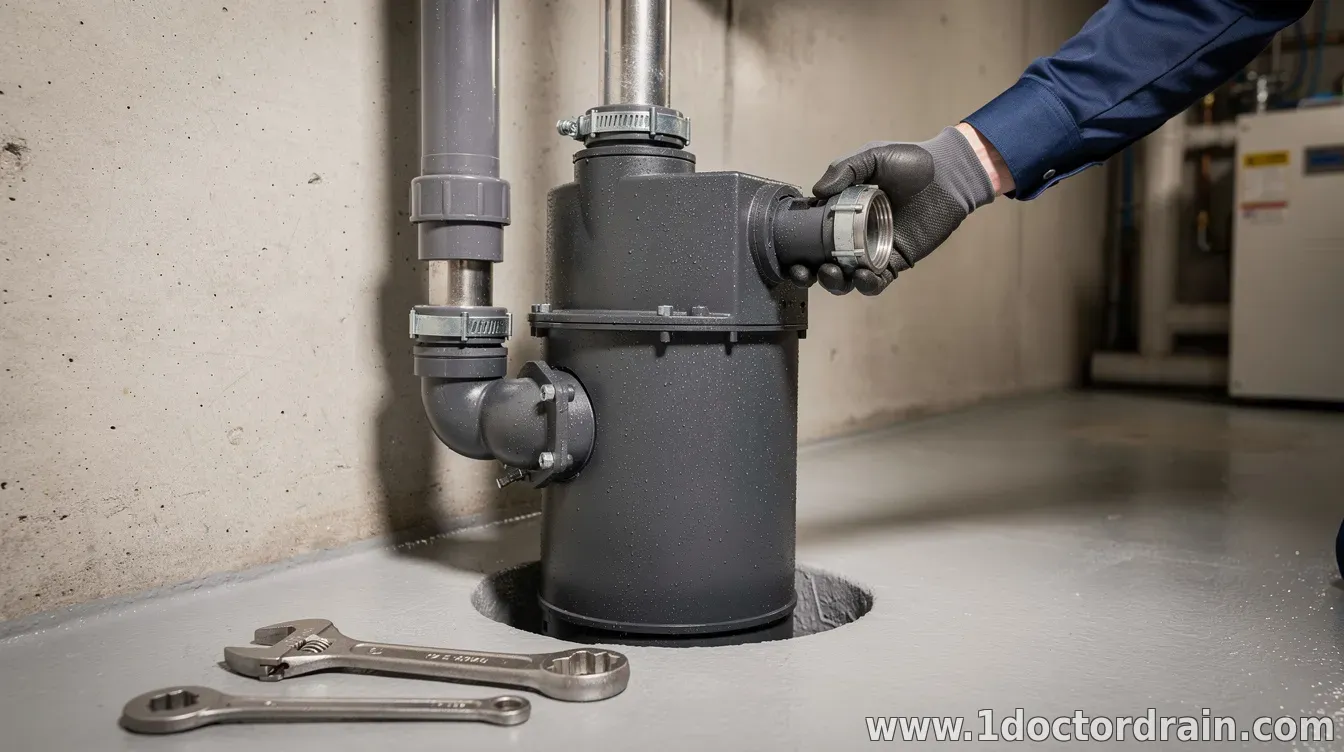
Sewage ejector pumps are designed to move wastewater from below-grade spaces to a main sewer or septic system. Because they handle solids, variable flow, and sometimes corrosive conditions, they can’t safely “set and forget.” Regular maintenance helps ensure they run when needed and shut off properly.
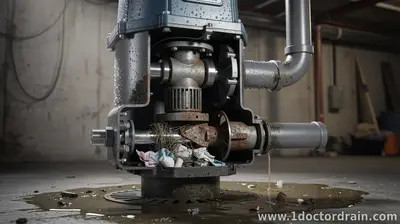
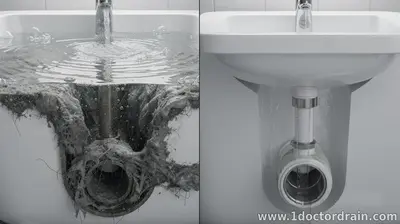
In practice, maintenance is about preventing the two most common failure points: clogging and electrical/mechanical wear. Over time, hair, grease, wipes (even those labeled “flushable”), and sediment can build up in the pump, check valve, or discharge line—raising the chance of reduced performance or sewage backups. What regular maintenance can prevent
Routine checks generally focus on keeping the system clear and confirming that key components function correctly. This includes inspecting and cleaning accessible parts, verifying the operation of the float or level sensors, and checking the discharge path for signs of blockage.
For electrical reliability, maintenance may include confirming proper wiring, checking for overheating or corrosion, and ensuring alarms (if installed) work as expected. Mechanical wear—such as pump seals and impellers—can also be identified early if inspections are consistent. Typical maintenance schedule
A practical approach is to perform basic inspections periodically and deeper service on a less frequent cadence, depending on usage and manufacturer guidance. Many owners benefit from: checking operation and audible/visual indicators, inspecting for leaks, and listening for unusual sounds. Higher-use properties (multi-unit buildings, frequent heavy use) often need more frequent attention than a low-occupancy home.
Follow the manufacturer’s manual for the recommended service interval. If there’s an alarm system, test it according to the instructions. If the pump cycles unusually often, doesn’t cycle when expected, or trips breakers, those are maintenance triggers—not just “normal behavior.” Signs your pump needs attention sooner
Even with a schedule, you should investigate promptly if you notice warning signs. Common indicators include persistent odors near the system, gurgling sounds in nearby drains, repeated short cycling, slower-than-usual drainage, or visible moisture around the pump housing. Any sewage backup event is a clear sign that the system needs service before normal use resumes.
Because sewage systems involve health risks, troubleshooting beyond simple checks should be handled by qualified service personnel. They can inspect internal components, confirm correct operation of floats/controls, and address blockages safely. Best practices to reduce maintenance needs
Maintenance is easier when the pump isn’t forced to work beyond its design. Avoid flushing items that don’t break down quickly, limit grease and food waste entering the system, and ensure plumbing fixtures drain normally rather than overloading the pump during routine use. If you’re unsure what’s acceptable for your specific pump and local wastewater rules, consult the pump documentation or a licensed installer.
For most property owners, the answer is straightforward: sewage ejector pumps do need regular maintenance. A consistent, manufacturer-based schedule can prevent clogs, protect electrical components, reduce the likelihood of backups, and help the system last longer.
| |
|
| |
CALL ☎ Subscribe 👆
Next & Previous posts
Related materials:
CONTACT US 📩
Submit the form, we'll contact you as soon as possible!