0:35 AM Summer BBQ Grease Disposal Mistakes That Clog Kitchens | |
|
Outdoor kitchens are built for summer: open flames, frequent cooking, and fast cleanup. But many of the problems homeowners blame on “old pipes” actually start with how BBQ grease is disposed of after each cookout.
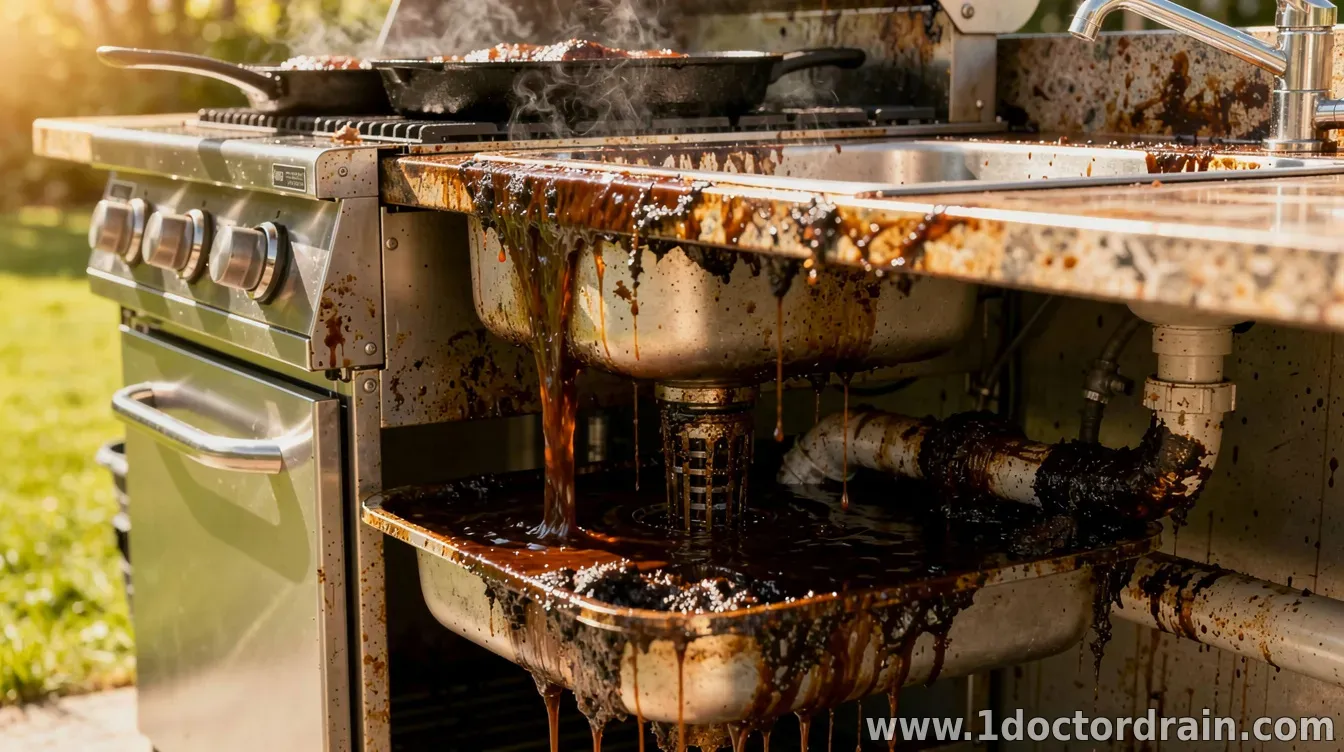
Grease doesn’t just disappear. When it’s poured down drains, it cools, sticks to pipe walls, and gradually narrows passages—especially in lines that see fewer uses or longer shutdown periods. Pouring hot grease directly into sinks or drains
One of the quickest ways to create future clogs is to send grease down a sink while it’s still hot. Even if it seems to flow at first, it can solidify deeper in the plumbing system, forming a slick buildup that traps food particles and other debris.
Better approach: Let grease cool, then collect it in a container. Dispose of it through appropriate local programs or waste services. “Rinsing it out” with lots of dish soap
Some people assume a heavy dose of dish detergent can dissolve grease and prevent buildup. In reality, soaps may temporarily emulsify grease—making it look clean in the moment—while the mixture later separates and re-accumulates in cooler sections of piping.
Over time, that residue can reduce drainage speed and increase odor. Skipping scraping and letting food waste travel with the grease
BBQ cleanup often involves wiping grills and tossing leftovers quickly. If grease mixes with marinades, char bits, and scraps and then goes down the drain, the combination becomes harder to remove than grease alone. The trapped solids act like “glue” for the grease layer, accelerating blockages.
Tip: Scrape plates, trays, and utensils before washing, and keep food scraps out of any disposal or plumbing pathway. Using outdoor drain areas that aren’t meant for grease
Outdoor kitchens sometimes route waste to separate drains, wash basins, or nearby ground drains. These systems can be more vulnerable to grease buildup because they may drain into areas where slow-moving fluids cool and solidify faster.
Grease can also create unpleasant odors and leave residue that attracts insects. Relying on the wrong “fix” when a clog starts
When drainage slows, homeowners may reach for aggressive chemicals or strong flushes of water. While these may provide short-term relief, they can worsen the situation by moving grease buildup into places where it becomes harder to clear.
Frequent “emergency” flushing can also contribute to recurring clogs rather than solving the underlying cause. What good grease disposal looks like in practice
To reduce clogs during the grilling season, focus on capturing grease before it enters plumbing, and minimizing how much food residue accompanies cleanup water. Many households find that a simple, dedicated grease container makes the process more consistent—and reduces the temptation to pour leftovers down drains.
Regular maintenance also helps: keep outdoor sinks and lines draining freely by addressing slow spots early rather than waiting for a full blockage.
With summer BBQ, the best time to prevent a clog is right after the last bite—before grease has a chance to cool, stick, and build up
| |
|
| |
CALL ☎ Subscribe 👆
Next & Previous posts
Related materials:
CONTACT US 📩
Submit the form, we'll contact you as soon as possible!