2:26 AM Restaurant Grease Trap Maintenance: A Schedule You Can Trust | |
|
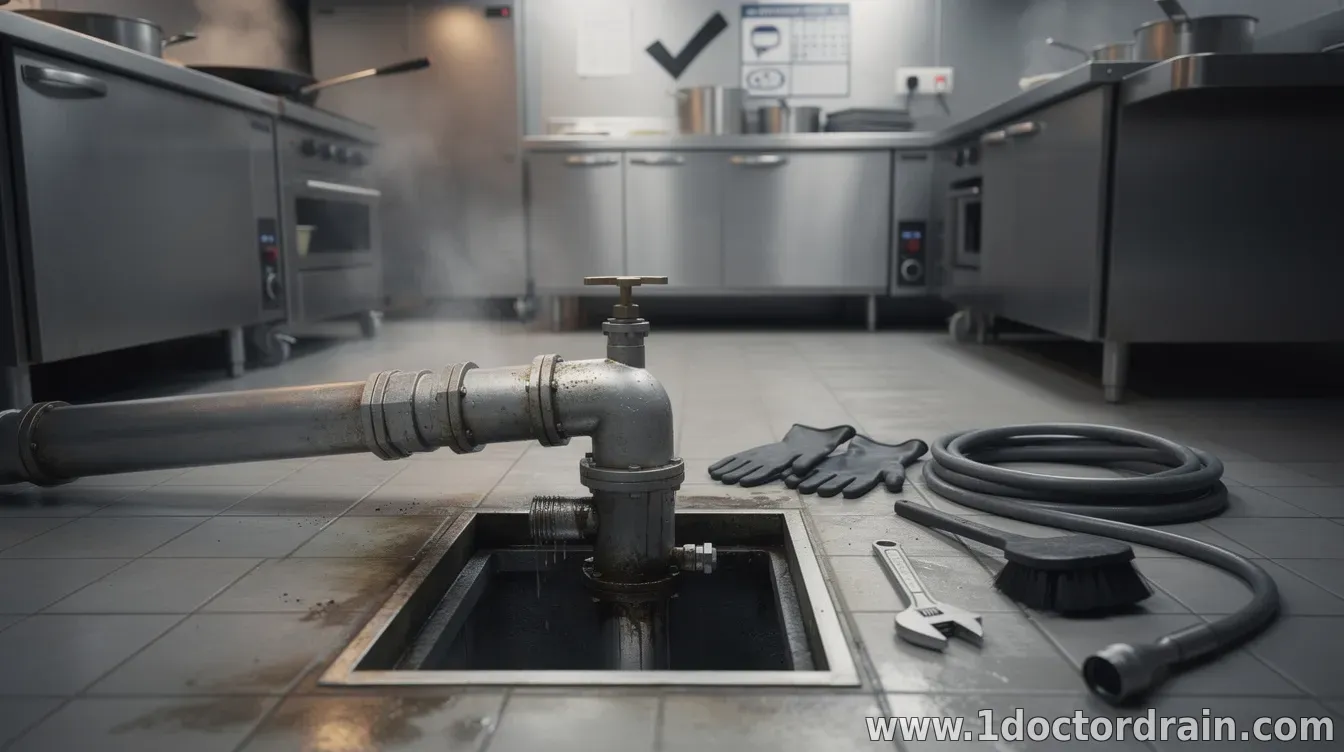
Grease traps are designed to intercept fats, oils, and grease (FOG) before they enter your plumbing system. For restaurants, they’re also a day-to-day necessity: when maintenance is inconsistent, clogs, foul odors, and expensive drain backups become more likely. A dependable maintenance schedule is the simplest way to keep your kitchen running smoothly and meet typical local wastewater expectations.
Most operators know grease traps matter, but schedules often drift—especially during busy seasons. The fix isn’t just “clean it when it looks full.” A good plan matches cleaning frequency to your kitchen’s workload, trap type, and local disposal rules, and it includes documentation that can be used during inspections. Start with the factors that determine frequency
There isn’t one universal interval for every restaurant. How often you need service depends on several variables, including the number of meals served, the volume of cooking oils used, and how much FOG reaches the interceptor from sinks, dishwashing, and food-prep areas. Your plumbing layout also matters: longer runs or older piping can increase how quickly problems develop.
Trap size and design play a role too. Some facilities rely on in-ground interceptors with scheduled pump-outs, while others use smaller above-ground units. If your grease trap includes monitoring features—such as alarms or sampling ports—those signals can help refine timing, but they still require routine inspection and cleaning. A practical grease trap maintenance schedule (baseline)
Below is a baseline schedule many restaurants use as a starting point. Your local regulator, hauler, or grease management program may set specific requirements, so treat this as a planning framework to tailor—not a replacement for local rules.
Daily (or every operating day)
Check general operation and keep the system from getting overwhelmed. Train staff to scrape plates properly before dishwashing and ensure sinks and disposal stations feed into the grease trap rather than bypassing it.
Weekly
Inspect for signs of buildup, odors, or slow drainage. Verify that baffles are intact (where applicable) and that access covers close properly to prevent debris from entering.
Monthly
Review records and confirm the trap is being maintained as scheduled. Consider a service call or closer inspection if you notice increasing grease accumulation, repeated odor complaints, or surcharges from wastewater services.
Every 1–3 months (common service interval)
Many restaurants schedule pumping/cleaning within this range, especially if kitchen activity is high or the restaurant produces more FOG (for example, heavy fry stations). This is typically performed by a licensed grease hauler or qualified contractor.
Quarterly to semi-annual (deeper service)
Plan periodic deep cleaning and component checks, such as verifying baffles and internal condition, inspecting for leaks, and confirming the disposal process is compliant. If your facility is frequently flagged for odor or buildup, you may need to shift toward quarterly rather than semi-annual intervals. How to adjust the schedule to your kitchen
A schedule should respond to what you see and what you measure. If maintenance crews report rapid accumulation or if operators notice recurring problems—like backups after peak service days—reduce the time between pump-outs or add more frequent inspections.
Conversely, if your kitchen produces lower FOG loads, staff training is consistent, and inspections show stable levels, you may be able to extend intervals within local compliance limits. The key is staying proactive: waiting until the trap is clearly “full” usually means the system has already been stressed.
Watch for these “service sooner” signals:
Documentation and compliance: don’t skip the paperwork
Many jurisdictions require proof that grease trap cleaning is performed by an approved service provider and that waste is disposed of properly. Keep records of pump-outs/cleaning receipts, service dates, volumes removed when available, and any inspection notes. A complete file helps reduce downtime during inspections and makes it easier to defend your program if questions arise.
Also ensure staff understand that grease trap maintenance is not only a vendor task. Simple operational practices—scraping cookware, managing disposal of cooking oils, and preventing food waste from entering sinks—directly affect how quickly the trap accumulates FOG. Common mistakes that break schedules
One frequent issue is treating the grease trap like a set-and-forget asset rather than a living part of kitchen operations. Another is relying on a single fixed interval even when menu changes or staffing shifts increase grease volume. Finally, some operators miss the difference between routine pumping and deeper inspections that address structural condition and internal components.
To avoid these pitfalls, assign responsibility internally: designate a kitchen manager or operations lead to track service dates, verify vendor scheduling, and log observations during weekly inspections. When ownership is clear, the schedule becomes easier to follow.
Grease trap maintenance isn’t glamorous, but it’s one of the most cost-effective lines of prevention a restaurant can take. Build a baseline schedule, adjust it based on kitchen workload and inspection findings, and document every cleaning event. With a consistent plan, you can reduce clogs and odor complaints while improving the odds of smooth inspections.
| |
|
| |
CALL ☎ Subscribe 👆
Next & Previous posts
Related materials:
CONTACT US 📩
Submit the form, we'll contact you as soon as possible!