2:48 AM Residential Guide: Tackling a Clogged Drain at Home | |
|
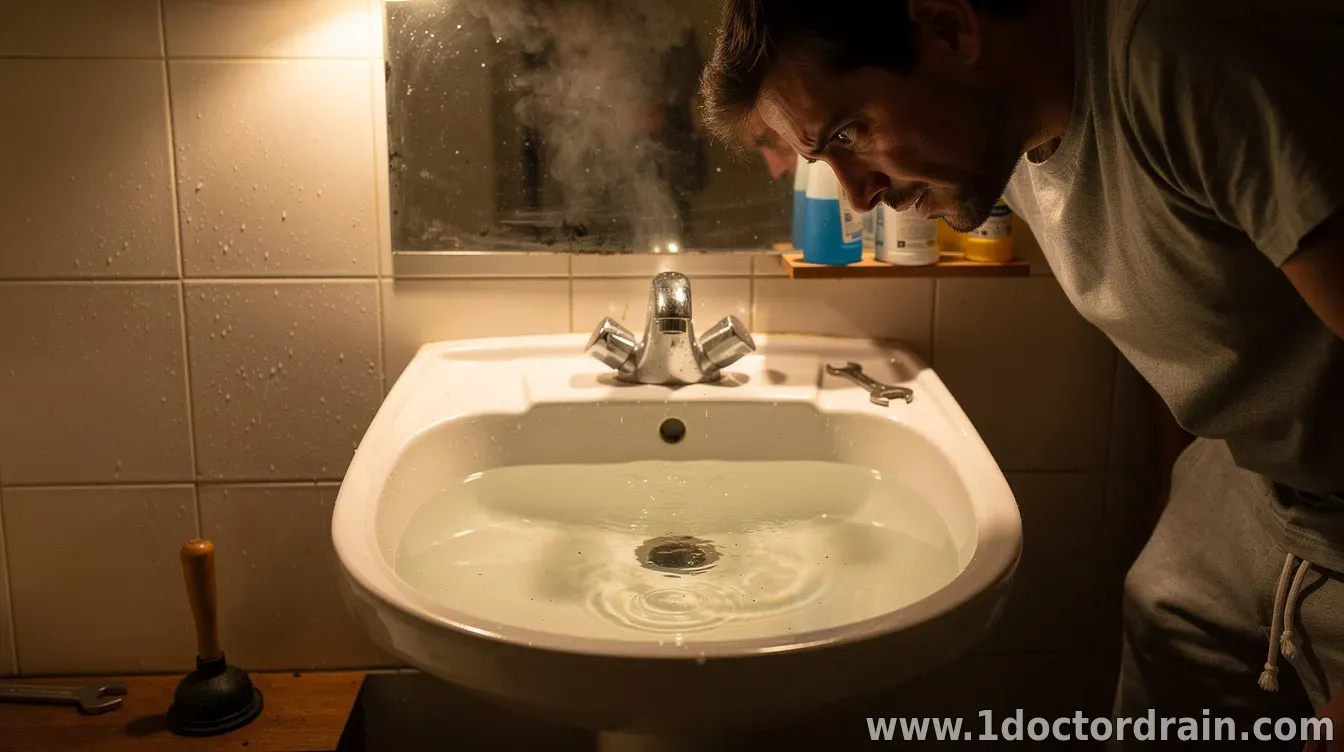
Clogged drains are a frequent headache for homeowners, often caused by hair, soap scum, grease, or foreign objects that accumulate over time. A slow or fully blocked drain can lead to bad odors, standing water, and increased moisture problems in kitchens, bathrooms, or laundry areas. Understanding the common causes helps homeowners act quickly and reduce damage.
Lead: When you notice a drain slowing down, start with safe, low-cost fixes before calling a plumber. Begin by removing hair and debris from the drain opening and using a plunger to generate suction that may break up minor blockages. For kitchen sinks, a mixture of hot water and dish soap followed by boiling water can clear grease buildup.
Background/Context: If plunging doesn’t improve the situation, a drain snake or auger can reach deeper clogs. Homeowners should use gloves and eye protection, slowly feed the snake into the drain, and rotate to dislodge obstructing material. Avoid chemical drain cleaners as a first option—they can damage pipes and harm septic systems, and their fumes can be hazardous in confined spaces.
Main Details: For more stubborn blockages, consider these steps: (1) Check other fixtures to determine if the problem is isolated to one drain or a shared line. (2) Use a bucket and towels to manage water in the affected area and avoid spills. (3) If you have a septic system, minimize flushing until the issue is resolved to prevent system overload. (4) Inspect trap accessibility under sinks; sometimes the trap is the source of the blockage and can be cleaned safely. (5) If the blockage remains after attempts, a professional plumber can use specialized equipment such as electric augers or hydro-jetting to clear the line without damaging pipes.
Quotes/Examples: Homeowners commonly report immediate improvements after removing visible debris and snaking the drain. A local plumber notes that many clogs originate in the P-trap and waste line and are solvable with careful, staged intervention rather than aggressive chemical use.
Conclusion/Next steps: Establish a routine maintenance plan to prevent future clogs—discard grease in the trash, use drain screens, and perform periodic hot-water flushes. If multiple drains are slow or water backs up in fixtures, contact a professional promptly to assess the sewer line and prevent costly damage.
| |
|
| |
CALL ☎ Subscribe 👆
Next & Previous posts
CONTACT US 📩
Submit the form, we'll contact you as soon as possible!