0:21 AM Emergency Drain Service: What Counts as a Real Emergency | |
|
A blocked drain is frustrating, but only some situations truly qualify as an “emergency drain service.” The difference often comes down to safety risks, potential property damage, and whether contaminated water is involved. Clear signs you should call an emergency drain service
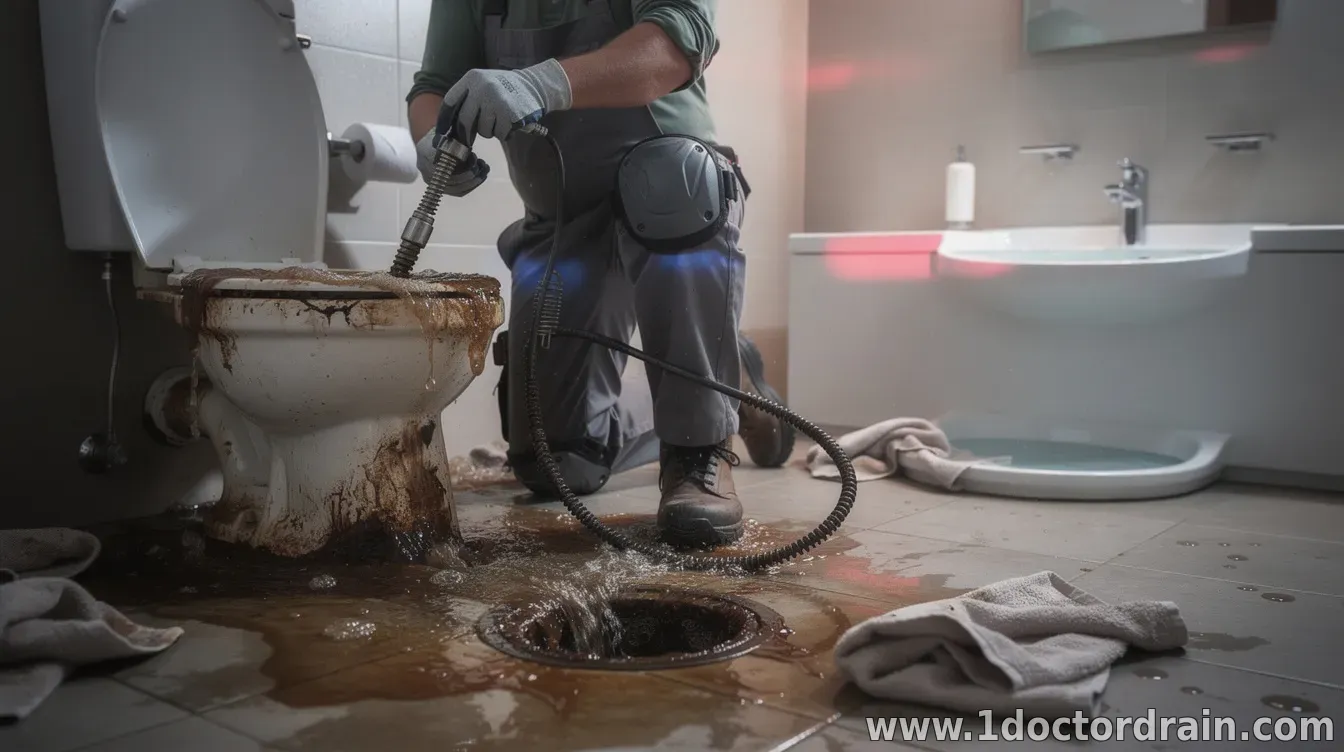
Sewage backup or foul odors. If toilet waste backs up into showers, sinks, or tubs—or if there’s a strong sewage smell that persists—this usually indicates a blockage beyond a simple clog. The longer it’s left, the higher the risk of contamination and spread.
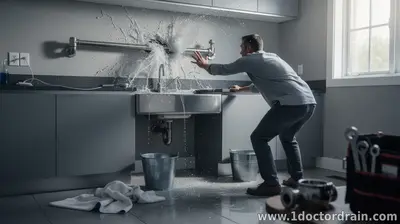
Standing water or flooding inside the home. Any pooling water in a basement, utility room, or around fixtures that won’t drain typically needs urgent attention. Water can damage floors, walls, electrical systems, and insulation.
Complete blockage or multiple fixtures failing at once. If several drains gurgle and back up simultaneously (e.g., kitchen sink and bathroom drains), the issue may be a main-line obstruction. This is more serious than a single fixture clog and often requires faster intervention. Situations that are urgent even if water seems “contained”
Drain leaks near electrical or gas lines. If dampness is near breaker boxes, outlets, HVAC equipment, or gas appliances, treat it as urgent. Water exposure can create shock hazards and accelerate corrosion.
Slow drainage with worsening symptoms. A clog that starts mild but rapidly becomes worse—especially when backups appear after every flush or shower—can indicate a buildup progressing toward a full blockage. What may not be an emergency
A single sink that drains slowly, without backups or flooding, is often a non-emergency. In many cases, professional triage can determine whether drain cleaning or basic clearing is enough. Likewise, minor clogs that don’t involve sewage contamination may not require after-hours service.
Key takeaway: when you’re unsure, prioritize risk. If there’s sewage, flooding, or signs of a larger obstruction, contact an emergency drain service to protect health and property. What to do while help is on the way
Reduce water usage to prevent additional backup, and avoid using fixtures that worsen the situation. If you suspect sewage contamination, keep people and pets away from the affected area and ventilate where safe. A qualified team can assess the blockage, check for pipe damage, and determine the safest, fastest next steps.
Choosing the right response time can make the difference between a manageable clog and a costly cleanup. When the drain issue involves contamination, standing water, or widespread backups, treat it as a real emergency.
| |
|
| |
CALL ☎ Subscribe 👆
Next & Previous posts
Related materials:
CONTACT US 📩
Submit the form, we'll contact you as soon as possible!