2:48 AM What Are Drain Cleaning Solutions? A Practical Guide | |
|
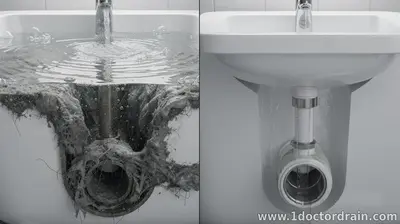
Drain cleaning solutions are materials and methods used to clear blockages and reduce buildup inside household plumbing. When water drains slowly or stops completely, the underlying cause—such as hair, grease, soap scum, food residue, or mineral deposits—often determines which approach works best.
In most homes, drain cleaning needs fall into two categories: routine prevention (to slow down buildup) and reactive clearing (to address an existing clog). Many products are marketed for specific surfaces and pipe types, so reading label instructions is essential for safe and effective use. Common types of drain cleaning solutions
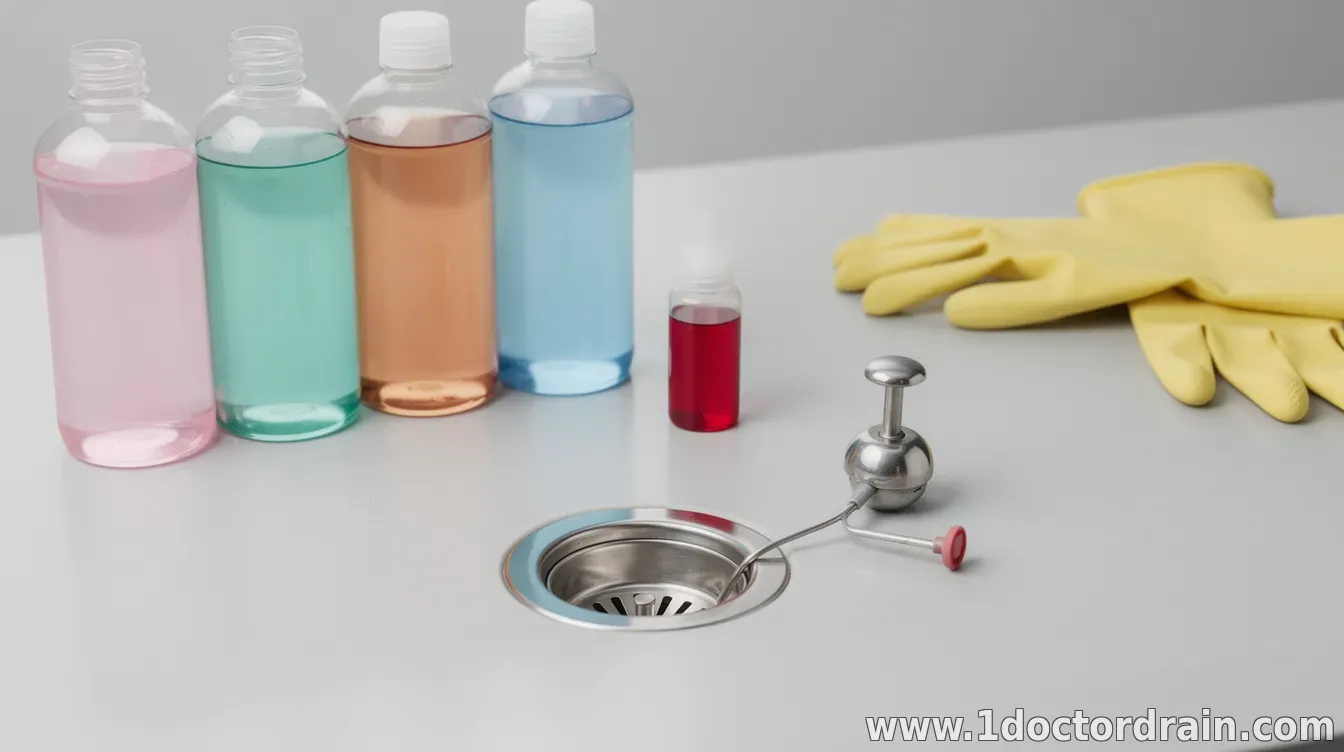
Chemical drain cleaners are formulated to dissolve common clog components. Depending on the product, they may target grease and organic matter, or break down certain types of buildup. These solutions can work quickly, but they require careful handling because they may be corrosive and can produce hazardous fumes if mixed with other chemicals.
Enzyme and bacterial drain cleaners use living or enzyme-based systems to digest organic material over time. These options are often chosen for maintenance, recurring slow drains, and households seeking lower chemical exposure. While they may act more slowly than harsh chemical products, they can be effective for routine buildup.
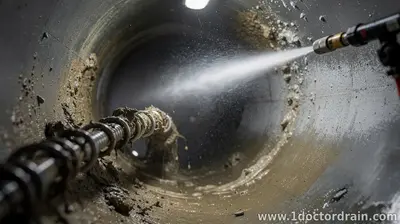
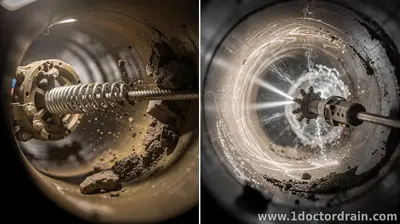
Mechanical methods are also considered drain cleaning solutions—using tools like plungers, drain snakes (augers), or hydro-jetting systems. Mechanical approaches can be safer for plumbing materials and may be preferable when the clog is physical (for example, a mass of hair or debris) or when you want to avoid chemical risks. How to choose the right solution
Start by identifying the likely cause of the clog. Grease-heavy kitchen clogs often respond better to products designed for fats and oils, while hair and soap scum buildup may require enzyme/biological products or mechanical removal. If multiple drains are affected, the issue could be farther down the line, which may warrant professional evaluation.
Pipe material matters too. Older plumbing, certain metals, and some older fixtures may be more vulnerable to aggressive chemicals. If the label specifies compatibility limits, follow them closely. Also consider ventilation and protective equipment when using any caustic cleaner. Safety and best practices
Never mix drain cleaning chemicals. Combining products can create dangerous reactions and fumes. If you’ve already used a chemical cleaner and the drain still isn’t flowing, wait for the manufacturer’s recommended time before attempting another method, or switch to mechanical approaches where appropriate.
Use the correct dosage and contact time. Overuse can increase damage risk to pipes, seals, and plumbing fixtures. For standing water, some users attempt to remove as much water as practical before applying a solution, but follow product instructions to avoid splashing or unsafe handling.
When signs point to a deeper plumbing problem—such as frequent backups, gurgling from multiple fixtures, foul odors that persist after cleaning, or repeated clogs—an inspection may be the most reliable next step. Professionals can determine whether the issue is in the trap, the branch line, or the main sewer line, and recommend a targeted remedy.
Drain cleaning solutions range from fast-acting chemicals to slower biological systems and mechanical tools. By matching the product type to the clog’s likely cause—and prioritizing safe use—you can clear many common blockages and reduce future buildup.
| |
|
| |
CALL ☎ Subscribe 👆
Next & Previous posts
Related materials:
CONTACT US 📩
Submit the form, we'll contact you as soon as possible!