
3:59 AM Clogged Kitchen Drain: How to Clear It Safely and Prevent Recurrence | |
|
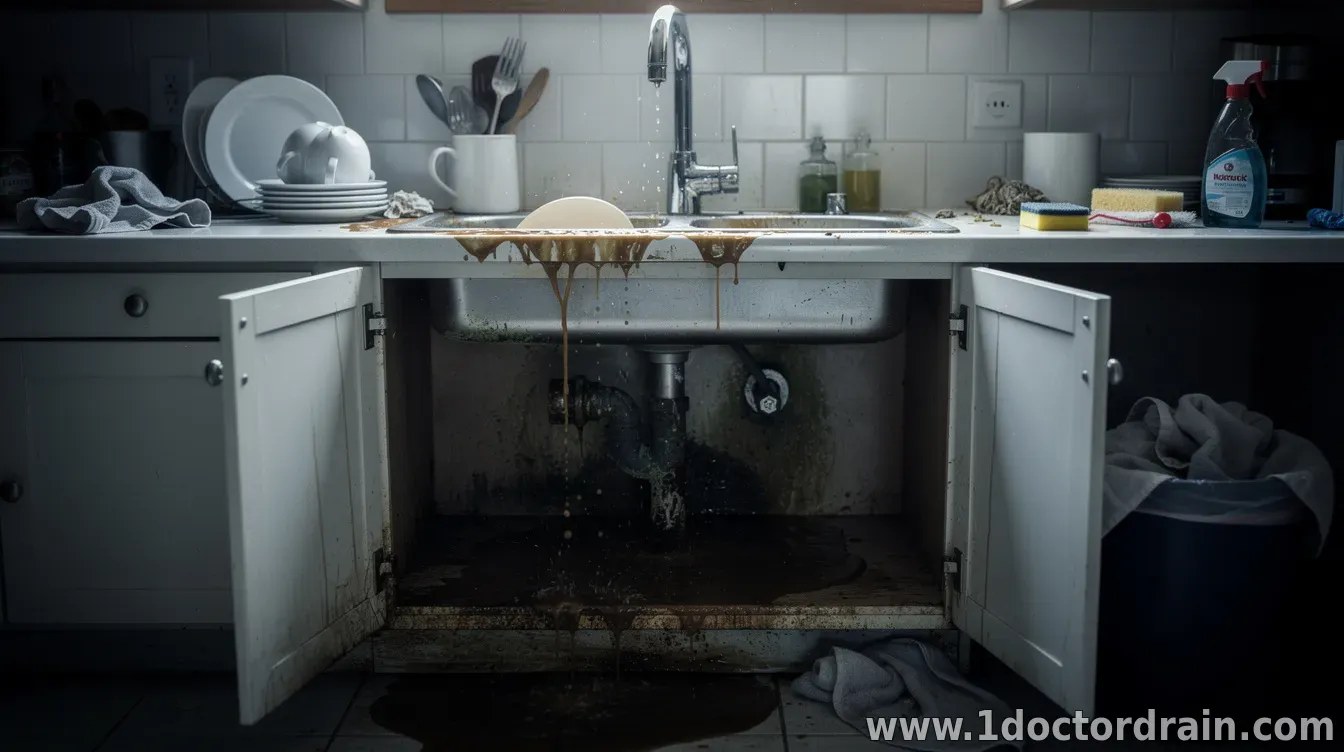
A clogged kitchen drain can become a household “domino problem” in a hurry—backup water slows dishwashing, unpleasant odors linger, and even small cooking messes can turn into recurring blockages. While the cause varies, the goal is the same for most homeowners: restore flow safely and prevent the drain from clogging again.
Kitchen clogs are often driven by everyday buildup rather than a single dramatic event. Grease from cooking, food scraps, soap residue, and hair can combine and harden over time, especially in drains that see frequent use.
Start with the basics before using tools. If water is backing up, avoid running the disposal continuously or pouring additional cleaning products. Begin by checking the sink strainer for visible debris and clearing it manually. If only one fixture (like one sink basin) is affected, the issue may be localized; if multiple fixtures are slow, the blockage could be further down the plumbing line.
Plunge carefully to break up the clog. Use a plunger designed for sinks and create a tight seal around the drain. Apply steady pressure and repeat a few cycles, checking whether water begins draining normally between attempts. This can dislodge partial blockages without introducing harsh chemicals into the system.
For deeper clogs, use mechanical clearing. If plunging doesn’t resolve the issue, a plumbing snake or drain auger can help reach the source of the blockage. Feed the tool gently, rotate as you advance, and withdraw it to remove the obstruction. Homeowners should stop if they feel resistance consistent with a possible pipe turn or blockage that requires professional assessment.
Skip mixing chemicals and choose safer options. Chemical drain cleaners can be effective in some situations, but they also carry risks—especially if they’re used repeatedly or combined with other products. If you do use a product, follow the label instructions exactly and avoid “stacking” cleaners. When you suspect grease buildup, mechanical removal and targeted cleaning often provide more reliable long-term results.
Prevent future clogs with small daily habits. A few routine changes can significantly reduce buildup. Many issues come from what goes down the drain—even when food appears minor at the time.
When to call a plumber. If the sink still backs up after reasonable attempts, unpleasant odors worsen quickly, water drains very slowly across multiple fixtures, or you notice recurring clogs in short intervals, a professional can diagnose whether the clog is deeper in the line or linked to underlying plumbing issues.
Restoring a kitchen drain isn’t just about convenience—it also helps protect plumbing from damage and prevents repeated disruption. With prompt action, careful clearing methods, and a few prevention habits, most clogs can be handled safely while reducing the chance of the problem returning.
| |
|
| |
CALL ☎ Subscribe 👆
Next & Previous posts
Related materials:


CONTACT US 📩
Submit the form, we'll contact you as soon as possible!