2:01 PM How to Thaw Frozen Pipes Safely in Winter | |
|
As winter temperatures plunge, frozen and burst pipes become a common emergency for homeowners and renters alike. If you suspect a pipe is blocked, acting carefully can help restore flow while lowering the risk of bursting, electrical hazards, or water damage.
Start by identifying where the problem is. Look for signs such as frost on the pipe, reduced water flow, strange knocking sounds, or a section of plumbing that feels significantly colder than surrounding areas. If you can locate the frozen section, you can focus your efforts instead of warming the entire wall or floor. 1) Turn off water to limit damage
Before thawing, consider shutting off the water supply if you see visible leaks or if the pipe is accessible behind a wall. If you’re unsure whether a burst has already occurred, shut off the main or the relevant shutoff valve, then open a faucet downstream to relieve pressure once flow begins. 2) Thaw slowly with safe heat sources
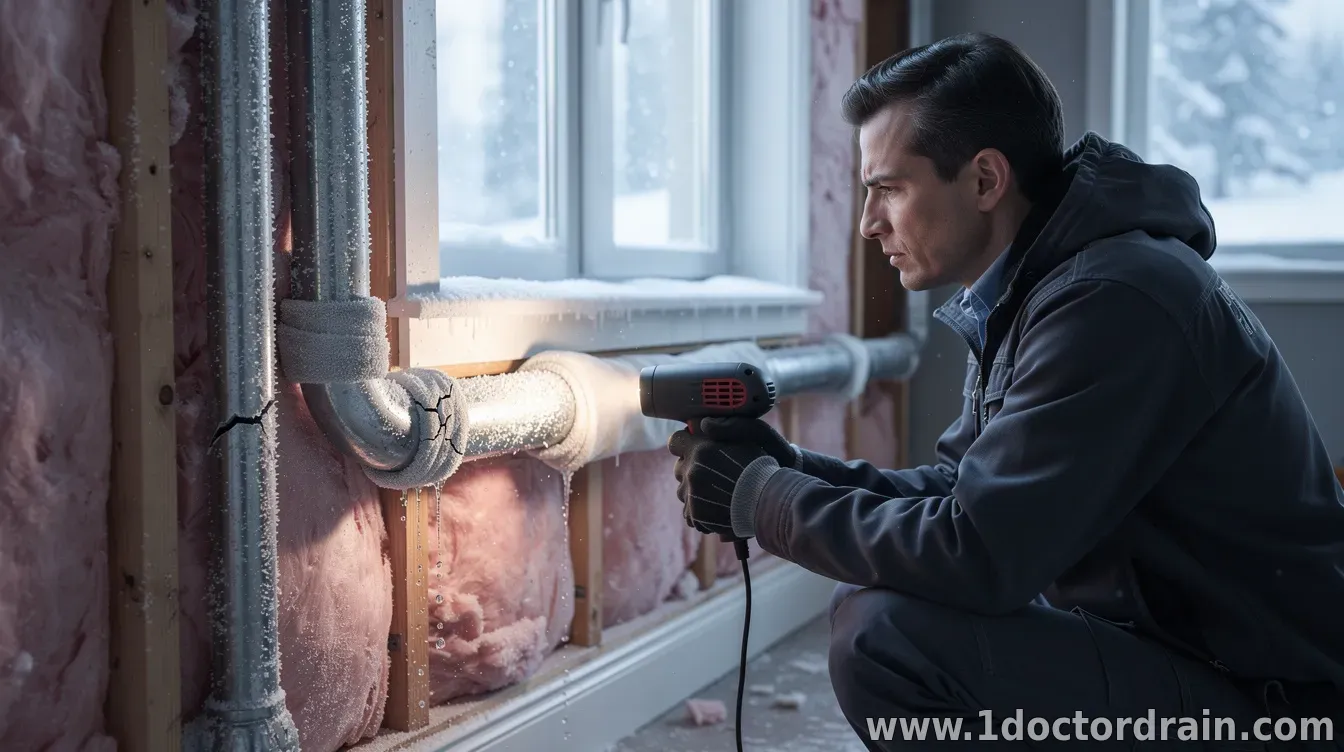
Use gentle, controlled heat on the frozen pipe segment. The safest options are typically warm air (like a space heater in the room), a hair dryer, or heating pads designed for plumbing. Work from the outer edges of the frozen area toward the center to encourage gradual melting and drainage.
Avoid direct high-heat flames or torches, and never use open heat sources on or near flammable materials. Also avoid using devices that are not intended for plumbing work, especially around insulation, drywall, or wet areas where heat and electricity can create hazards. 3) Keep electrical and water risks in mind
If you’re using an electrical appliance (such as a hair dryer or portable heater), keep the outlet and cords dry and away from standing water. Don’t place electrical equipment directly against wet pipe surfaces or inside cramped, damp spaces. If you see water pooling, stop and address the leak before continuing.
Never use a torch, propane heater, or other open flame near suspected frozen plastic pipes, because melting or scorching can worsen damage and cause leaks. For metal pipes, rapid or uneven heating can also increase stress on joints and connections. 4) Signs you’re succeeding—and when to stop
As the ice melts, you may hear hissing or observe water starting to drip or flow from a nearby faucet. Leave the faucet slightly open so meltwater can move through the system. Once water flows steadily, turn the faucet off and monitor for leaks around joints, fittings, and any areas where the pipe is exposed.
If the pipe doesn’t thaw within a reasonable time, don’t keep intensifying heat. The frozen section may be longer than you think, or you may have multiple blockages. At that point, it’s safer to stop and call a licensed plumber, especially if the pipe runs inside walls, ceilings, or inaccessible crawl spaces.
Finally, take steps to prevent recurrence. Insulate exposed pipes, seal gaps in exterior walls, and let faucets drip during extreme cold snaps when temperatures drop far below freezing. Know where your shutoff valve is and consider a water shutoff strategy for long absences.
During winter, thawing can be urgent—but safety matters just as much as speed. Thaw slowly, use appropriate heat sources, keep electrical risks in check, and watch for leaks so you can restore water without turning a freeze into a flood.
| |
|
| |
CALL ☎ Subscribe 👆
Next & Previous posts
Related materials:
CONTACT US 📩
Submit the form, we'll contact you as soon as possible!