2:36 AM Signs Your Drain Is Clogged—and When to Call a Plumber | |
|
A clogged drain often starts small—water drains slowly for a day or two, or a sink suddenly needs more time than usual. But certain symptoms can signal a deeper blockage or a problem inside your plumbing system that’s best handled by a professional plumber. Here are common signs your drain is clogged and what to watch for to avoid backups, water damage, or recurring plumbing emergencies. 1) Water drains slowly or stops completely
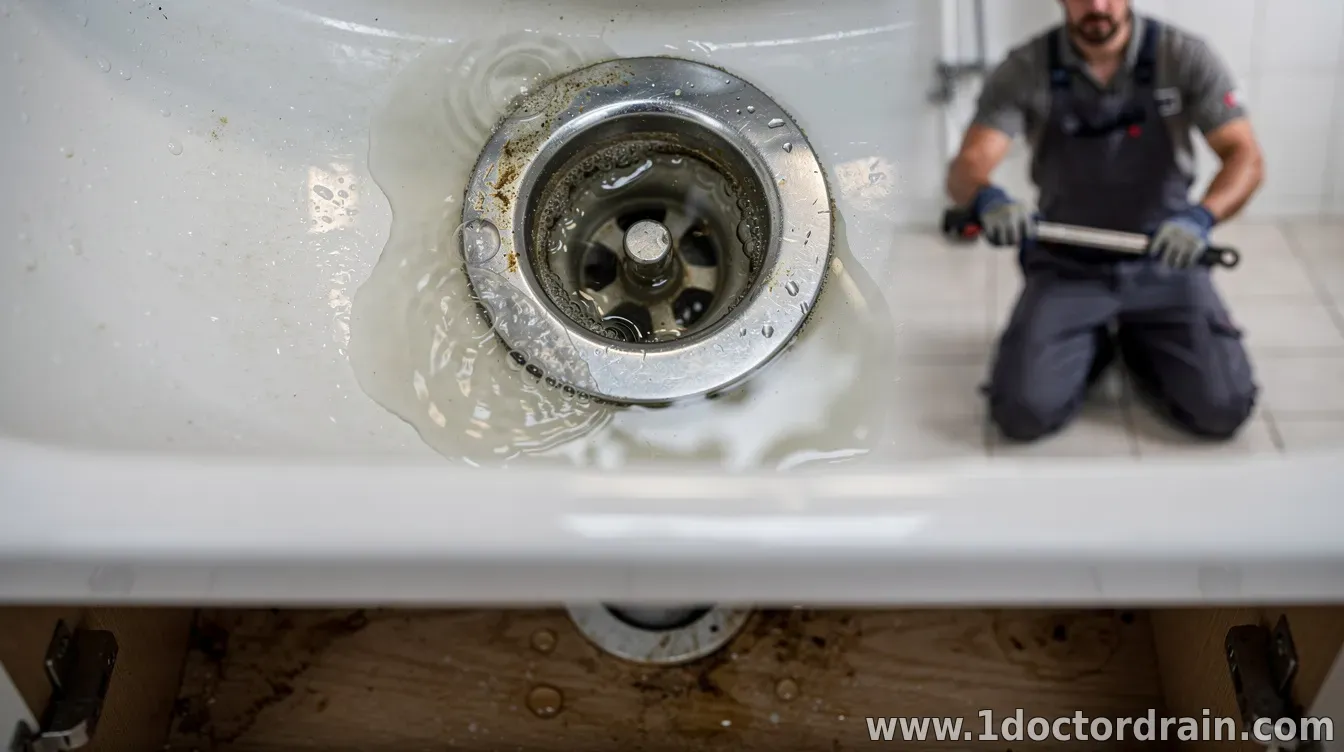
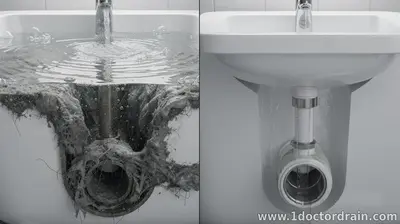
If your sink, tub, or shower takes significantly longer to empty—or the water pools instead of draining—it’s a clear sign of a partial or complete clog. Occasional slowdowns may be caused by hair or soap buildup, but consistently slow drainage suggests the blockage is growing or spreading through the pipe. 2) Gurgling sounds when you use plumbing
Gurgling, bubbling, or sucking noises—especially in toilets, tubs, or sinks—often occur when air can’t move through the plumbing normally due to a blockage. These sounds can indicate an obstruction that may worsen quickly, particularly if multiple fixtures are affected. 3) Bad odors coming from drains
Foul smells like rotten eggs, sewage, or persistent “stale” odors can be a warning sign that waste and water are not flowing correctly. Standing water in clogged sections of pipe can trap debris and create odor buildup. If the smell returns after cleaning, it’s time to investigate further. 4) Frequent clogs in the same drain—or multiple drains
Some clogs are one-off, but repeated blockages—especially in the same sink or toilet—or clogs that seem to appear across multiple fixtures can point to a larger problem in the plumbing line. A professional plumber can determine whether the issue is localized or downstream where access is harder.
Pay attention to which areas are affected. For example, if your kitchen sink and dishwasher both drain poorly, the cause may be connected to the same section of plumbing. If showers, tubs, and toilets all act up at once, the clog could be in the main line or a shared drain path. When to call a professional plumber
It’s smart to contact a plumber if the clog is recurring, several fixtures are backing up, you notice water pooling near drains, or you’ve already tried basic methods (like plunging or using a drain strainer) without lasting improvement. Professionals use specialized tools—such as augers, inspection cameras, and targeted cleaning—to remove the blockage and identify the underlying cause.
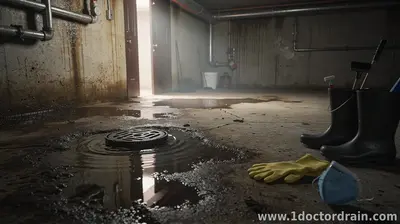
Calling early can also help prevent damage. Persistent clogs can lead to overflow, pipe corrosion, or leaks, and they may even impact the sewer connection. If you suspect a blockage is in a main line or you see signs of backed-up sewage, it’s best to leave troubleshooting to the experts. How to reduce future drain clogs
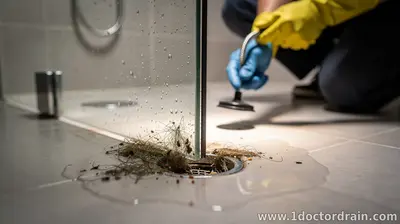
While some clogs are unavoidable, simple habits can lower the risk: use strainers to catch hair and food, avoid flushing non-degradable items, and run hot water after heavy use when appropriate. For bathroom drains, regular cleaning of strainers can prevent slow drainage from returning.
If warning signs keep coming back, a professional inspection can confirm whether there’s buildup inside the pipes or another issue that needs treatment.
| |
|
| |
CALL ☎ Subscribe 👆
Next & Previous posts
Related materials:
CONTACT US 📩
Submit the form, we'll contact you as soon as possible!