
1:42 AM Yard Drainage Problems: How a French Drain Can Help | |
|
Yard drainage problems are more than an eyesore. Puddles after rain, persistently damp grass, soft spots that “squish” underfoot, and soil that erodes along slopes can all signal that water isn’t moving away from your property as it should.
One common solution is a French drain—a buried trench system designed to collect and channel excess groundwater. While it’s often associated with landscaping, the underlying goal is practical: manage water flow so your yard stays usable and your plants (and nearby structures) aren’t constantly stressed by saturation. What a French drain does
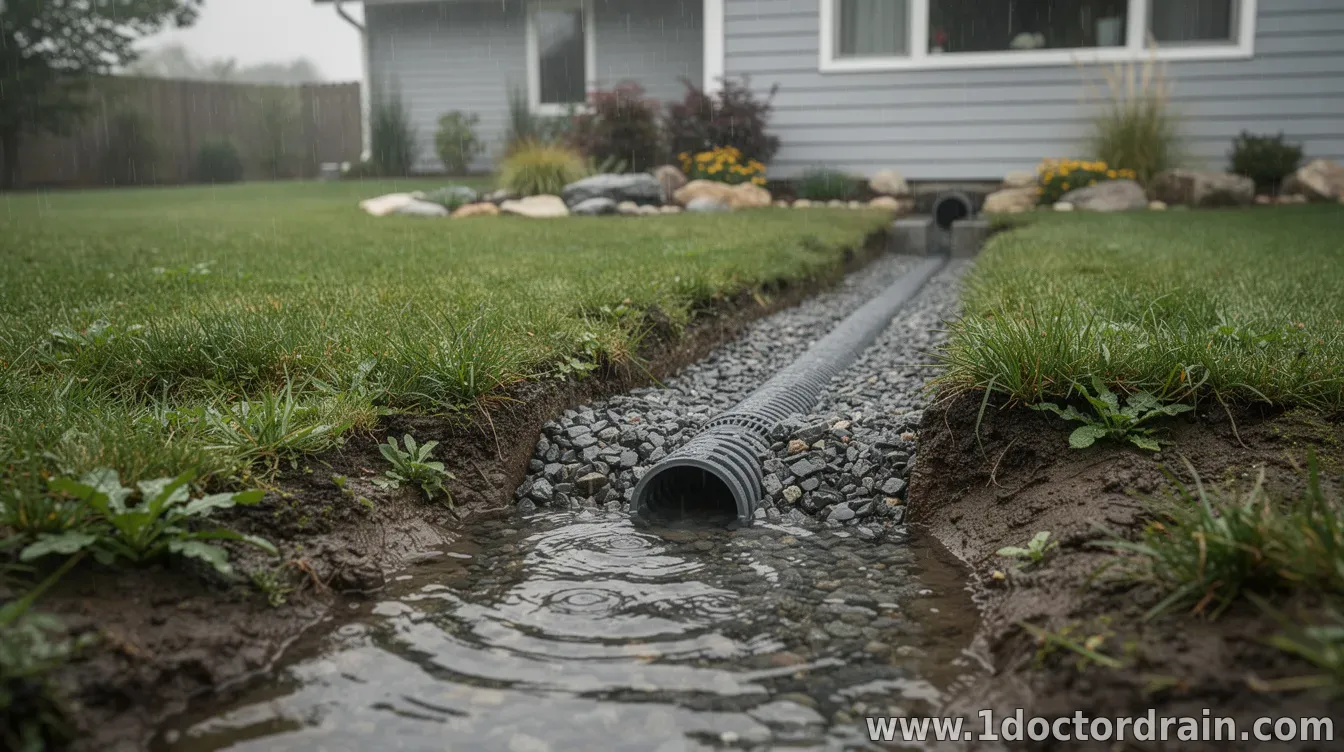
A French drain typically consists of a trench filled with clean gravel (or aggregate) that wraps around a perforated pipe. Water seeps into the gravel, flows through the voids, and is guided along the pipe to an outlet such as a storm drain, dry well, or suitable discharge area.
Because it moves water away from problem zones, a French drain can help reduce standing water, limit muddy ground, and slow erosion where runoff concentrates. Common yard situations where it helps
French drains are most useful when you have a consistent water issue tied to how land and groundwater behave. Homeowners often consider them for:
Planning matters as much as the trench
Before digging, it helps to identify where the water is coming from and where you can send it. Water that enters from uphill runoff, leaking downspouts, or groundwater can require different adjustments than water that simply pools due to grading.
Effective French drain planning generally includes mapping the flow path, considering slope, and ensuring the discharge destination can handle additional water. If you’re near property lines, utilities, or municipal stormwater systems, check local rules or seek professional guidance. Core design considerations
While exact dimensions vary by site, French drain performance depends on several fundamentals:
In many cases, a small “catch” area at the upstream end—such as near a downspout discharge point or the top of a pooling zone—can improve results. DIY vs. professional installation
A French drain is straightforward in concept, but it’s easy to lose effectiveness through minor mistakes like insufficient slope, poor outlet planning, or inadequate separation between soil and gravel. For shallow, localized pooling, many homeowners can handle the work with proper tools and planning.
However, professional help may be worth it when drainage issues are near foundations, involve significant grading, require permits, or you suspect groundwater seepage rather than just surface water. A pro can also help confirm that you’re addressing the root cause—especially if the yard problem is tied to gutters, grading, or underground utilities. Maintenance and what to expect
Once installed, a French drain can provide long-lasting relief, but like any drainage system, it can be affected by sediment and debris. Periodic inspection of the outlet area, keeping nearby soil from washing into the trench, and addressing new runoff sources (like blocked downspouts) can help maintain performance.
After installation, it’s normal for sites to take time to stabilize. Over subsequent rain events, you should see improved drying in the targeted zone and fewer puddles, especially after heavy storms.
When yard water problems persist, the solution usually isn’t just “more grass” or “more topsoil.” By channeling excess water away from saturated areas, a French drain can restore usability to your yard and reduce the ongoing cycle of soggy ground and erosion.
| |
|
| |
CALL ☎ Subscribe 👆
Next & Previous posts
CONTACT US 📩
Submit the form, we'll contact you as soon as possible!