1:07 AM How to Read a Drain Service Quote: What Every Line Means | |
|
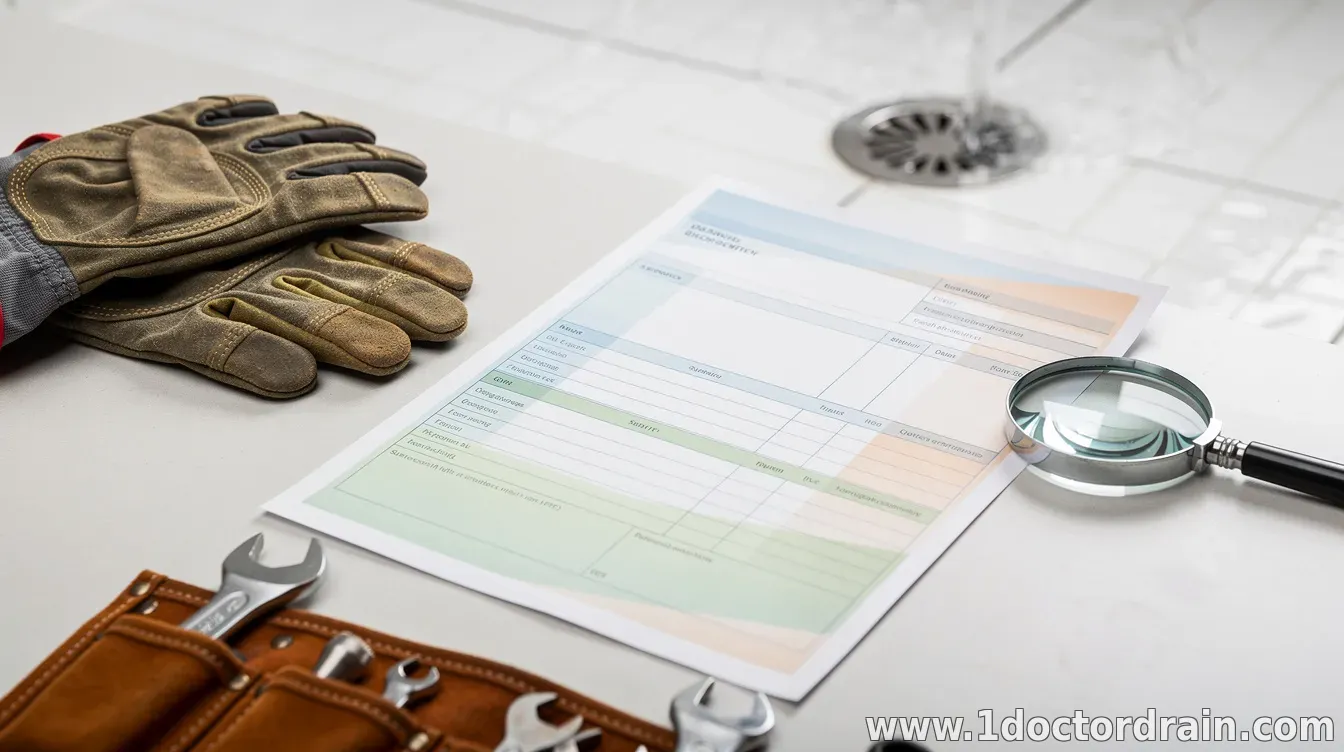
Whether you’re dealing with a slow drain, a recurring clog, or a complete blockage, a drain service quote is your roadmap for cost, scope of work, and expected outcomes. The challenge is that quotes often include technical terms, assumptions, and line items that aren’t obvious to homeowners. Understanding what each line means can help you validate the service being offered and compare quotes fairly. 1) Job details and site information
Most quotes start with basics: address, date, contact details, and a description of the problem (e.g., “kitchen sink not draining”). If the quote notes “access limitations,” “interior/exterior restrictions,” or “unknown cause pending inspection,” it’s signaling that pricing may change after the technician confirms what’s actually happening inside the plumbing system.
Look for whether the quote is based on a specific location (main line vs. a branch line) and whether it includes the appropriate fixtures and cleanouts. Misidentified scope is a common reason homeowners feel they were quoted incorrectly. 2) Service call, dispatch, or diagnostic fees
Common early lines include a “service call,” “trip charge,” or “diagnostic/inspection fee.” This often covers the technician’s time to arrive, assess the issue, and determine next steps. In many markets, this fee is either separate from or partially credited toward the repair if you approve additional work.
If a quote lists diagnostic work as optional, ask whether the diagnosis is included in the final price or billed only if you proceed with repairs. 3) Inspection methods (camera, hydro-jet assessment, pressure tests)
You may see lines for drain camera inspection, locating the blockage, or testing. Camera inspection is typically used when the cause isn’t clear, when the issue is recurring, or when the problem might involve collapsed or offset piping. These lines may also note whether footage will be provided.
If the quote references “no guarantee of cause until inspection,” that’s not a red flag—it’s an expectation-setting statement. But you should know what decision point you’ll face after the inspection. 4) Labor charges and time assumptions
Look for “labor,” “hourly rate,” or “labor time estimate (e.g., 1–2 hours).” Some quotes price labor as a flat amount tied to a scope, while others bill by the hour. If the quote includes ranges, confirm what triggers additional hours: rework, additional runs of cable, access difficulties, or findings during inspection.
Also check whether labor includes setup and cleanup. Quotes that don’t explicitly mention cleanup can still require it, but it’s better if it’s included in writing. 5) Equipment and technique line items (snaking, auger, hydro-jetting)
Drain quotes often list the cleaning method separately from labor. Terms you might see include:
If the quote lists multiple methods, confirm whether they’re bundled (one method chosen) or whether you’d be charged for each sequential approach. 6) Parts, materials, and replace-vs-repair assumptions
Some quotes include “materials,” “parts,” or “consumables.” These could include replacement components (such as a section of pipe, fittings, or cleanout parts) or small items used during the job. If the technician expects to replace something but can’t confirm without opening up the wall or accessing the line, the quote may list “allowance” language.
An “allowance” is not a final price. It’s an estimate set aside for materials or contingency work, often adjusted after inspection or during installation. 7) Access, disposal, and cleanup fees
Drain work can generate debris, sludge, and waste. Look for lines such as disposal, haul-away, cartridge bags, or cleanup. These fees are especially important for hydro-jetting, root removal, and jobs where the technician extracts significant material.
If disposal is not listed, consider asking whether it’s included in labor or whether it would be billed separately after the job begins. 8) After-hours, emergency, and return trip charges
Quotes may include premiums for after-hours service, weekends, or emergency response. You might also see “return visit” fees if additional follow-up is required. These can be legitimate, but they should be clearly tied to conditions.
If the quote assumes an emergency rate, confirm the hours and whether the work can be scheduled during standard hours at a lower cost. 9) Scope boundaries and what’s excluded
One of the most important parts of a quote is the section that defines exclusions or “not included” items. For example, some companies exclude drywall repair, landscaping restoration, electrical work, or locating services beyond a certain distance. Others exclude warranty coverage for recurring clogs if the cause isn’t confirmed.
Read exclusions carefully. A quote can be perfectly accurate for drain cleaning and still not cover repairs related to damage discovered after cleaning. 10) Pricing structure: flat rate vs. “up to” and change orders
Different quotes price different ways. A flat-rate quote usually includes defined tasks and often has fewer surprises. “Up to” pricing or hourly billing with time estimates can be more flexible, but it also means final cost depends on what’s found.
If the quote includes “additional charges may apply,” make sure it describes the types of findings that trigger change orders—collapsed pipe, deeper-than-expected clogs, multiple affected sections, or recurring root intrusion. 11) Warranty, guarantees, and service terms
Many drain services offer a form of warranty or guarantee—often tied to the workmanship for a set period, or sometimes contingent on using preventative measures. A quote may also state what happens if the issue returns quickly.
Before approving work, ask what the warranty covers, what it doesn’t, and whether the company expects a follow-up inspection before recharging. 12) Taxes and payment terms
Check whether the quote includes taxes, the total before/after tax, and accepted payment methods. Some quotes have deposit requirements or require payment upon completion of certain phases.
Clear payment terms reduce friction—especially for jobs that might expand beyond the initial scope.
To compare quotes, don’t just compare the bottom-line number. Instead, line up the same categories: diagnostics, inspection, labor time assumptions, technique used, disposal, and exclusions. If two quotes differ mainly in diagnostic approach or cleanup/disposal assumptions, the totals may not be truly comparable.
If you want, paste the text (or a screenshot with sensitive details removed) of your drain service quote, and I can translate each line into plain language and flag the items that are most likely to affect final cost.
| |
|
| |
CALL ☎ Subscribe 👆
Next & Previous posts
Related materials:

CONTACT US 📩
Submit the form, we'll contact you as soon as possible!