1:41 AM When Is Video Inspection Worth the Cost? | |
|
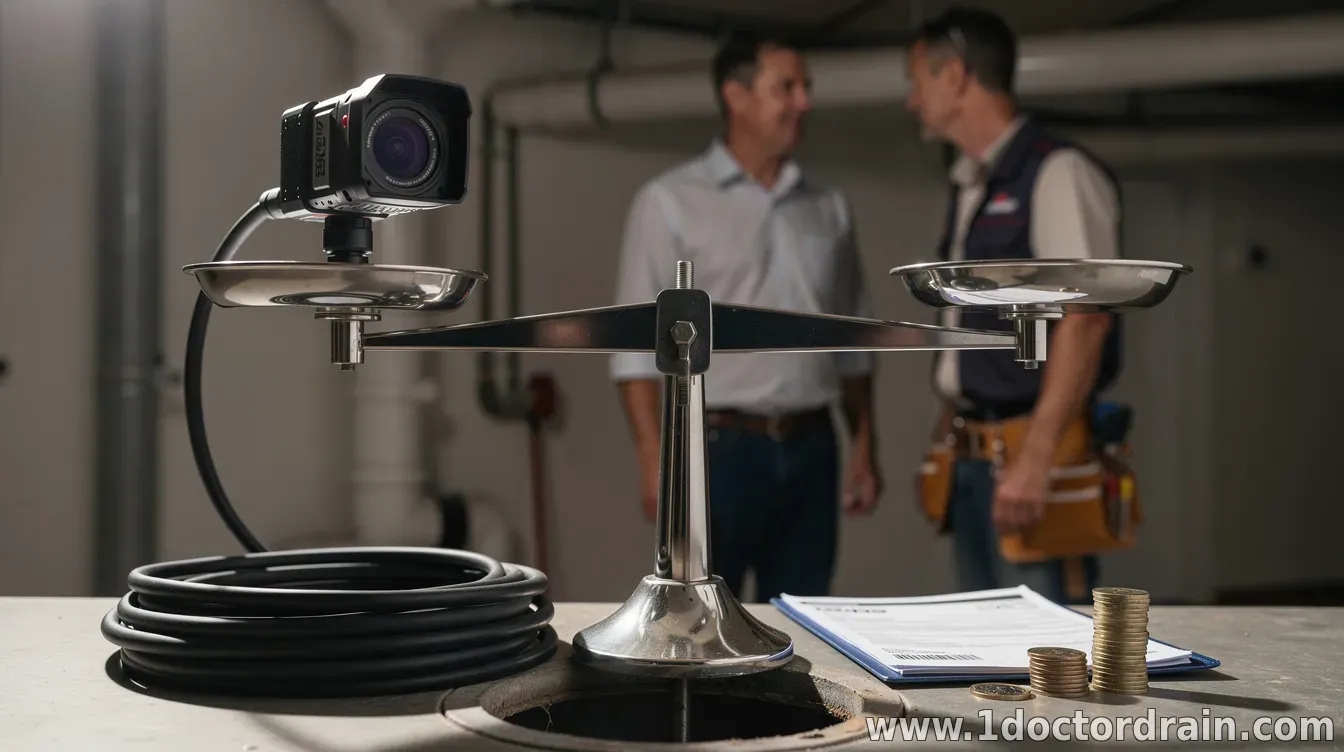
Video inspection is one of the few diagnostic tools that lets homeowners and building managers actually see what’s happening inside a sewer, storm drain, or plumbing line. But because it costs more than basic checks, the real question is: when does the footage change the decision enough to justify the price?
In practice, video inspection is most cost-effective when the issue is unclear, recurring, or expensive to guess. When you can’t reliably locate the obstruction, detect the type of damage, or predict whether a simple cleaning will fix the problem, the “cost of uncertainty” often becomes higher than the inspection itself. Start with the scenarios where inspection usually pays off
Video inspection tends to be worth it when technicians need to determine the cause of blockages, leaks, or odor complaints—especially after basic troubleshooting. For example, if plunging, snaking, or surface-level repairs haven’t solved the issue, the camera can reveal whether you’re dealing with roots, grease buildup, collapsed sections, displaced joints, or corrosion.
It’s also a strong value move for recurring drain problems. If the same sink or toilet backups happen repeatedly, an inspection can identify the pattern (for instance, recurring root intrusion near a joint) and help target a durable repair rather than repeating short-term fixes. Use video footage to avoid guessing on repair scope
The cost difference between “small repair” and “major replacement” can be enormous. Video inspection helps clarify what you’re dealing with so you don’t pay for work that either won’t solve the issue or won’t be sufficient. Clear footage can show how severe the damage is, where it occurs, and whether a localized remedy is feasible.
For property owners and landlords, documentation matters too. Video reports can support insurance claims, help coordinate repairs with contractors, and provide evidence if there’s a dispute about responsibility or prior maintenance. When you might skip it (or delay)
Video inspection may be unnecessary if the problem is already fully explained and easily resolved. If a line was recently installed, the blockage is minor and consistent with everyday use, or the system shows signs that point to a straightforward cause, you may get the needed result from cleaning or a standard locating service first.
It can also be reasonable to begin with less expensive diagnostics when the stakes are low—such as a single, one-time clog—because immediate camera work would be overkill. However, if the issue returns or worsens, that’s typically the moment to reconsider. Get the best value from the inspection
To make video inspection worth the cost, focus on getting actionable outcomes. Ask the technician what they expect to find, ensure the report includes location details and a clear condition summary, and confirm whether the camera run will document the full length relevant to your problem.
If repair is needed, treat the footage as the basis for scope and pricing. A good inspection should help you compare options—such as targeted root cutting, spot repairs, lining, or replacement—using evidence rather than assumptions.
Video inspection is worth the cost when it reduces uncertainty, prevents repeated “band-aid” fixes, and helps you choose the right repair the first time. When the blockage or damage source is unclear—or when the repair could be costly—camera-based diagnostics often pay for themselves by turning guesswork into a documented plan.
| |
|
| |
CALL ☎ Subscribe 👆
Next & Previous posts
Related materials:
CONTACT US 📩
Submit the form, we'll contact you as soon as possible!