0:56 AM Sewage Ejector Pump vs. Sump Pump: Key Differences | |
|
A sewage ejector pump and a sump pump may look similar at a glance, but they serve different roles in a home’s drainage system. Choosing the wrong type can lead to poor performance, premature wear, or repeated backups—especially when waste, solids, or unusual load conditions are involved.
Below is a practical breakdown of how each pump works, what they’re built to handle, and the situations where homeowners most commonly need one versus the other. What a sump pump is for
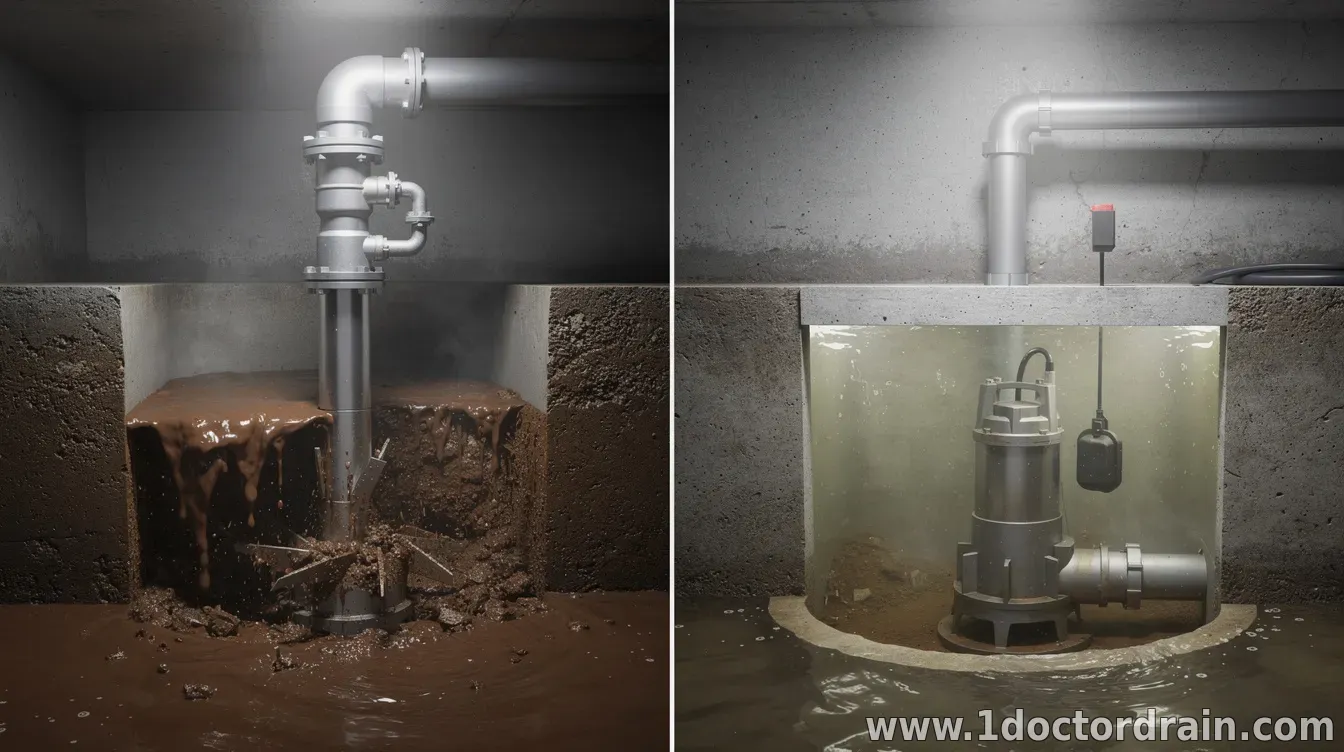
A sump pump is typically used to remove groundwater that collects in a basement or crawl space—often from a sump pit. Its job is to prevent flooding by intercepting water from the soil, then discharging it away from the foundation.
Because sump pumps are mainly handling relatively clean water (though it may include small amounts of debris), they are generally selected based on expected water levels and duty cycle rather than heavy solids. What a sewage ejector pump is for
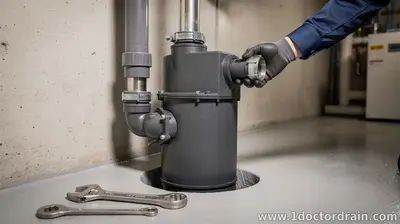
A sewage ejector pump is designed for wastewater drainage systems that may include sewage and/or household waste. These systems often discharge from bathrooms, laundry drains, or other fixtures that can’t drain by gravity to the main sewer line.
In many homes, a sewage ejector system collects wastewater in a pit or tank and then pumps it upward or across distances to reach the sewer or septic system. Because it may contain solids, it’s engineered to tolerate conditions that would quickly damage a pump meant only for clear or lightly contaminated water. Solids handling and materials
One of the biggest differences is what each pump can safely pass. Sewage ejector pumps are built to move raw wastewater and solids more reliably—often using specific impeller designs and corrosion-resistant components suitable for harsh fluids.
Sump pumps, while they can handle some small debris depending on the model, aren’t intended for the same level of solids and waste. If a sump pump is used where sewage ejector service is required, the risk of clogging and mechanical stress rises significantly. Discharge setup: lifting and routing
Sewage ejector pumps are commonly associated with “lifting” wastewater—moving it upward to a sewer line or to a higher discharge point. Their installation often includes check valves and carefully routed discharge piping to prevent backflow and leaks.
Sump pumps also discharge through piping, but the goal is usually to carry collected groundwater away from the home’s foundation. The required head height (how high the pump must push water) can vary, yet the system design typically targets water removal rather than waste transport. Where you’ll see each one in real homes
Homeowners most often encounter sump pumps in basements or crawl spaces with water intrusion, seepage, or seasonal flooding. They may also appear as part of perimeter drain systems connected to a sump pit.
Sewage ejector pumps are more common where below-grade fixtures exist—like a basement bathroom, a sink tied to a grinder-equipped unit, or a laundry area that needs forced discharge to reach the main sewer connection.
When in doubt, it helps to look at the plumbing’s purpose: if the system is receiving wastewater from toilets or other waste-producing fixtures, a sewage ejector pump (or an approved sewage-rated system) is typically the correct direction. How to choose safely
Selecting the right pump isn’t just about capacity—it’s about matching the pump rating to the fluid type and application. Before replacing or installing equipment, confirm whether the system is intended for clear water, wastewater, or sewage, and check manufacturer guidance for solids handling and discharge conditions.
Local code requirements and proper venting, electrical protection, and alarm/backup features can also matter. If your current system fails repeatedly, smells abnormal, or backs up during wet weather, it may be a sign that the pump type—or the overall design—doesn’t fit the job.
For homeowners, the practical takeaway is straightforward: use a sump pump for groundwater collection and a sewage ejector pump for wastewater/sewage applications requiring forced discharge. Correct matching improves reliability and reduces the likelihood of costly backups.
| |
|
| |
CALL ☎ Subscribe 👆
Next & Previous posts
Related materials:
CONTACT US 📩
Submit the form, we'll contact you as soon as possible!