11:38 AM Bathroom Sink Clogs Explained: Toothpaste, Hair, Soap | |
|
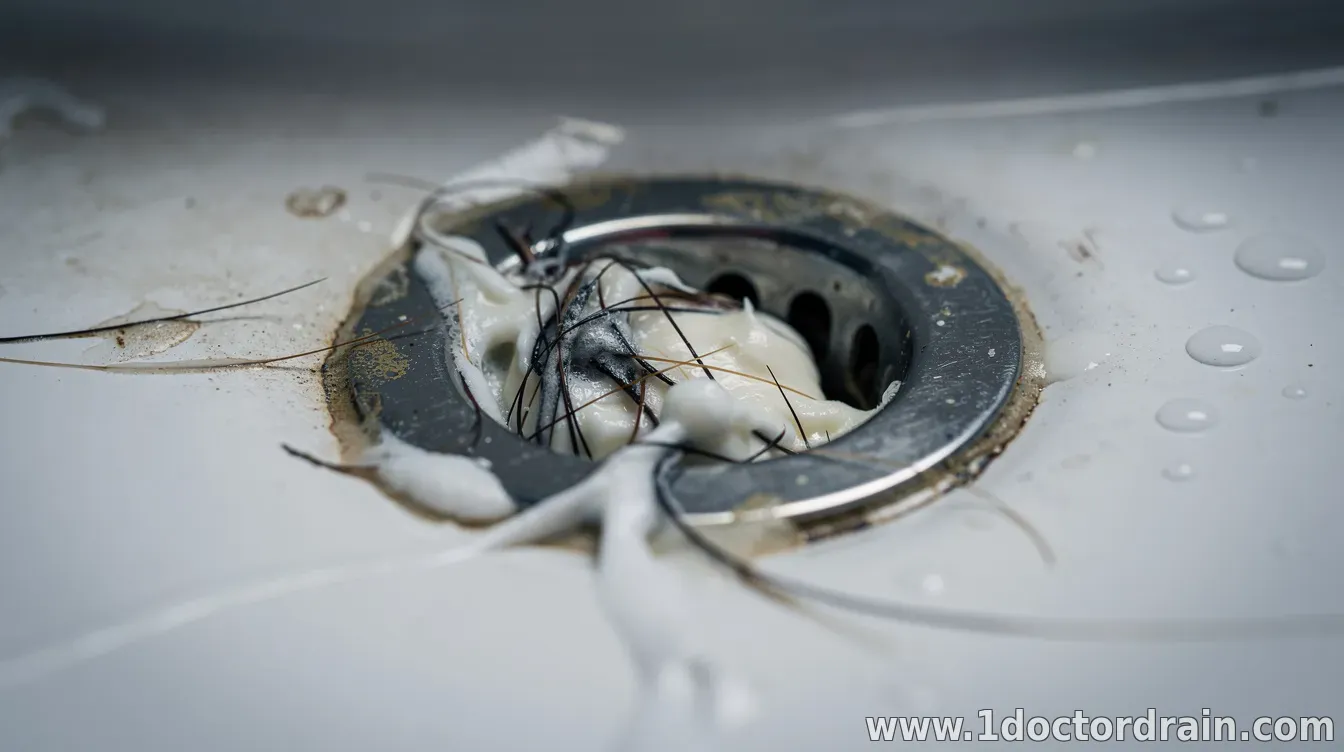
Bathroom sink clogs are rarely caused by one single “blocker.” More often, they’re the result of everyday buildup that combines into a stubborn plug inside the drain and pipe bends. As water flow slows, the mixture of hair, soap residue, toothpaste components, and other debris thickens—until it traps even more material.
Understanding what’s forming the clog can help you choose the right fix and avoid making the problem worse with harsher or mismatched methods. How toothpaste contributes to drain buildup
Toothpaste is designed to be thick and stable, which is part of why it can be problematic when it escapes the sink. Many formulas contain ingredients that don’t fully rinse away, and they can mix with other gunk to create a sticky layer along the pipe walls—especially when rinsed with warm water and allowed to sit. Why hair is the backbone of most clogs
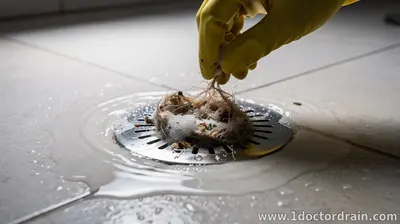
Hair is often the main structural component of bathroom sink blockages. Even small amounts can tangle and form a mesh, catching soap scum and other residue. Over time, that mesh traps more hair and debris, gradually reducing the drain opening and restricting flow. Soap scum: the glue that makes clogs stick
Soap scum forms when soap or shampoo blends with minerals in water. In bathroom sinks, it can create a slick-to-gritty film that accumulates where water slows down—commonly near bends and the narrow sections leading to the P-trap. That film doesn’t just sit there; it helps bind hair and toothpaste residue into a thicker, harder-to-remove mass. Where the clog usually forms
Most clogs build up in predictable areas: the drain opening, the pipe bend just below the sink, and the P-trap. These locations encourage settling and tangling because gravity and water flow patterns pull debris into corners and curved sections.
Signs you’re dealing with buildup include slow draining, gurgling sounds, water pooling, and odors that linger even after the water runs. Practical ways to clear buildup safely
Start with the least invasive options. If the clog appears near the drain opening, a physical removal (like extracting visible hair or debris) can be enough. For buildup deeper in the line, many homeowners find that a combination of hot water flushing and careful mechanical clearing works better than relying on one method.
If you do need chemical assistance, choose products designed for your specific drain type and use them according to label instructions. When clogs recur quickly, it’s usually a sign that the underlying buildup is still forming in the same spots—meaning prevention and routine cleaning matter as much as clearing the blockage.
To prevent future clogs, use a drain strainer to catch hair, wipe sink surfaces to reduce toothpaste residue reaching the drain, and periodically flush the drain with hot water. These small habits limit what can combine into a sticky, tangled plug, helping your bathroom sink stay clear long after the clog is gone.
| |
|
| |
CALL ☎ Subscribe 👆
Next & Previous posts
Related materials:
CONTACT US 📩
Submit the form, we'll contact you as soon as possible!