1:10 AM Sewer Backups After Heavy Rain: Causes and Prevention | |
|
Heavy rain can turn a normally reliable sewer system into a bottleneck. When pipes can’t move water fast enough, pressure builds and wastewater may flow backward into homes through sinks, tubs, floor drains, and toilets—often leaving residents dealing with cleanup costs and health concerns.
While sewer backups can be disruptive, many incidents are preventable with a mix of household readiness and neighborhood-level infrastructure awareness. Why sewer backups happen after storms
The most common trigger is rainfall that exceeds the capacity of local collection and treatment systems. Stormwater can enter sewer pipes directly during storms, or it can infiltrate them through cracks, aging joints, and manholes—especially where lines are old or poorly sealed.
Another factor is flooding. If nearby streets or low-lying areas become inundated, water can move into sewer openings and reverse flow. In some locations, combined sewer systems (designed to carry both wastewater and stormwater) can also overflow during heavy rain, sending excess flow into drains or nearby channels. Key warning signs before water rises
Residents often notice early indicators during prolonged or intense downpours. Slow-draining fixtures, gurgling sounds from drains, foul odors that suddenly intensify, and water backing up from floor drains are common precursors.
Homes with known sewer line issues—such as recurring slow drainage, prior backups, or visible settling near lateral connections—may be more vulnerable. Basement and ground-level plumbing generally faces the highest risk because gravity-driven flow can be disrupted when sewer lines surcharge. Prevention steps for homeowners
Prevention starts with reducing what can enter drains and improving how your home manages backup risk. Residents should avoid flushing or pouring items that can clog pipes, including grease, wipes, and disposable “flushable” products. During storms, consider minimizing water use where possible—running fewer loads of laundry and postponing baths can reduce demand on strained lines.
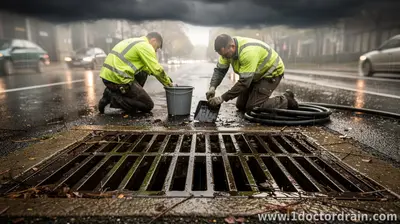
Many municipalities also advise residents to keep storm drains clear of debris so surface water doesn’t feed problems at sewer interfaces. If your property frequently experiences backups, a plumber or local utility can assess the lateral line (the connection from your home to the main) for defects or infiltration pathways.
What to do if a backup occurs
If sewage backs up, avoid contact with contaminated water and keep children and pets away from affected areas. Turn off electrical power to any areas that may be wet, and ventilate if safe to do so. Because backup waters can carry pathogens, cleanup should prioritize proper protective equipment and disinfecting practices.
After immediate safety steps, document damage for insurance and contact your local sewer authority or emergency service line if the issue appears to be systemic. Utilities may dispatch crews to clear blockages, inspect manholes, or evaluate whether stormwater controls need reinforcement.
With heavy rain becoming more common in many regions, proactive planning—both at the household level and through infrastructure improvements—can reduce the likelihood and severity of sewer backups and help communities recover faster when storms hit.
| |
|
| |

CALL ☎ Subscribe 👆
Next & Previous posts
Related materials:


CONTACT US 📩
Submit the form, we'll contact you as soon as possible!