6:49 AM Power Rodding vs. Hydro Jetting: Which One Do You Need? | |
|
Blocked drains are one of those household issues that can quickly escalate—from slow drainage to unpleasant odors, backups, and potential damage. When it comes to clearing lines, two common options are power rodding and hydro jetting. While both can restore flow, they’re not interchangeable for every situation.
In general, power rodding is best for cutting through or dislodging many types of obstructions, while hydro jetting is designed to blast away buildup more comprehensively. Choosing correctly can mean faster results, fewer repeat visits, and better long-term outcomes. How power rodding works
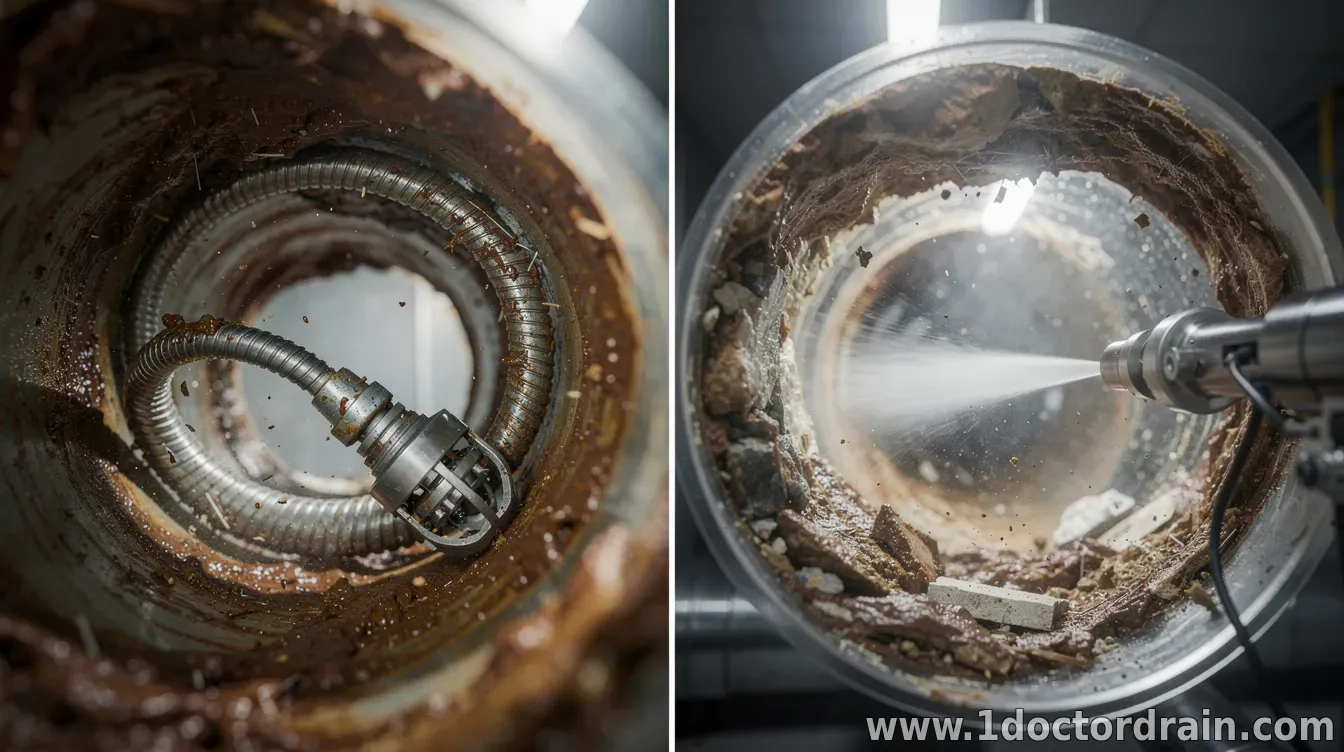
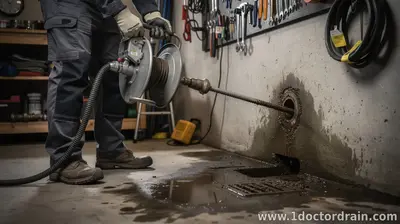
Power rodding uses a rotating cable (or rod) that’s fed into the drain. As it spins, it can break up certain blockages and push the obstruction back toward a clearing point. Many systems use attachments tailored to different debris types, such as compacted hair, grease, or small intrusions.
Because it’s mechanical and targeted, power rodding is often selected when the blockage is nearer to the surface, when access is straightforward, or when there’s a need for controlled “cut-and-clear” action. How hydro jetting works
Hydro jetting uses high-pressure water jets directed through the pipe. The force helps scour and remove buildup along the pipe walls, including grease film, mineral deposits, sludge-like residue, and some persistent clogs that can reform.
Hydro jetting is frequently recommended when the goal is not just to remove a current blockage, but also to clean the interior more thoroughly. It can be especially useful for longer runs or recurring slow drains where partial buildup is likely. Key differences that affect your decision
Power rodding and hydro jetting differ in impact, coverage, and typical best-fit scenarios. Here are the practical factors many plumbers consider:
When to choose power rodding
Power rodding may be the better first step when the problem looks like a discrete obstruction that needs to be physically dislodged—such as clogs involving debris that can be cut, snagged, or pushed out. It’s also commonly used when you need a practical solution for accessible drains or when a detailed pipe-cleaning campaign isn’t the primary goal.
That said, power rodding may not fully remove layer-like buildup along the pipe walls, which means some blockages can recur if the underlying condition is residue and scale rather than a single removable obstruction. When to choose hydro jetting
Hydro jetting is often chosen for recurring slow drains, grease-heavy lines, and situations where there’s evidence of buildup in multiple sections. If a blockage is part of a broader sanitation or maintenance problem—rather than a one-time obstruction—hydro jetting’s ability to scour the interior can reduce the chance of repeat clogs.
Many service providers also pair hydro jetting with inspection to confirm the location and cause of the issue, helping ensure the pressure and approach match the pipe condition. What to ask before work begins
To avoid unnecessary expense or repeat visits, it helps to ask a few straightforward questions:
Ultimately, the “best” choice depends on the nature of the clog and the condition of your pipes. Power rodding can be a strong option for many obstructions, while hydro jetting often provides deeper cleaning when buildup is the bigger issue. A qualified assessment—often with inspection—helps ensure the service clears the blockage and addresses the cause.
If you’re deciding between the two, the safest strategy is to confirm what’s blocking the line first, then choose the tool designed for that exact problem.
| |
|
| |
CALL ☎ Subscribe 👆
Next & Previous posts
Related materials:
CONTACT US 📩
Submit the form, we'll contact you as soon as possible!