2:26 AM Drain Smell That Won’t Go Away: Causes and Fixes | |
|
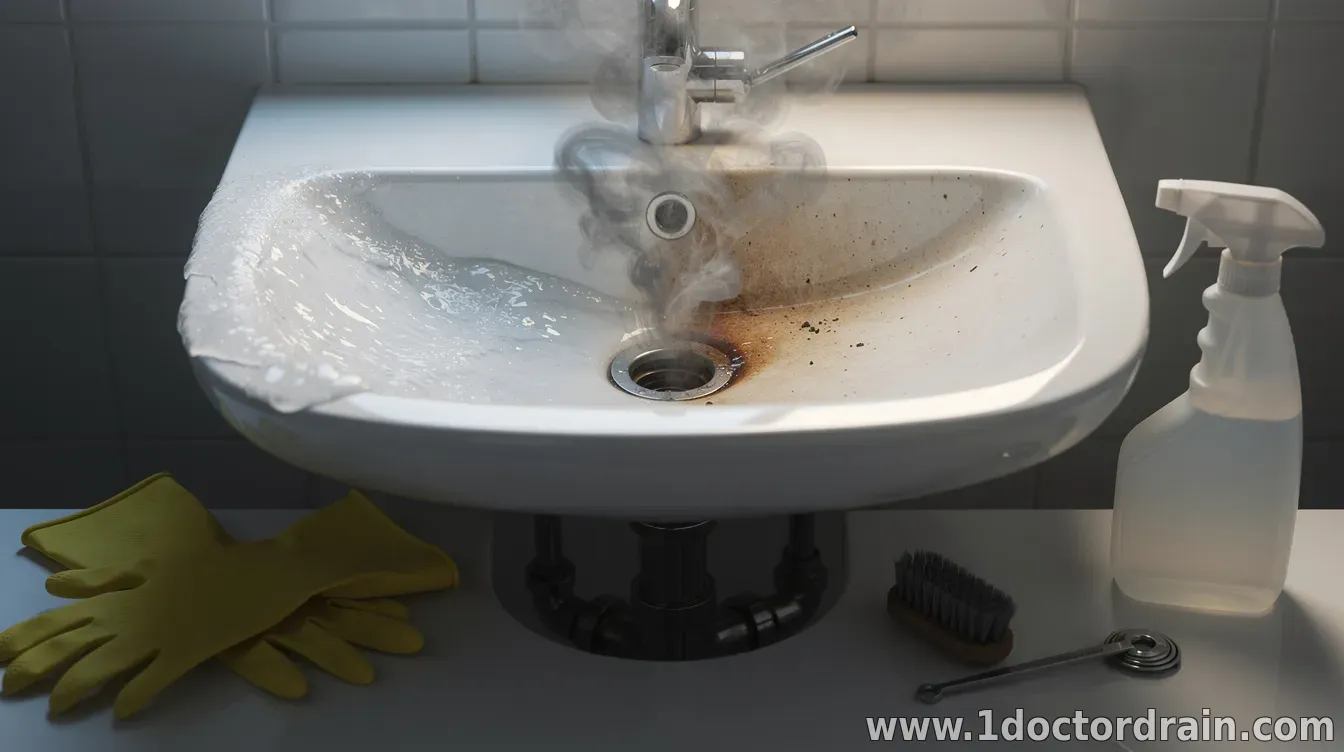
If you notice a drain smell that just won’t go away, the source is often closer than you think—frequently trapped odor behind plumbing fixtures, stagnant water in the line, or a venting problem that lets sewer gas escape into your home. While the smell itself is unpleasant, it can also be a useful clue: the “what” and “where” often narrow down the “why.” Below are the most common causes and the safest, most effective fixes homeowners can attempt before calling a plumber. 1) Dry P-trap or infrequent use
Many sinks, tubs, and floor drains have a U-shaped P-trap under the fixture. It holds a small amount of water that blocks sewer gases from rising up through the drain. If the water evaporates—common in bathrooms that aren’t used often, during extended vacations, or after a leak—or if the trap was installed incorrectly, odor can linger.
Fix: Run water in the affected drain for 30–60 seconds. If the smell returns quickly, pour a few cups of water (or even a sink-safe lubricant-free water top-off) to re-establish the seal. For floor drains used rarely, check that the trap still retains water and consider adding water periodically. 2) Slow drainage and buildup in the line
Food particles, grease, soap scum, hair, and other debris can collect in pipes and form a sludge layer that traps odor. When the drain is slow or gurgly, the problem is often more than surface clogs—especially if the smell is strongest after you use the sink or shower.
Fix: Remove the obvious blockage first: clean the sink stopper and strainer, and clear hair or debris from accessible areas. For deeper clogs, use a mechanical approach like a drain snake or auger (a safer first choice than repeated harsh chemicals). After clearing, flush with hot water and repeat if the line still drains slowly. 3) Venting issues (a plumbing “pressure” problem)
Plumbing vents help balance air pressure so wastewater flows properly. If a vent pipe is blocked (by debris, a bird’s nest, or ice in colder climates) or incorrectly connected, air can’t move as designed. The result can be persistent odors, gurgling, slow drains, or waste backing up.
Fix: Venting problems typically require inspection. If you suspect venting—especially when multiple drains start smelling at once—look for signs such as gurgling after flushing and consult a licensed plumber. Avoid repeatedly clearing drains with chemicals; the smell may persist until the venting system is corrected. 4) Sewer gas escaping from a leak or loose connection
Older plumbing, joint failures, or loosened fittings can allow sewer gas to leak near the drain line, under a sink, or at a toilet connection. This can create an odor even when the drain appears “clear.”
Fix: Check the area under sinks for wet spots, residue, or cracking around pipe joints and seals. If the smell is localized near a specific fixture, inspect the connections and ensure the trap is properly seated. Tighten only what you can safely access—if you find damage or recurring leaks, a plumber may need to replace seals or sections of pipe. 5) Clogged or contaminated drain traps in other fixtures
Sometimes the “culprit” isn’t the drain you’re thinking of. For example, a shared drain line, nearby fixture, or a rarely used floor drain may be harboring odor. If multiple drains in the same area smell, it can point to a common line or trapped buildup.
Fix: Test by checking each drain individually: run water in one fixture at a time and note which one changes the smell most. If floor drains are involved, remove and clean the strainer and ensure the trap isn’t dry. If the odor spreads across multiple fixtures, plan for a professional inspection of shared plumbing. Safer cleaning approach (and what to avoid)
When dealing with persistent odors, it’s tempting to pour chemical drain cleaners repeatedly. However, harsh chemicals can damage pipes, worsen certain clogs, and create additional fumes if the line is partially blocked. Mechanical removal and thorough flushing are often more effective for long-term results.
Better first steps: clean accessible parts (strainers, stoppers), remove hair and debris, clear the trap area if reachable, and use a drain snake/auger for stubborn blockages. If you do use hot water, do it carefully—especially for older pipes—and never combine chemicals. When to call a plumber
Professional help is recommended if the smell is accompanied by sewage backup, persistent gurgling, multiple fixtures affected at once, visible leaks, or repeated returns after you’ve cleaned and flushed. These symptoms can indicate venting failures, deeper clogs, or structural issues that require specialized tools.
A drain smell that won’t go away usually has a cause you can track—dry traps, buildup, venting, or gas leaks. Start with the simplest checks (P-trap and accessibility), then move toward line clearing, and escalate to a professional if venting or shared plumbing seems involved.
| |
|
| |
CALL ☎ Subscribe 👆
Next & Previous posts
Related materials:

CONTACT US 📩
Submit the form, we'll contact you as soon as possible!