2:45 AM Laundry Lint Traps: A Simple Fix for Common Drain Problems | |
|
Slow-draining sinks, recurring clogs, and musty smells are often blamed on hair or grease—but laundry lint is an underappreciated culprit. Tiny fibers shed from towels, synthetic fabrics, and everyday clothing can travel through washing machine drain lines and accumulate over time.
Lint traps offer a straightforward solution: they intercept loose fibers before they reach the plumbing system. The result is typically cleaner drains, fewer backups, and easier maintenance for homeowners. Why laundry lint causes drain problems
When laundry is washed, fabric shedding is normal. Over repeated loads, lint can combine with soap residue and other debris, forming a sticky mat that narrows pipes. Even if water initially drains, gradual buildup can eventually trigger backups or require more aggressive cleaning.
This issue is especially common in households that frequently wash towels, fleece, or dark “shedding-prone” fabrics, as well as in homes with older plumbing or narrow drain lines. How a lint trap helps
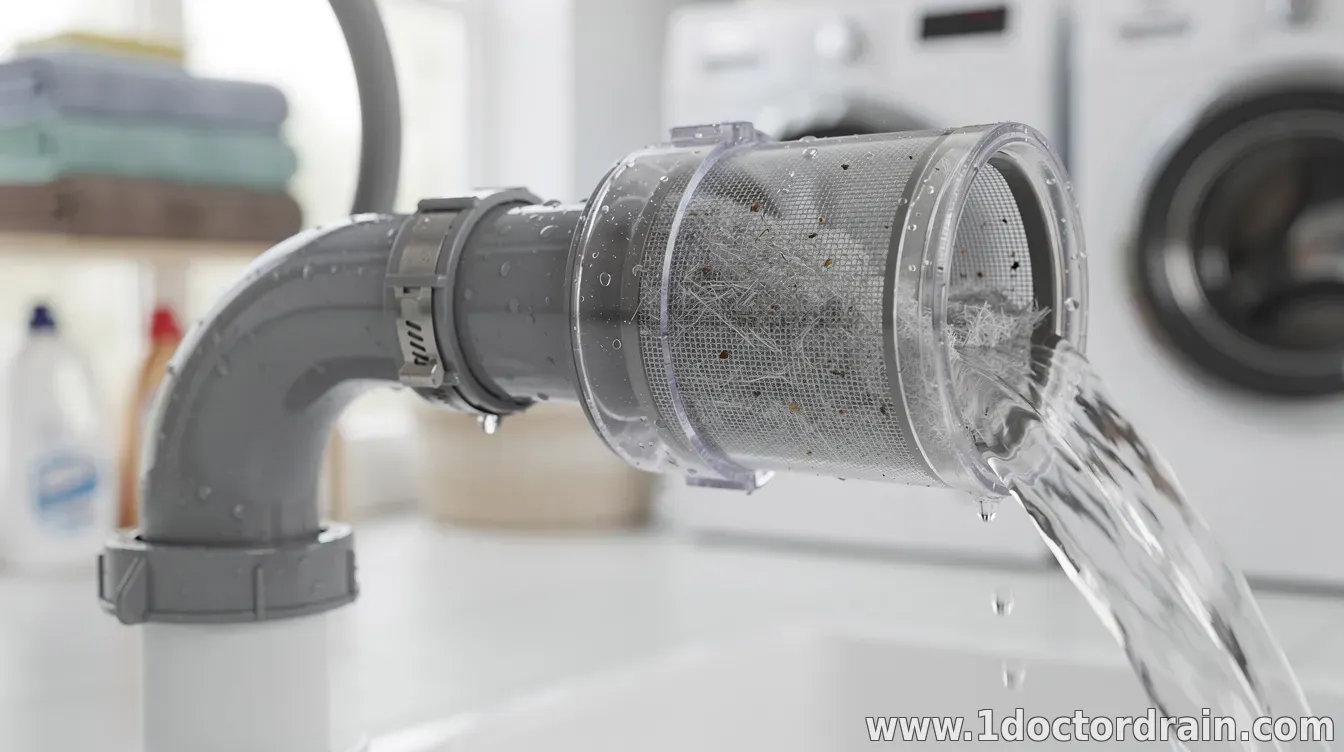
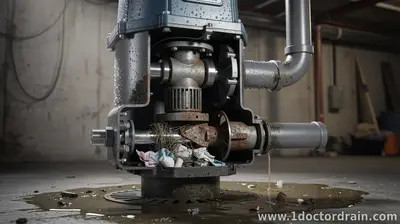
A lint trap is designed to capture fibers at the source—typically in or near the washing machine discharge path. By catching lint early, it prevents the debris from continuing downstream where it would otherwise collect and bind to other materials.
In practice, a lint trap doesn’t eliminate all clog sources, but it meaningfully reduces the volume of fiber-based buildup that tends to create persistent slow drains. Where to install laundry lint traps
Installation options vary by plumbing layout. Many homeowners place a lint trap in the washing machine standpipe connection or add an inline filter to the drain hose route. The key is positioning the trap where lint is likely to travel directly into the drain line.
Before buying, check your setup: confirm hose sizes, look for accessible pipe sections, and ensure the trap can be installed without kinks or restrictions that could affect water flow. If you’re unsure, a plumber can recommend the best location for your configuration. Step-by-step: installing and using the trap
Start by turning off water and ensuring the washing machine is disconnected from the drain line where you’ll work. Install the lint trap according to the manufacturer’s instructions, ensuring all connections are secure and watertight. Once installed, run a short test cycle and inspect for leaks while verifying that drainage remains smooth.
During use, the trap should be checked on a regular schedule—often every few weeks at first—to see how quickly it fills in your household. If you notice frequent lint buildup, you may need to inspect and empty it more often. Maintenance tips to keep drainage flowing
Lint traps work best when cleaned consistently. Remove the accumulated lint carefully and dispose of it in the trash rather than down drains. Periodically rinse the trap if the product instructions allow, and keep an eye out for residue that may require a light cleaning.
Just as important, review laundry habits that contribute to shedding. Washing full loads rather than overloading, using the correct detergent amount, and avoiding fabrics that shed heavily without appropriate washing settings can all help reduce fiber carryover.
For persistent symptoms—such as standing water, repeated backups, or gurgling sounds—lint traps can be part of the solution, but you may still need professional drain cleaning to address existing buildup deeper in the system.
By intercepting lint before it reaches your pipes, a laundry lint trap provides a practical, preventive fix for a common drain problem—one that’s often far easier than repeated emergency unclogs.
| |
|
| |
CALL ☎ Subscribe 👆
Next & Previous posts
Related materials:
CONTACT US 📩
Submit the form, we'll contact you as soon as possible!