NEWS

Home NEWS

☎ 224-355-8929

Drain сleaning serviсe, clogged drain, sewer cleaner, IL


How often should you get a sewer camera inspection?

How often should you get a sewer camera inspection?


A sewer camera inspection uses a specialized camera to evaluate the condition of your main sewer line, looking for cracks, corrosion, root intrusion, blockages, and other damage. How often you should schedule this test depends on several factors, including home age, pipe material, and any history of drainage issues.


Baseline guidance for many households is to schedule a proactive inspection every 1–2 years. This frequency balances catching developing problems early with the costs of the service. Homes with older pipe materials or clay mains typically benefit from closer monitoring, possibly annually, due to higher risk of root intrusion and deterioration.


Several scenario-based guidelines can help you decide. If your home was built on a clay or cast-iron main, or if you have a history of sewer backups or frequent slow drains, an annual check is often prudent. If your sewer line is relatively new or using more modern materials like ... Read more »


Added: admin 03/09/2026 into the category «Drain cleaning serviсe» Views: 15 Commets: 0
More


How to unclog a toilet without causing damage

How to unclog a toilet without causing damage


Toilet clogs happen, but with the right approach you can unclog a toilet without risking damage to the bowl, seals, or pipes. Start with the least invasive method and move to targeted tools as needed.


First, assess the situation. If the water level rises high and threatens overflow, remove excess water with a cup or siphon to prevent spills, then turn off the water supply if the situation worsens.


Step 1: Use a flange plunger. A proper toilet plunger creates a better seal and more force. Position the plunger in the drain and push and pull firmly in smooth, straight movements for 15–20 seconds. If water still won’t clear, pause and repeat a few times before moving on.


Step 2: Add mild detergent and hot water. Squirt a generous amount of dish soap around the bowl rim and pour hot (not boiling) water from waist height into the bowl. Let it sit for a few minutes, then try the plunger again. The soap acts as ... Read more »


Added: admin 03/09/2026 into the category «Drain cleaning serviсe» Views: 15 Commets: 0
More


Main line rodding: what it is and when you need it

Main line rodding: what it is and when you need it


When a drain backs up or slow drainage affects more than one fixture, it often points to a blockage in the main sewer line rather than a single pipe. Main line rodding is a plumbing service that uses specialized tools to break apart or dislodge stubborn clogs in the home's main sewer line, restoring flow from the house to the municipal sewer system or septic tank.


What it is and how it works


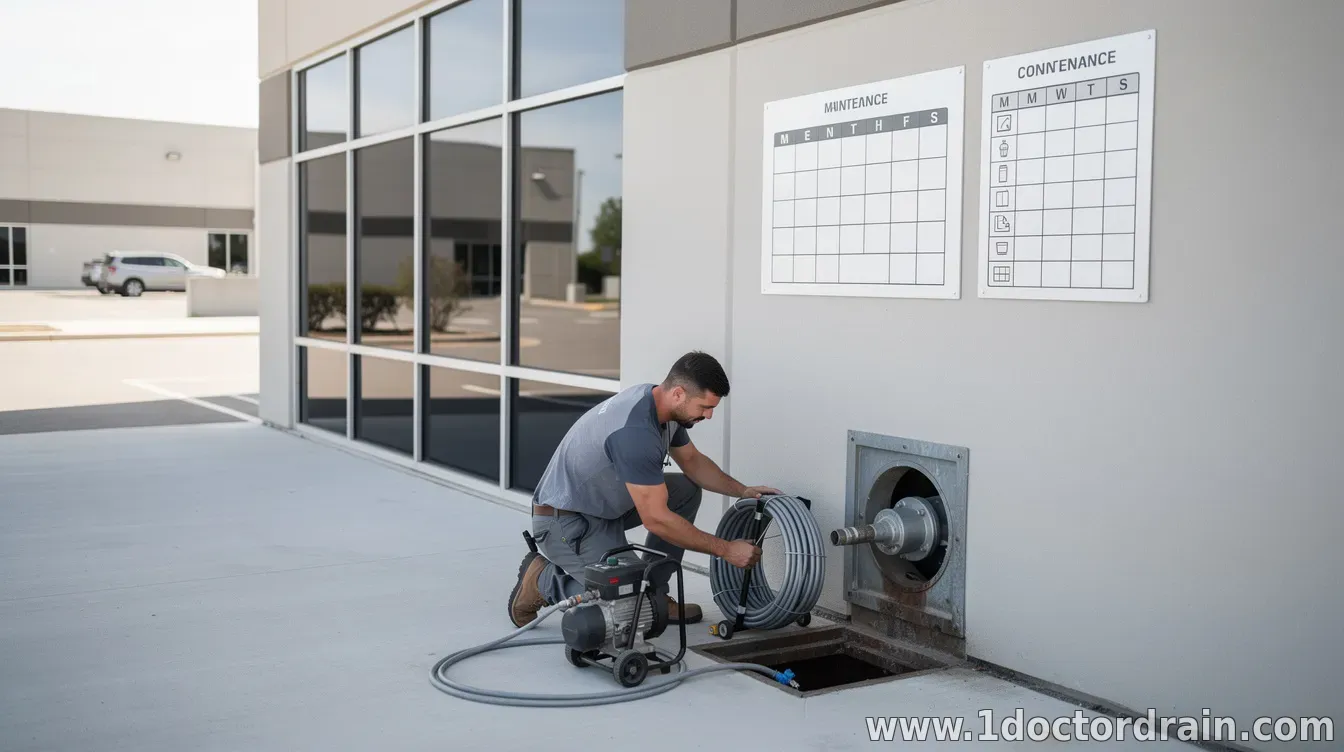
Rodding typically involves a power-assisted drum or motorized auger with flexible steel cables that reach far into the main line. The technician feeds the cable into the line and rotates it to cut through tree roots, grease build-up, or other obstructions. In some cases, a drain snake or hydro-jetting may be used in conjunction with rodding to ensure the pipe is clear.


When you might need it


Common indicators include:

  • Multiple fixtures draining slowly or backing up at once
  • ... Read more »
Added: admin 03/08/2026 into the category «Drain cleaning serviсe» Views: 24 Commets: 0
More


How to clear a clogged kitchen drain: quick, safe fixes

How to clear a clogged kitchen drain: quick, safe fixes


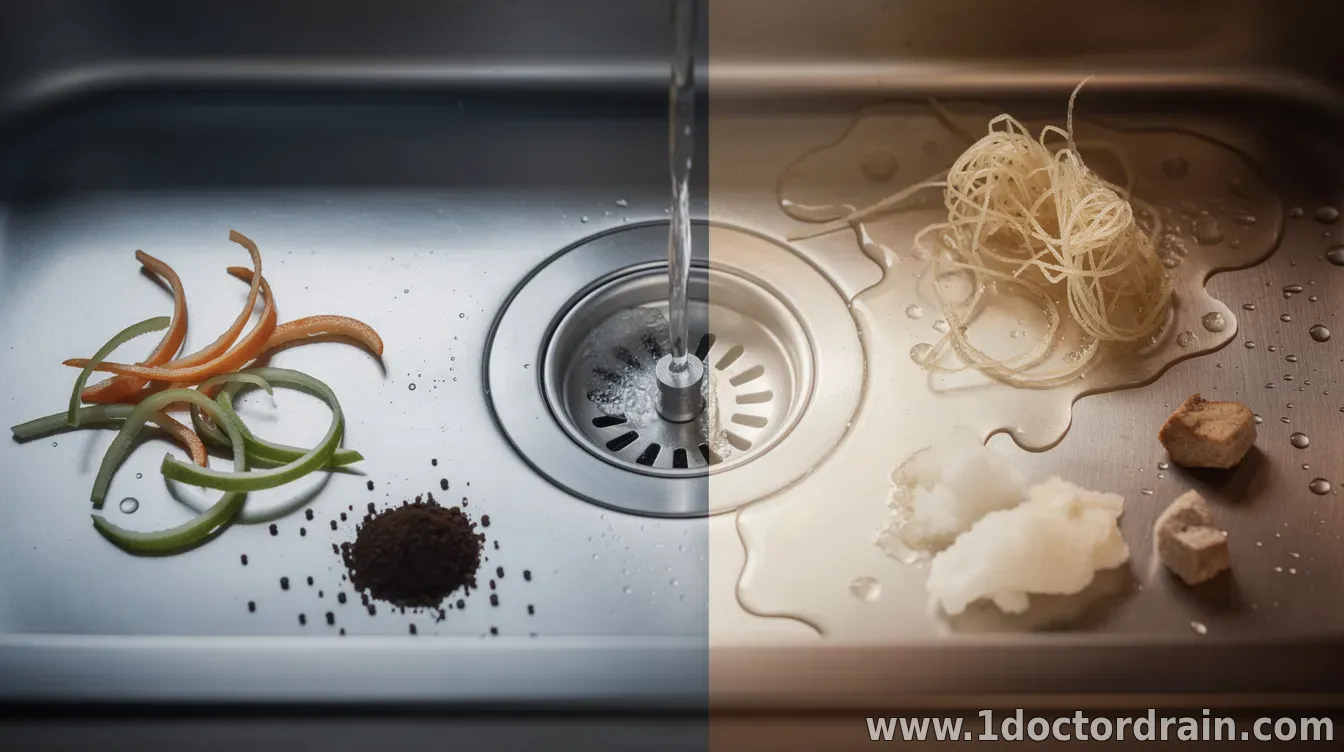
Clogged kitchen drains are a common home issue. In most cases, the problem stems from grease, leftover food particles, or soap scum that have built up in the pipes over time. A quick, methodical approach can often restore flow without calling a plumber.


Start with simple, no-special-tools steps


1) Boil a kettle of water and slowly pour it down the drain in two to three stages. Hot water can melt and flush away some grease buildup. If you have a double sink, close the other drain to prevent backflow.


2) Use a plunger designed for sinks. Create a tight seal, plunge vigorously for 15–30 seconds, then run hot water to see if the flow improves. If the clog remains, move to the next method.


Chemical-free and safer options


3) Pour 1/2 cup of baking soda into the drain, followed by 1 cup of white vinegar. The fizz helps loosen debris. Wai ... Read more »


Added: admin 03/08/2026 into the category «Drain cleaning serviсe» Views: 23 Commets: 0
More


« 1 2 3 4 5 ... 14 15 »