
3:21 AM Burst Pipe: What to Do While Waiting for a Plumber | |
|
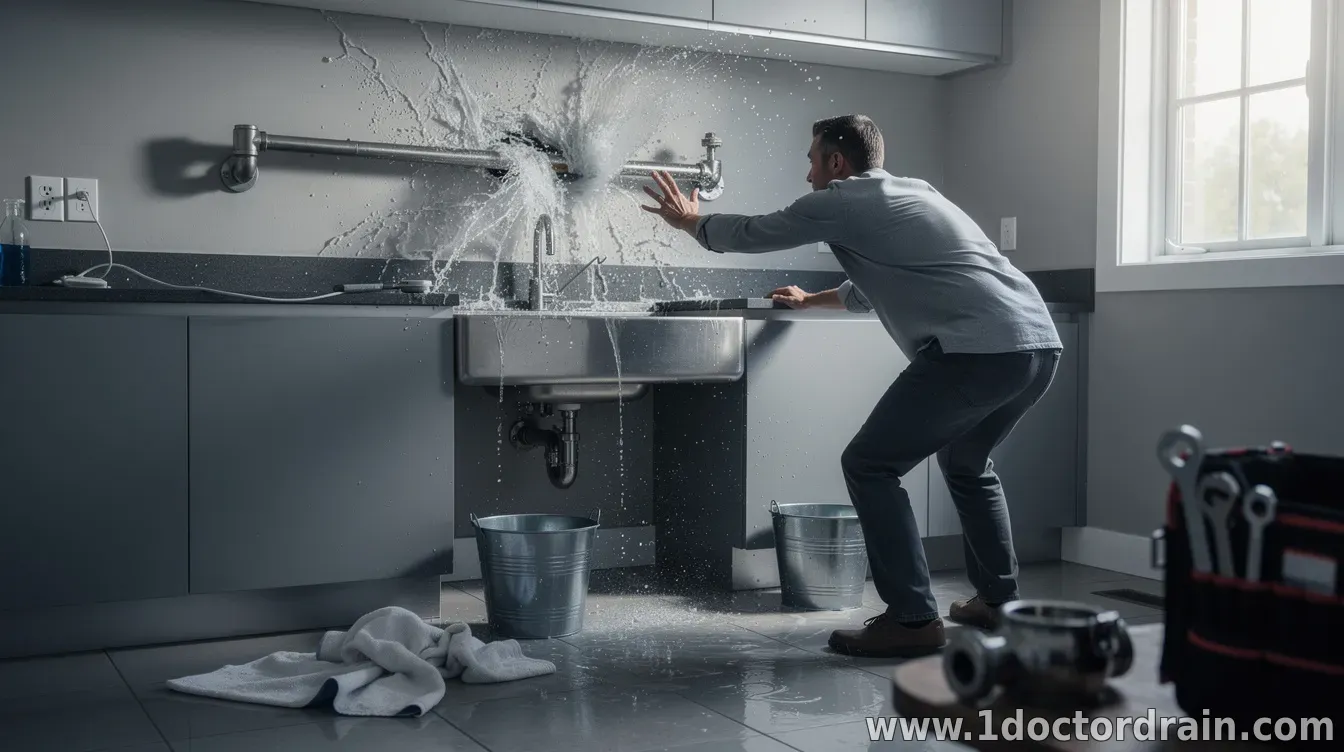
A burst pipe is a true time-sensitive emergency. Water can spread behind walls, under floors, and into electrical areas before you even notice the source. While you wait for a plumber, your goal is to stop the flow, prevent additional damage, and keep everyone safe. 1) Stop the water immediately
If the pipe has burst, locate the home’s main shutoff valve and turn it off as quickly as possible. If you can’t find it right away, shut off the water at the nearest fixture shutoff (if one exists) or the closest isolation valve to the damaged line.
Once water is off, open a faucet at the lowest point in the home to relieve pressure and help drain residual water from the lines. Then avoid running more water while repairs are pending. 2) Reduce damage and protect what you can
Move valuables and electronics away from the leak path. If water is pooling, use towels, a mop, or a wet/dry vacuum if available. For larger leaks, focus on redirecting water away from outlets, breaker boxes, and any electrical equipment.
If the burst pipe is in a hidden space (crawlspace, behind a wall, or under a floor), pull back materials only if it’s safe to access the area. Otherwise, prioritize stopping water and containing spread. 3) Keep it safe: electricity, ceilings, and structural risks
Do not touch standing water if there’s any possibility it’s near electrical outlets, cords, or appliances. If water has reached outlets or wiring, turn off power to the affected area at the breaker—when it’s safe to do so—and keep people away until it’s assessed.
If water is coming through the ceiling, watch for sagging drywall or signs of structural strain. In these cases, it’s reasonable to call emergency services or your local fire department for guidance, especially if there’s risk to occupants or electrical hazards. 4) Document the damage for the plumber and (possibly) insurance
Before things are fully cleaned up, take clear photos or short video clips showing where the pipe burst, the surrounding area, and any water lines or damage patterns. Note the time the leak started, what you observed, and what you did (for example, when you shut off the main valve).
This can help the plumber diagnose the failure more quickly and can support insurance claims if you have coverage for water damage.
Once the water is shut off, it’s usually best to let the plumber handle the repair and any necessary testing. Clean-up may be needed after the repair, but avoid removing wall or floor sections unless you’re instructed or it’s necessary for drying and access—and always prioritize safety.
If you share your pipe location (under-sink, behind a wall, basement, outdoors) and whether the water is still flowing, I can suggest a more tailored emergency checklist for what to do next while you wait.
| |
|
| |
CALL ☎ Subscribe 👆
Next & Previous posts
Related materials:
CONTACT US 📩
Submit the form, we'll contact you as soon as possible!