1:01 AM How Main Line Rodding Differs From Regular Drain Snaking | |
|
When a drain backs up, homeowners often hear about “snaking” as the default solution. But not all snaking is the same—main line rodding and regular drain snaking are used for different pipe runs and blockage scenarios, and the right choice can affect how quickly your system is restored. Main line rodding vs. drain snaking: the core difference
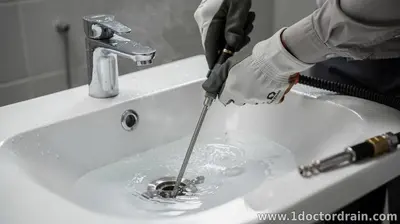
Drain snaking typically targets smaller, more accessible lines—often interior or near-building drains such as tubs, sinks, showers, and nearby branch lines. Main line rodding is designed for the larger, longer pipe run that carries wastewater from the building to the municipal sewer or septic system. Where the tools work
Regular drain snake tools are usually suited to shorter distances and tighter access points, which is why they’re commonly used for localized clogs. Main line rodding is intended to reach farther along a property’s plumbing system, including the more substantial piping that can be harder to fully clear from common fixtures. How the buildup is handled
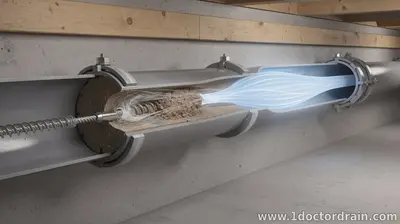
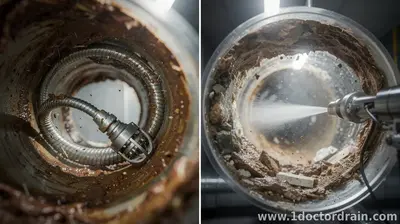
Different blockages respond differently. Drain snaking often clears hair, soap scum, grease, and minor debris in smaller pipes. Main line rodding is generally used for more stubborn or widespread stoppages—such as heavier scale buildup, compacted material, or conditions where residue has accumulated over a longer stretch of the main line. Tool strength and technique
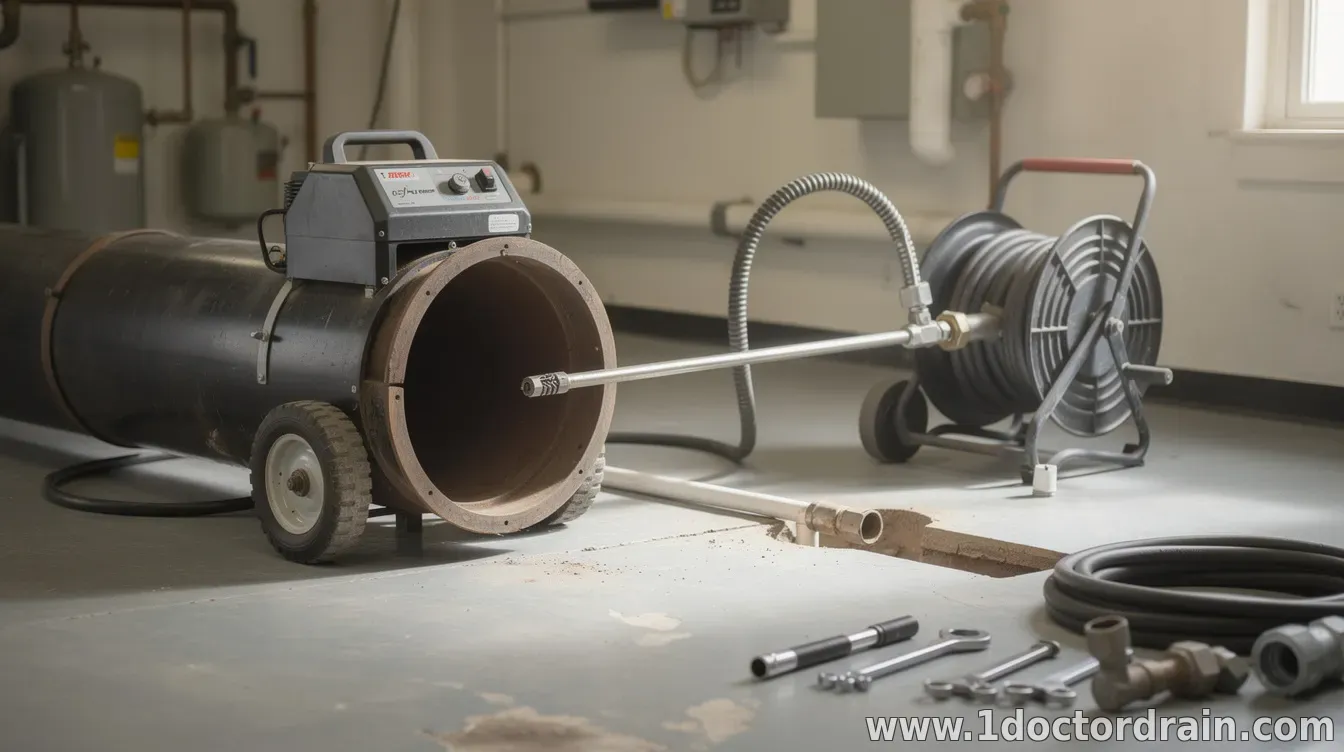
Main line rodding typically relies on more robust equipment and an approach built to push through or break up tougher obstructions within a larger pipe. Drain snaking may use smaller cables and a more targeted method to address clogs in branch lines before they can spread. Signs you may need main line rodding
If multiple fixtures are draining slowly at once, if you notice gurgling or recurring backups, or if the problem seems to originate farther downstream than a single drain, the issue may be in the main line rather than a branch line. In those cases, main line rodding is often more appropriate than repeatedly snaking individual fixtures. Why choosing the right service matters
Selecting the correct method helps reduce the likelihood of a quick return of the clog. When the blockage is in the main line, treating it like a localized drain issue can lead to repeated callouts and incomplete clearing. A proper assessment also helps technicians recommend next steps—such as follow-up cleaning or further diagnosis—if the problem persists.
If your property is experiencing drainage backups and you want the clearest path to resolution, start by identifying whether the obstruction is likely on a branch line or in the main line. A qualified service provider can then determine whether main line rodding or regular drain snaking is the better fit for your system.
| |
|
| |
CALL ☎ Subscribe 👆
Next & Previous posts
Related materials:
CONTACT US 📩
Submit the form, we'll contact you as soon as possible!