NEWS

Home NEWS

☎ 224-355-8929

Drain сleaning serviсe, clogged drain, sewer cleaner, IL


Drain Cleaning Solutions: Types, Use, and Safety

Drain Cleaning Solutions: Types, Use, and Safety


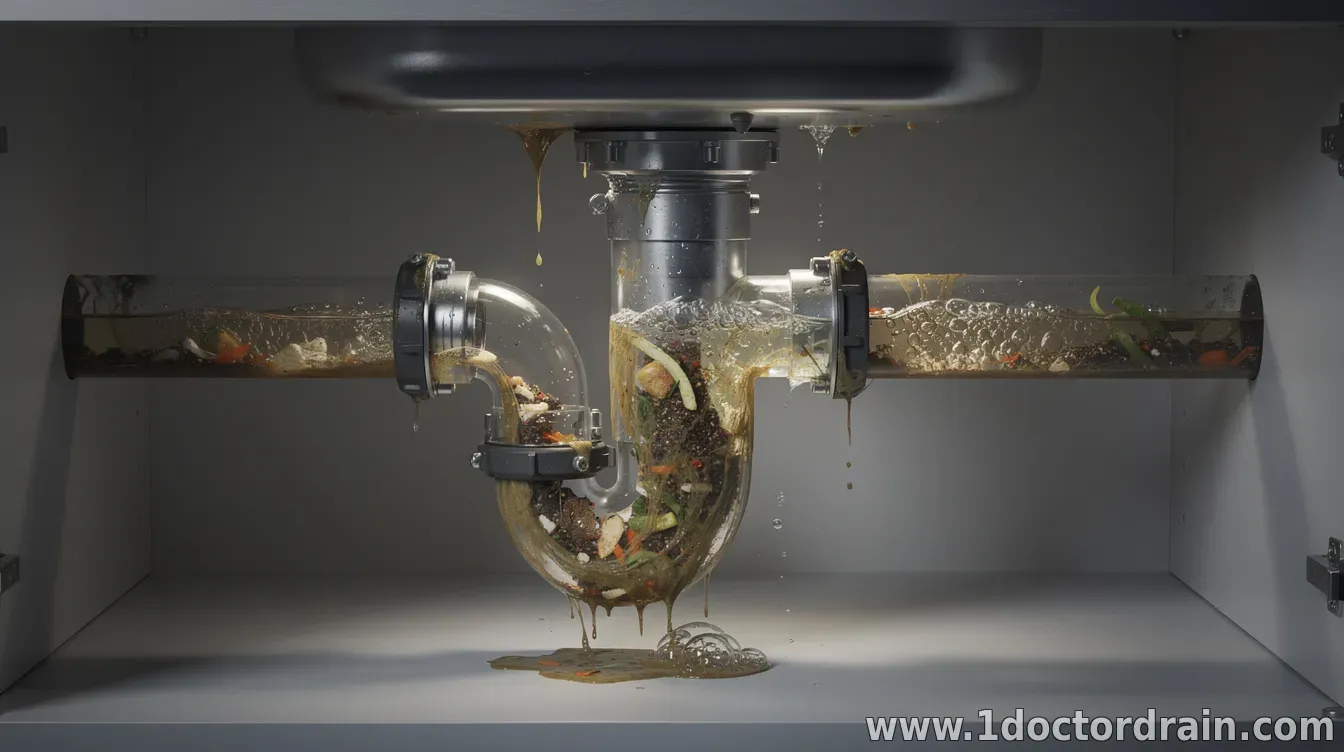
Drain clogs are a common household nuisance, from kitchen sinks to showers. Cleaning solutions are a first-line option that can clear minor blockages without professional help. The three main categories are chemical, enzymatic, and natural remedies. Each has distinct mechanisms, effectiveness, and safety considerations.


Chemical drain cleaners use powerful reagents like sodium hydroxide or sulfuric acid to dissolve organic material and open pipes. They can be effective for simple clogs but pose risks, including pipe damage if misused, releasing harmful fumes, and potential chemical reactions with previously used cleaners. Always follow product instructions, wear gloves, and ensure good ventilation. Do not mix chemicals, especially with bleach or ammonia, which can create dangerous gases.


Enzymatic and microbial cleaners use enzymes or bacteria to break down hair, grease, and organic buildup gradually. These are generally safer for pipes ... Read more »


Added: admin 04/02/2026 into the category «Drain cleaning serviсe» Views: 47 Commets: 0
More


What is main line rodding and when do you need it

What is main line rodding and when do you need it


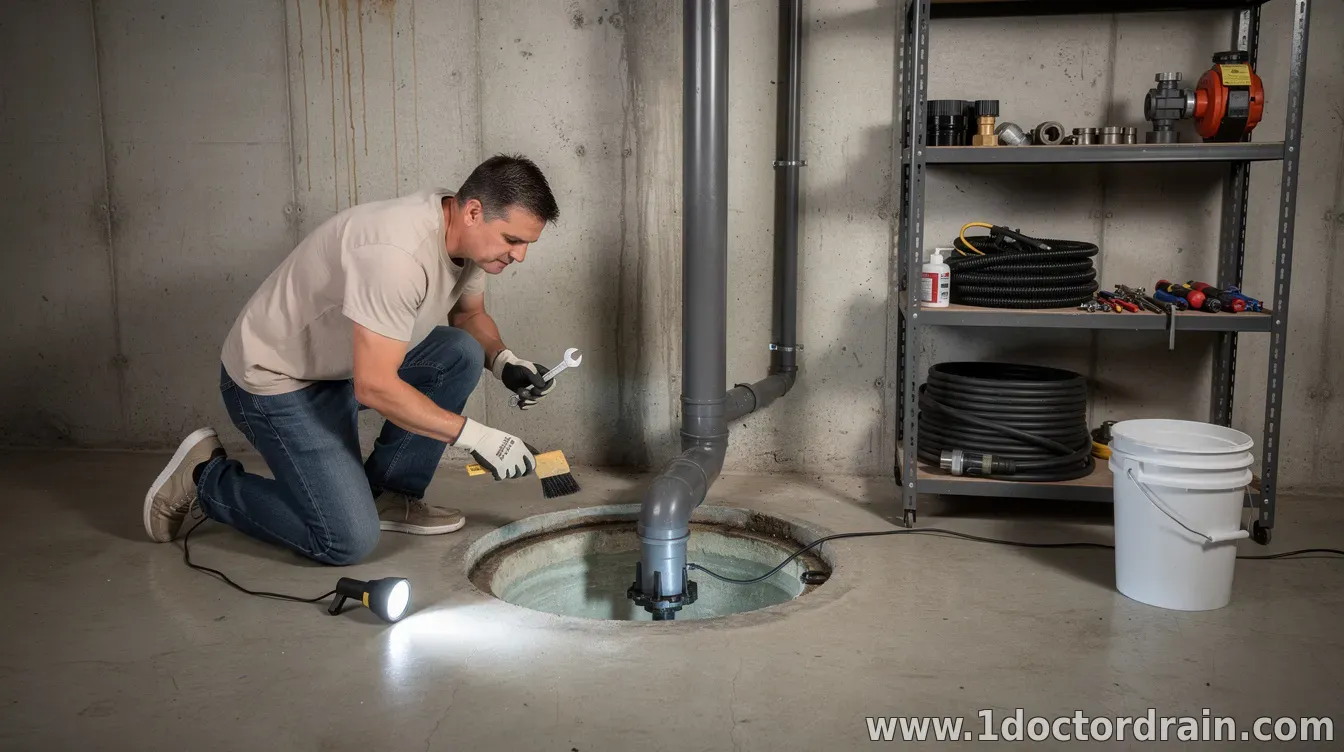
The main line in a home’s plumbing system is the primary pipe that carries wastewater from all fixtures out to the municipal sewer or septic system. When this line becomes blocked, sinks drain slowly, toilets back up, and you may notice gurgling sounds or unusual sewage odors. Rodding uses a long, stiff cable with cutting or agitation attachments to physically break up or dislodge the obstruction deep within the main line.


What counts as a “main line” blockage can vary by home, but it typically involves the sewer stack or main horizontal drain beneath the basement or yard. Plumbers will assess with cameras and pressure tests to confirm the location and nature of the blockage before rodding.


Signs you may need main line rodding


Common indicators include persistent or recurring backups in multiple fixtures, slow drains across the house, water backing up into fixtures after flushing a toilet, and ... Read more »


Added: admin 04/01/2026 into the category «Drain cleaning serviсe» Views: 46 Commets: 0
More


What Causes a Clogged Drain and How to Prevent It

What Causes a Clogged Drain and How to Prevent It


Clogged drains happen when materials accumulate faster than your pipes can carry them away. For most households, the typical culprits are simple, everyday substances rather than mysterious blockages. Knowing what to watch for and how to intervene can save time, money, and stress.


Common causes


Hair is a frequent offender in bathroom drains. It can combine with soap and mineral deposits to form clogs in the trap and pipes. In the kitchen, FOG (fats, oils, and grease) from cooking can solidify as it cools, trapping food particles and causing slow drainage or full blockages. Soap scum, toothpaste, and mineral buildup from hard water can also contribute to gradual drain slowing, especially in showers, sinks, and bathroom tubs.


Beyond everyday items, more persistent problems include foreign objects such as wipes (even “flushable” ones), sanitary products, or small toys accidentally ... Read more »


Added: admin 03/31/2026 into the category «Drain cleaning serviсe» Views: 48 Commets: 0
More


How to unclog a shower drain: practical steps you can take

How to unclog a shower drain: practical steps you can take


One of the most common bathroom annoyances is a shower drain that won’t drain properly. A slow or clogged drain can lead to standing water, unpleasant odors, and a messy rim around the tub or shower base. Here’s a concise, practical guide to diagnosing and solving the problem.


First, assess the situation. A clog typically results from hair, soap scum, or mineral buildup that traps debris as it travels down the drain. If you notice a slow drain only after a certain amount of water has collected, you’re likely dealing with a partial blockage. If water backs up and pools, the blockage is more pronounced and may require more tools or professional help.


DIY steps you can try


Try these steps in order, testing the drain after each:

  • Remove the drain cover and pull out visible hair or debris with fingers or a pair of needle-nose pliers.
  • Use a plunger: create a tight seal over t ... Read more »
Added: admin 03/31/2026 into the category «Drain cleaning serviсe» Views: 53 Commets: 0
More


« 1 2 3 4 5 6 ... 22 23 »