1:27 AM Signs Your Sump Pump Is Failing Before It Fails | |
|
A sump pump is one of those home systems you hope you’ll never need—until it stops working at the worst possible time. The good news is that many sump pump problems show up gradually. If you know what to watch for, you can address issues before they escalate into a basement flooding event. 1) Water isn’t going down as fast as it used to
One of the most common early indicators is performance decline. If your basement water level seems to rise longer between pump cycles, or it takes noticeably more time for water to be cleared after heavy rain, the pump may be struggling. Causes can include a partially clogged intake, sediment buildup, or a failing motor. 2) The pump runs more often than normal
Frequent cycling can mean the pump is being asked to do more work than usual. If the pump turns on and off rapidly, or you hear it running far more than during past storms, check for a high water table, a stuck float switch, or a faulty float adjustment. A float that doesn’t trigger at the correct water level can lead to inefficient operation—and faster wear. 3) Strange noises, vibration, or “hard starts”
Sump pumps normally make periodic operating sounds, but new or worsening noise patterns are red flags. Grinding, rattling, screeching, or excessive vibration can point to debris in the pump, worn bearings, or impeller damage. Similarly, if the pump seems to hesitate before turning on, or the motor hums without pumping, electrical or mechanical failure may be underway.
Pay attention to how the pump sounds during startup. If you hear the motor engage but water flow is weak—or absent—that’s often a sign of clogging, loss of prime, or motor issues. 4) The water line rises higher than expected
If water is reaching areas it usually doesn’t—such as a higher puddle line along the floor, or dampness appearing sooner after rain—consider whether the pump is delivering enough discharge. This can happen when the discharge pipe is blocked, the outlet check valve is failing, or the pump is unable to push water through the system as effectively as before.
In some cases, a failing check valve can cause water to flow back toward the basement after pumping. The result can look like the pump “didn’t work,” when in reality it pumped—then the water returned. 5) Corrosion, leaks, or a foul smell near the unit
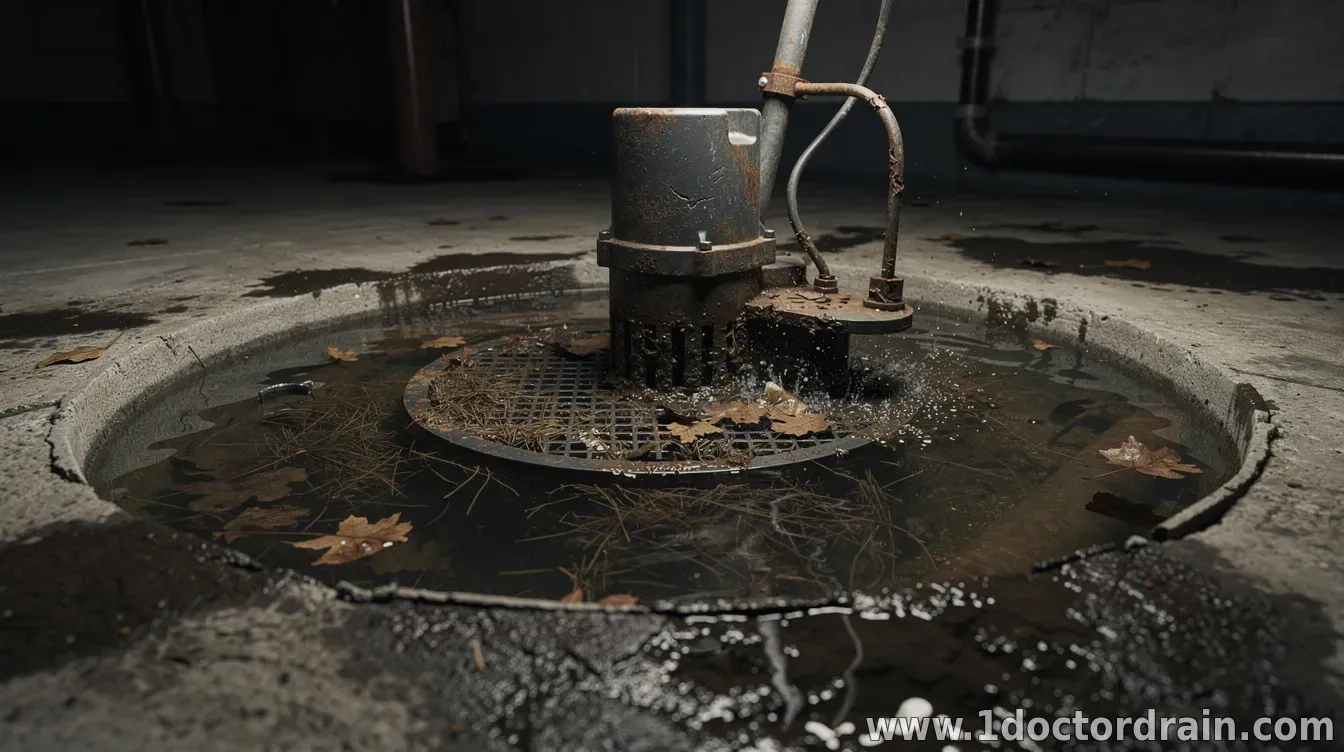
Visible rust, water seepage around the pump, or residue around the basin can indicate aging components or seals that are no longer holding properly. While moisture is expected in a sump pit, persistent leakage around power connections or unusual buildup can be a safety concern as well as a sign the pump housing or internal components are degrading.
If you notice strong odors or excessive sediment in the pit, debris from surrounding soil or inadequate drainage around the foundation may also be contributing to strain on the pump. 6) Test runs don’t perform the way they should
Many sump pumps have a built-in float test or a simple way to force operation. If a manual test produces weak pumping, odd sounds, or delayed response, don’t assume it’s fine. Treat test failures as actionable maintenance signals. Keep in mind that a pump may run during a short test yet still fail under sustained or higher water conditions during a storm.
Before testing, follow manufacturer guidance and ensure the discharge line is clear and unobstructed. If the pump cannot clear the pit quickly when tested, that’s a strong indication repairs—or replacement—may be needed. What to do if you spot warning signs
If you see one or more of the issues above, act early. Start with basic checks such as clearing debris from the basin, inspecting the discharge line for blockages, and confirming the float moves freely. If problems persist—especially weak pumping, humming without pumping, or recurring cycling—consider having a qualified technician inspect the motor, impeller, check valve, and wiring.
Because power and reliability are critical, it’s also wise to verify that backup protection is in place for outages and that the pump is properly matched to your home’s drainage needs.
By treating these early warning signs as maintenance alerts rather than “wait and see” moments, homeowners can reduce the risk of abrupt sump pump failure and the disruption that comes with basement flooding.
| |
|
| |
CALL ☎ Subscribe 👆
Next & Previous posts
Related materials:
CONTACT US 📩
Submit the form, we'll contact you as soon as possible!