
0:32 AM How Old Pipes in Illinois Homes Affect Drain Performance | |
|
For many homeowners across Illinois—especially in North Shore neighborhoods with older housing stock—drain performance isn’t just about water pressure or plumbing habits. It’s also shaped by the age and material of the pipes themselves. Cast iron, vitrified clay, and historic Orangeburg (a fiber-based product) can all function for decades, but each has failure modes that show up as slow drains, odors, and recurring backups.
Why pipe age matters: Over time, drain lines accumulate scale, grease, and mineral buildup. Joints can loosen, pipe surfaces can degrade, and small cracks can become pathways for soil intrusion or root intrusion. The result is often reduced flow capacity and more frequent clogs—sometimes even when homeowners are careful with what goes down the drain. Cast iron: strong, but joints and corrosion can become the weak link
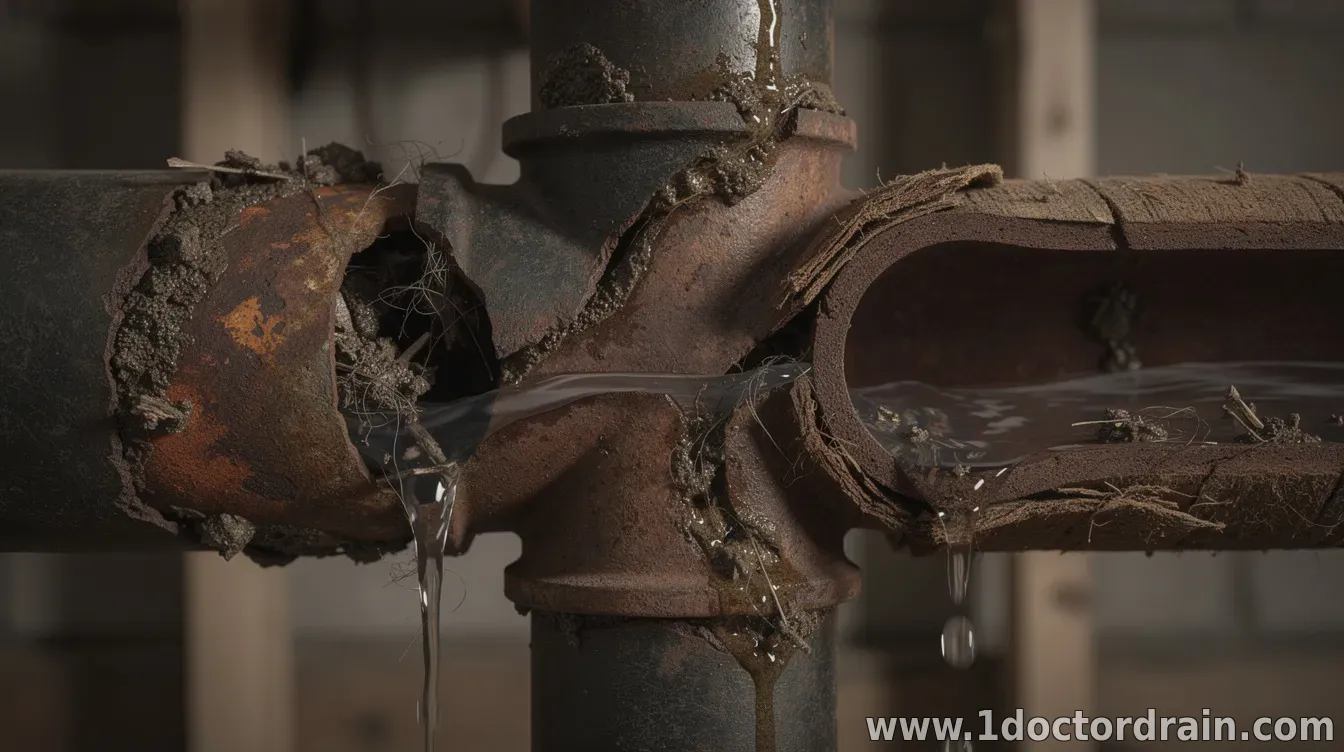
Cast iron drain lines are durable and common in older Illinois homes. But they’re not immune to deterioration. Corrosion can narrow the pipe bore, particularly in sections that remain damp. Meanwhile, the joints—where segments connect—may fail gradually, allowing sediment to collect or letting water seep into surrounding soil. Homeowners may notice recurring slowdowns or problems that seem to “come and go” as debris shifts and accumulates. Clay pipe: brittle with risks from settling and infiltration
Vitrified clay (and other clay drain materials) typically lasts a long time, but it is susceptible to cracking if the building settles or the line is disturbed. Even a hairline crack can allow soil or roots to enter the pipe, where they trap waste and contribute to blockages. Clay systems may also develop misalignment over time, which can create low spots that encourage debris to settle.
When clay fails, symptoms often escalate with time: gurgling sounds, lingering drain water, foul odors near fixtures or cleanouts, and repeated clogs in the same area—especially after heavy rainfall or seasonal ground shifts. Orangeburg pipe: can degrade internally and invite collapse
Orangeburg pipe—installed historically in some properties—has a well-known vulnerability: it can break down as it ages, particularly when exposed to moisture for long periods. Rather than only narrowing from buildup, Orangeburg can lose structural integrity, leaving fragments and deposits that worsen flow. In some cases, the pipe can fail in a way that’s more disruptive than gradual corrosion alone.
Because Orangeburg’s condition is not always visible from the surface, homeowners usually learn about it through video inspection, records, or telltale performance issues. The most concerning patterns are worsening backups, persistent odors, and drain behavior that degrades quickly compared with “normal aging.”
Common warning signs in older North Shore systems: While no single symptom confirms a specific pipe material, these patterns often justify closer inspection:
What to do: diagnose before you guess
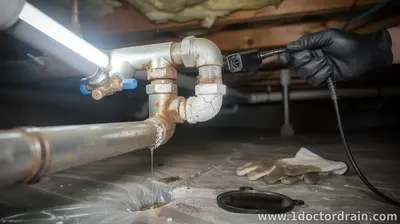
When drain performance is inconsistent in an older Illinois home, the most reliable next step is usually a camera (CCTV) inspection of the affected lines. A technician can document pipe material, joint condition, cracks, blockages, buildup, and evidence of root or soil intrusion. That matters because the “fix” differs: some issues are largely about cleaning and buildup, while others require repairs or replacement of compromised sections.
Depending on what inspection reveals, options may include targeted spot repairs, full pipe replacement, or trenchless methods such as liner installation (where appropriate and allowed by condition and local requirements). In many real-world scenarios, the best outcome comes from matching the solution to the specific failure mode—corrosion, joint separation, misalignment, or material degradation. Maintaining older drains without overreacting
Homeowners can take practical steps while arranging professional evaluation. Avoid repeatedly using harsh drain chemicals as a primary strategy, since they can complicate diagnosis and may be less effective than removal of physical blockages or corrective repairs. Instead, keep lines free of grease and debris, use strainers, and promptly address early warning signs—because small issues in older pipe networks can become larger problems once joints loosen or cracks widen.
For North Shore homes in particular, where cast iron, clay, and Orangeburg may overlap in different sections, performance problems often reflect the “patchwork” of materials and decades of wear. With a camera-based assessment, you can move from guesswork to a clear plan—protecting your drains, reducing the likelihood of backups, and improving long-term reliability.
| |
|
| |
CALL ☎ Subscribe 👆
Next & Previous posts
Related materials:

CONTACT US 📩
Submit the form, we'll contact you as soon as possible!