4:46 AM Why DIY Chemical Drain Cleaners Can Damage Older Pipes | |
|
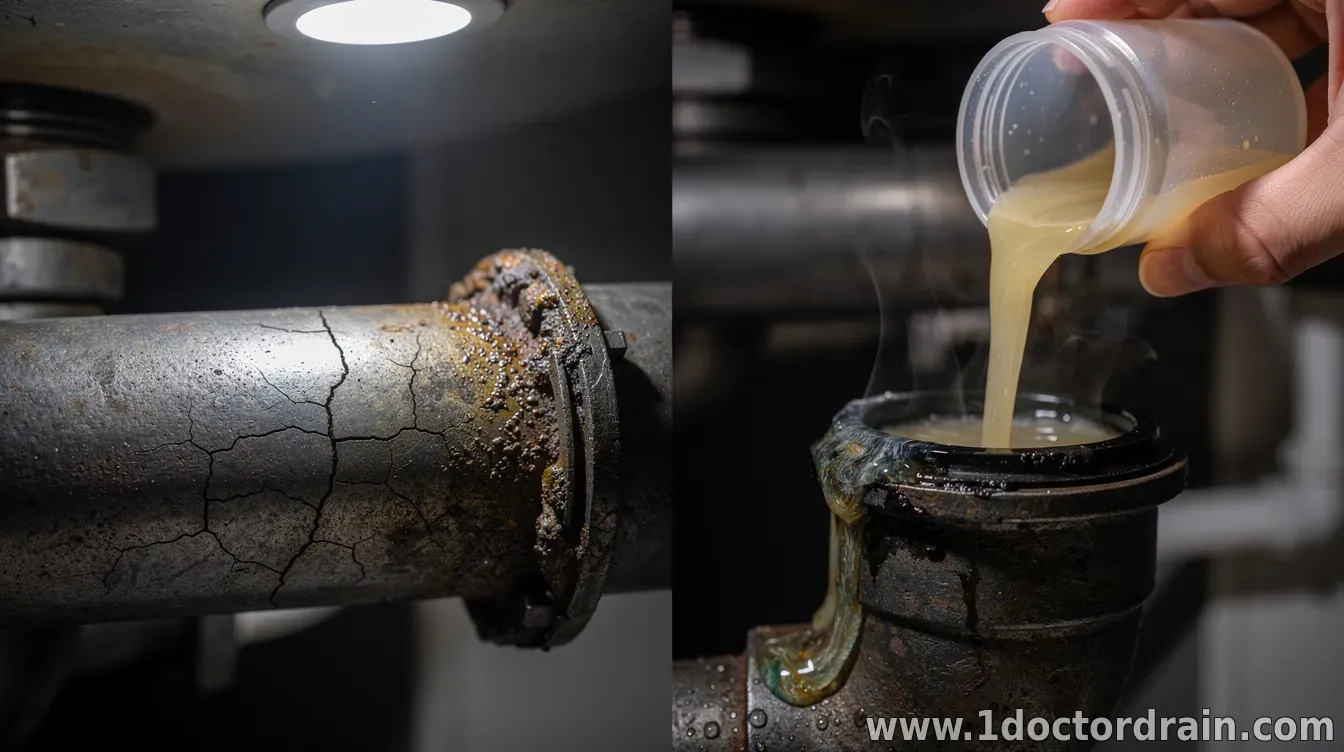
Chemical drain cleaners are marketed as fast solutions for slow or clogged drains, but homeowners in older houses should treat them as a high-risk option. Older pipes—often made with materials that are more vulnerable to chemical attack—can suffer corrosion, pitting, and joint damage after repeated use or even one strong application.
Most DIY drain cleaners rely on harsh ingredients such as sodium hydroxide (lye) or sulfuric acid. These substances are designed to dissolve organic matter, but they don’t reliably “stop” at the clog. Instead, they can keep reacting once they reach pipe surfaces, accelerating deterioration inside the plumbing. Corrosion risk for older pipe materials
Homes with older plumbing may have pipes made from older metals or thin-walled alloys whose protective layers are already compromised by age, mineral buildup, or previous repairs. Strong caustic or acidic chemicals can strip protective coatings and trigger corrosion, which can gradually widen damage over time.
In some cases, the first visible symptom is a faster recurrence of clogs. That’s because corrosion can roughen the pipe interior, making it easier for debris to snag and accumulate. Eventually, the plumbing may require more extensive work than the original blockage. Damage to pipe joints, seams, and fittings
Even when the main pipe run appears intact, older systems often rely on joints, threaded connections, glued fittings, or gaskets that may not tolerate aggressive chemical exposure. Repeated chemical use can loosen or degrade seals, leading to slow leaks that are initially difficult to detect.
Because chemical cleaners can travel through the system, damage is not always limited to the drain where they were applied. Under the right conditions, the chemicals can affect adjacent sections of piping and trapped areas such as bends and cleanouts. Fumes, heat, and “runaway” reactions
Chemical drain cleaners can generate heat as they react with clog material. In older plumbing, that heat—combined with confined flow paths—may worsen existing weaknesses. In addition, the fumes can be hazardous, and the added pressure of bubbling or partial reactions can move the reaction further along the line.
Homeowners also face a critical safety concern: combining different chemical products can produce dangerous reactions. Even when not immediately explosive, mixing can create corrosive byproducts and rapidly increase the risk of severe pipe damage. When the clog is not just “organic”
DIY chemical cleaners work best when a clog is primarily organic buildup (such as grease or hair). In older systems, clogs may involve scale, mineral deposits, tree-root intrusion, collapsed sections, or accumulated sediment. Chemicals may fail to resolve these issues and instead continue to attack pipe surfaces without addressing the underlying cause.
For complex or recurring clogs, a physical or diagnostic approach is often more effective. Plunging, mechanical snaking, or professional inspection can remove the blockage while reducing the likelihood of long-term corrosion. Safer alternatives for older homes
If you’re dealing with a slow drain or a recurring clog, consider lower-damage options first. Start with mechanical methods (like a plunger or drain snake) and use enzymatic cleaners where appropriate for maintenance rather than emergency “clear now” situations. For persistent problems, a licensed plumber can assess whether the issue is corrosion, buildup, or a structural concern.
Ultimately, the reason chemical drain cleaners can harm older pipes is simple: they trade immediate clearing power for ongoing chemical exposure to materials that may already be worn. In aging plumbing systems, the “quick fix” can become the first step toward a bigger repair.
| |
|
| |
CALL ☎ Subscribe 👆
Next & Previous posts
Related materials:
CONTACT US 📩
Submit the form, we'll contact you as soon as possible!