0:50 AM Multiple Drains Clogging at Once: Main Line Troubles | |
|
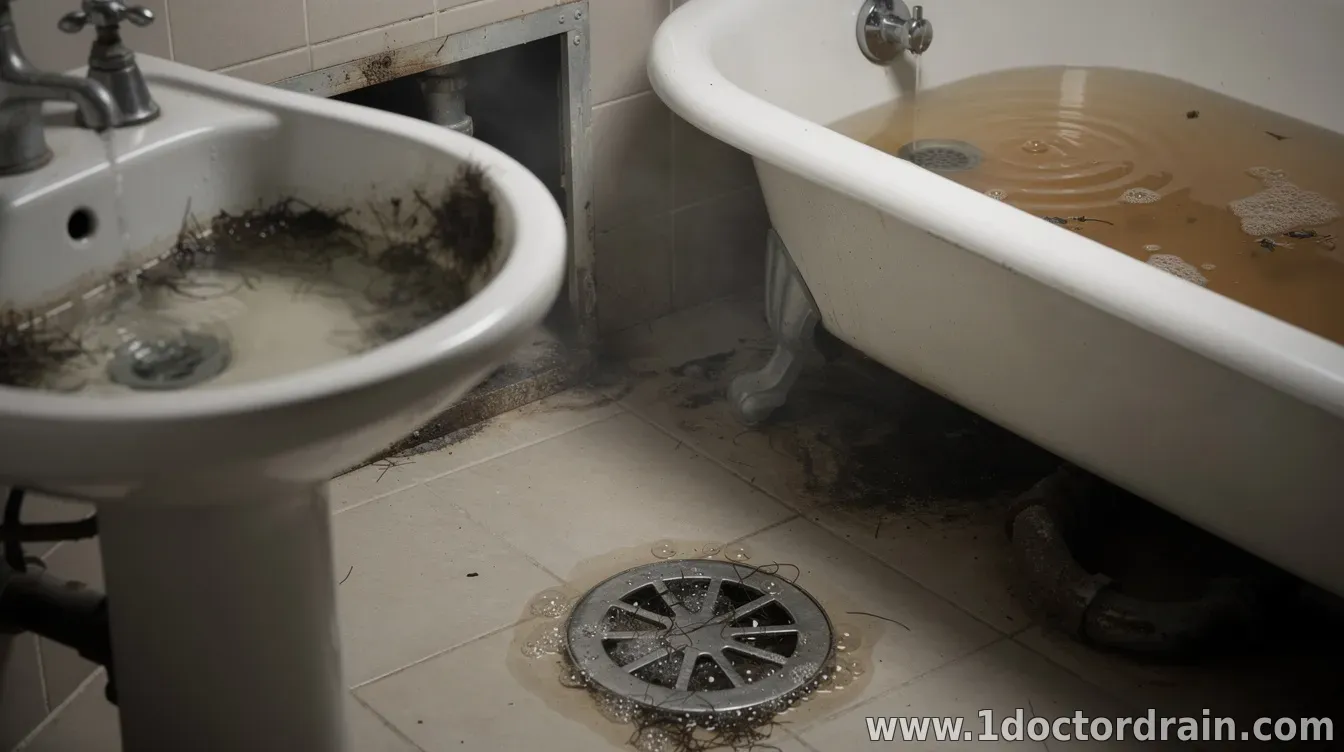
When more than one drain clogs at once—especially in different bathrooms or areas of a home—it’s a strong signal that the issue may be in the main line rather than in any single pipe. While isolated clogs happen frequently, simultaneous backups usually point to a shared path where waste can’t move properly.
Plumbers typically treat this pattern as a priority because it can escalate quickly. Pressure can force wastewater backward, increase the risk of contamination, and make clearing the blockage more complex if it’s deep in the system. What “multiple drains” usually means
In many homes, several fixtures connect to a common sewer or drainage line. If that shared line is partially blocked, multiple outlets may drain slowly, gurgle, or back up at the same time. Common symptoms include gurgling sounds in drains, water rising in one fixture when another is used, and repeated clogs returning soon after being cleared. Main line causes to consider
Main line trouble can stem from a range of issues. Tree-root intrusion is a frequent culprit, especially in older properties where pipes may have small cracks that invite growth. Grease buildup from kitchen plumbing, accumulation of debris, damaged or collapsed sections of pipe, and flushing of non-dissolving materials can also restrict flow.
Seasonal or rainfall-related changes may make symptoms worse after storms or during wet weather, when groundwater and pressure dynamics affect how wastewater moves. In some cases, a clog near a cleanout or just beyond the property line can be the reason several fixtures act up simultaneously. Why it’s different from a local clog
Clogs limited to a single drain—like a kitchen sink or a tub—are often caused by hair, soap scum, food particles, or a localized blockage. When multiple drains are involved, it’s less likely that every fixture has an identical obstruction at the same time. Instead, the shared drainage route is often where the bottleneck occurs.
That distinction matters for decision-making. Clearing a single fixture doesn’t address a restriction further downstream, so the problem may return quickly unless the shared line is inspected or cleaned. What to do next (and what to avoid)
If you suspect main line trouble, start by limiting water use to reduce pressure and prevent more severe backups. Avoid repeatedly running water or flushing multiple toilets in quick succession. It’s also wise to skip aggressive chemical drain cleaners—these can be ineffective against deep blockages and may complicate repairs if the line needs professional inspection.
A better approach is to document the symptoms (which fixtures are affected, whether there’s gurgling, and when backups occur) and schedule a professional assessment. Many plumbing teams use video inspection to locate the blockage and identify root intrusion, damage, or collapsed pipe sections. Depending on findings, they may recommend mechanical cleaning, root cutting, hydro-jetting, or repairs.
As a safety note, if sewage is backing up into living spaces or you notice strong contamination risks, treat it as an urgent issue. Professional help can also help determine whether the problem is on your side of the line or could involve municipal infrastructure beyond the property.
Multiple drains clogging at once is rarely “just a minor blockage.” In most cases, it’s a sign that the shared main drain or sewer line needs attention—so timely diagnosis can prevent damage, reduce downtime, and restore reliable flow across the home.
| |
|
| |
CALL ☎ Subscribe 👆
Next & Previous posts
Related materials:

CONTACT US 📩
Submit the form, we'll contact you as soon as possible!