3:56 AM Comprehensive Sump Pump and Drainage Solutions for Homes | |
|
Basement flooding remains one of the most expensive home emergencies, often traced to groundwater pressure, clogged drainage paths, or systems installed without accounting for site conditions. A comprehensive approach to sump pump and drainage—starting outside the home and extending to backups and maintenance—can significantly lower the odds of water intrusion.
At the core is understanding where the water comes from. Groundwater seepage, surface runoff from storms, and even roof drainage overwhelm can all flow toward the lowest areas of a property. Contractors commonly begin with a “water path” assessment: observing grading and flow during rain, checking downspout discharge locations, and inspecting how water behaves around foundations. 1) Improve drainage before relying on pumps
Effective systems usually combine mechanical pumping with civil-style controls. That can include regrading soil away from the foundation, ensuring gutters and downspouts discharge well away from the structure, and maintaining clear slopes that keep water moving outward rather than inward.
Where appropriate, installers may recommend exterior drainage features such as French drains (perforated piping wrapped in stone), catch basins, or properly sized surface drains. These measures reduce the volume and pressure that a sump pump must handle, improving reliability during peak storm events. 2) Choose the right sump pump for the job
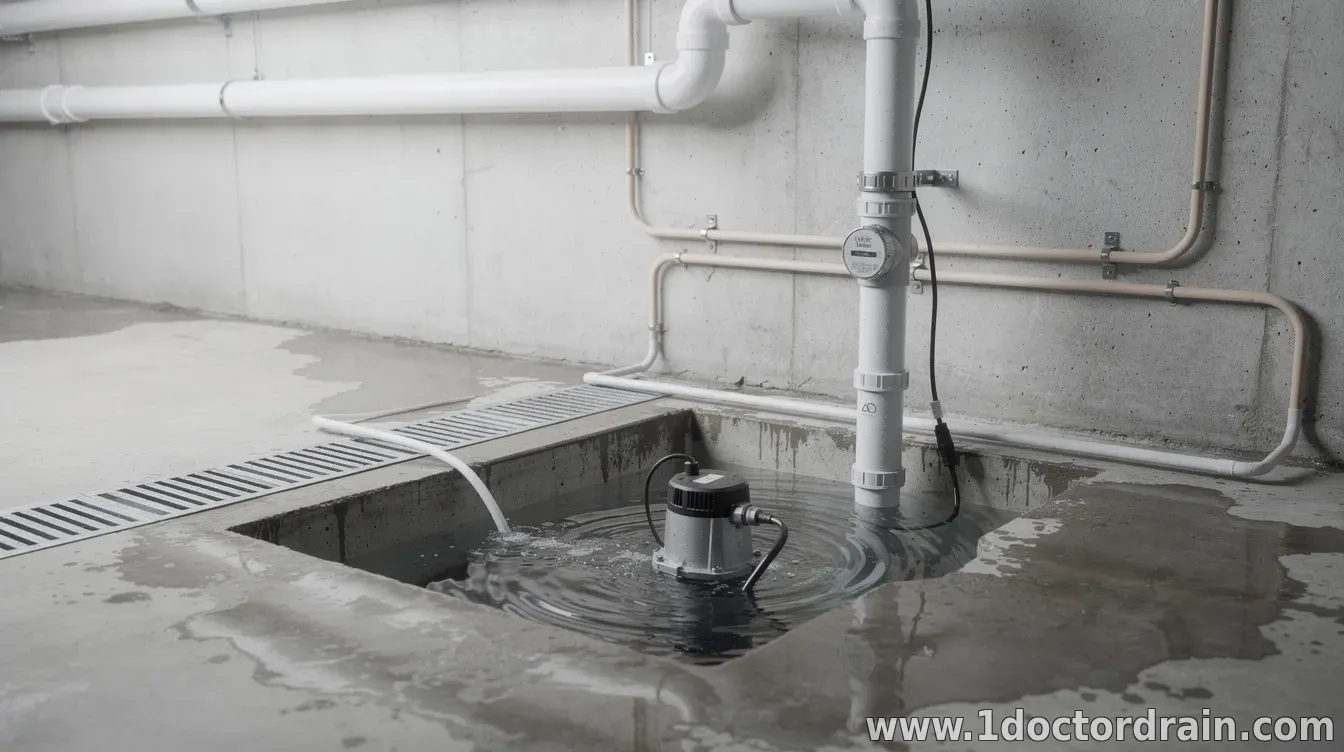
Selecting a sump pump is not just about flow rate—it’s about depth, pipe runs, and expected water levels. Common baselines include the depth of the sump pit, the height water must be lifted (head pressure), and the total length and elevation of discharge piping.
Many homeowners benefit from pairing a pump’s performance curve with local conditions, especially in areas prone to heavy rainfall or high water tables. Proper basin sizing also matters: a pit that’s too small can lead to short cycling, while an oversized pit may delay activation and increase the time water sits before pumping begins. 3) Add discharge management and prevent re-entry
Even a correctly sized pump can underperform if discharge is mismanaged. Discharge should direct water away from the foundation and toward a safe drainage area, using appropriately routed piping and secure connections.
Installers often check for components that prevent backflow—such as check valves—and ensure the discharge line is sealed and properly pitched. Without these protections, water can migrate back into the sump or adjacent areas after the pump stops, especially during fluctuating storm conditions. 4) Build in redundancy with backup power and alarms
Power outages and circuit trips frequently coincide with storms, creating a dangerous window when water rises faster than a primary pump can respond. A robust plan typically includes a battery backup system or generator integration, plus a high-water alarm that alerts occupants if the water level exceeds normal operation.
Backups also extend operational confidence over time. Alarms and testable backup components give homeowners early warning, helping them intervene before water reaches finished areas or critical utilities. 5) Maintain the system to keep it reliable
Maintenance is often where performance is won or lost. Regular checks can include verifying the pump inlet is unobstructed, confirming the discharge path is clear, testing float switches, and inspecting the condition of check valves.
Contractors also recommend periodic testing during dry conditions to ensure the system activates as expected. Keeping records of test results, service dates, and any component replacements can streamline future troubleshooting and improve long-term reliability.
For homeowners planning upgrades, the most effective strategy is to treat drainage and pumping as a system rather than separate projects. By addressing grading and downspout discharge, selecting a pump matched to site requirements, managing discharge safely, adding redundancy, and maintaining routinely, properties are better protected against both gradual seepage and sudden storm surges.
| |
|
| |
CALL ☎ Subscribe 👆
Next & Previous posts
CONTACT US 📩
Submit the form, we'll contact you as soon as possible!