1:36 AM How Heavy Rainfall Affects Sewer and Drain Lines in Chicago Suburbs | |
|
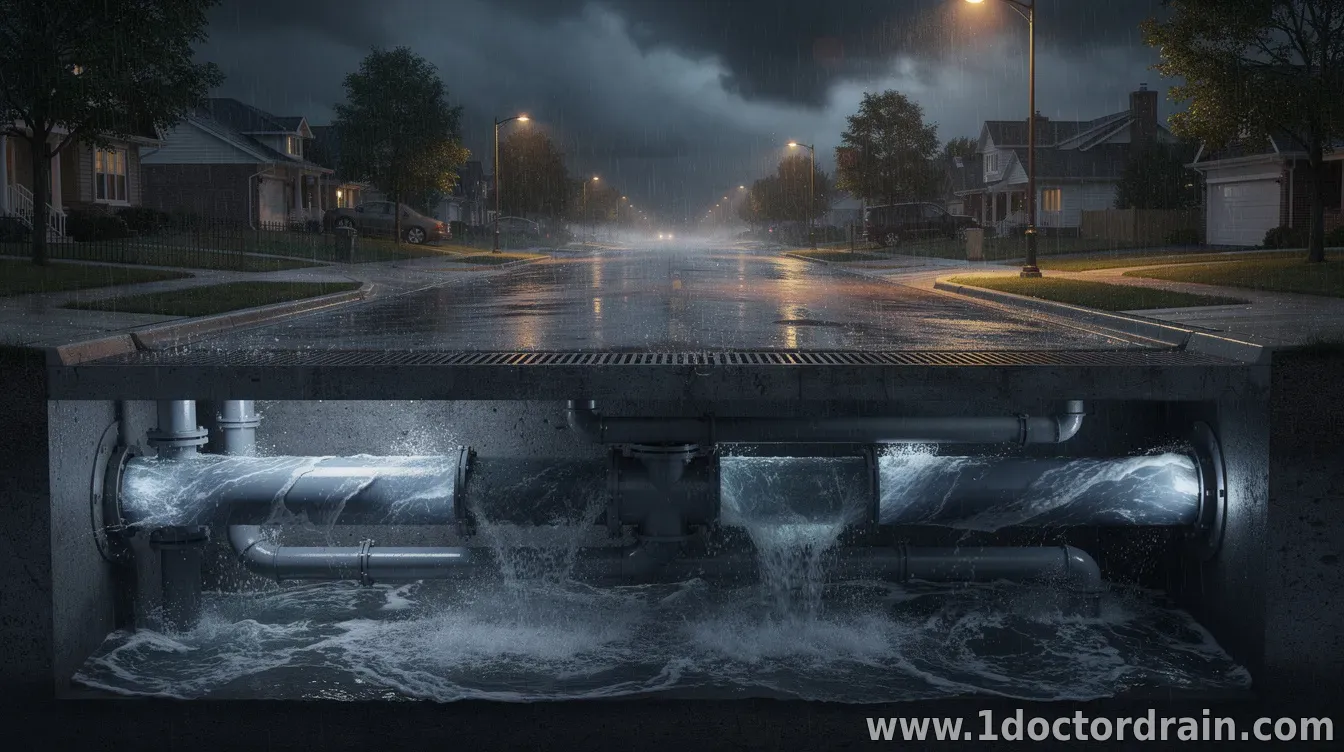
In the Chicago suburbs, downpours can move faster than stormwater systems were designed to handle. When heavy rainfall hits, sewer and drain lines can become overwhelmed, leading to surcharging (water backing up in pipes), street flooding, and in some cases sanitary sewer backups into basements.
While most residents know that “a lot of rain” is a problem, the mechanism is more specific: stormwater and wastewater flows can exceed pipe capacity, hydraulic pressure can rise, and water can find pathways into homes or low-lying areas—especially when drains and inlets are blocked or when the ground is already saturated. Why heavy rain strains sewer and drain infrastructure
Many areas in and around Chicago rely on aging underground networks that were built for different rainfall patterns than today’s extremes. During intense storms, the volume of water entering the system can spike quickly, leaving insufficient time for storage or controlled discharge.
In systems that combine stormwater and wastewater (or where stormwater can infiltrate or enter the collection system), heavy rain effectively turns “dry weather” wastewater pipes into high-flow conduits. This can push flows beyond what local sewers can safely carry, causing backups and overflows at manholes or other points. What happens inside the pipes during surcharging
Surcharging occurs when water levels in a sewer rise above the normal operating point. Instead of flowing downstream at atmospheric conditions, wastewater can be forced upward or backward through the network. Pressure differences matter: even a modest blockage near a neighborhood or along a lateral line can increase the likelihood of localized backing up during high flows.
Drain lines inside properties are also affected. Exterior yard drains, sump pumps, and foundation drains depend on gravity and properly functioning connections. If a nearby municipal sewer is surcharged, even a working sump pump can struggle because water outside may be at or above the elevation needed for normal discharge. Common triggers: saturated ground, clogged inlets, and construction impacts
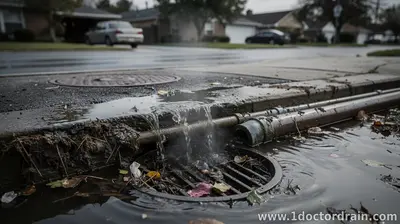
Several factors often combine with heavy rainfall to worsen conditions. Saturated ground from prior storms reduces infiltration, increasing the amount of runoff that reaches storm inlets and sewer lines. Clogged grates and blocked curb inlets—sometimes from leaves, trash, or sediment—can delay drainage and raise local water levels.
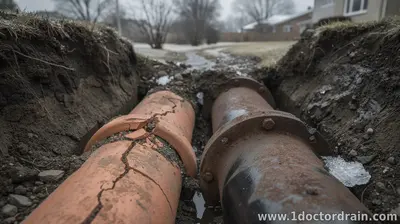
Subsurface conditions can also play a role. Roots, grease accumulation, and aging joints may reduce pipe capacity or create points where debris catches. In some neighborhoods, recent construction or infrastructure upgrades can temporarily change flow paths or affect how water is directed toward drainage outlets. Health and property risks during storm events
When backups occur, water can carry contaminants from wastewater lines, creating sanitary risks. Basement flooding can damage heating systems, electrical panels, drywall, and flooring. Even where the water doesn’t enter homes, flooded streets and standing water may create hazardous conditions for drivers and pedestrians.
After a storm, residents should watch for persistent dampness, slow drains, sewage odors, and recurring water seepage. These signs can indicate that a blockage, misconnection, or compromised drainage pathway remains after the rain has stopped. How utilities and residents respond
Utilities typically respond with a mix of operational adjustments and long-term system improvements. During high flows, agencies may activate storage or diversion strategies, coordinate maintenance, and monitor pressure and overflow points to reduce the impacts of surcharging.
Locally, residents can reduce risk by keeping curb inlets and downspouts clear, maintaining sump pump discharge lines, and avoiding sending grease or inappropriate materials into drains. Where basement backups are a recurring issue, professional assessment can determine whether a cleanout, check valve, or drainage rerouting is appropriate.
For the best outcomes, residents should also document storm impacts, report sewer problems promptly to their local utility, and follow safety guidance before entering flooded areas. What to expect next as rainfall patterns intensify
As extreme rainfall events become more frequent, the pressure on sewer and drain lines in the Chicago suburbs is likely to grow. Many communities are investing in upgrades such as reducing inflow and infiltration, expanding storage capacity, and improving stormwater management to better handle peak flows.
In the meantime, the most practical approach is preparedness: understand how your property drains, keep drainage pathways clear, and act quickly when surcharging signs appear. With heavy storms, early response can make the difference between localized nuisance flooding and more serious basement or infrastructure damage.
| |
|
| |
CALL ☎ Subscribe 👆
Next & Previous posts
Related materials:
CONTACT US 📩
Submit the form, we'll contact you as soon as possible!