
2:11 AM Sump Pump Maintenance Checklist for Illinois Homeowners | |
|
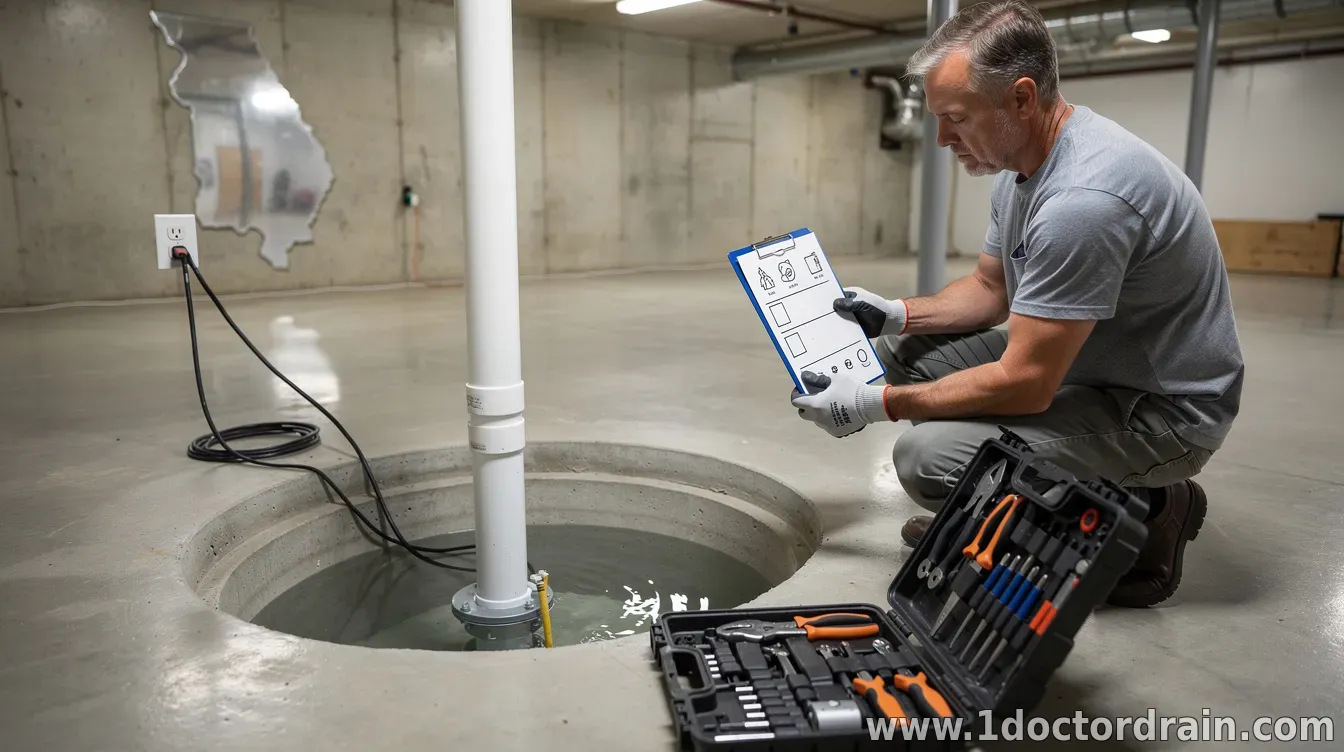
Sump pumps are your basement’s first line of defense against groundwater and heavy rain—especially in Illinois, where freeze-thaw cycles and spring storms can stress equipment. A simple, seasonal maintenance routine can help you catch problems early and reduce the odds of a basement backup during peak conditions.
Note: If your sump pump shows signs of failure (continuous running, strange noises, no water movement, or frequent tripping), address the issue promptly or contact a qualified plumber/electrician. Monthly checks (every month during wet seasons)
Even if your system looks fine, quick observations can reveal early warning signs. Listen for unusual sounds from the motor, confirm the pump is not running continuously, and inspect the discharge area to make sure water is flowing away from your home.
Check that the discharge line isn’t blocked or frozen and that the outlet discharges downhill or to an appropriate drainage area. Also, look for water pooling near the sump pit, which can indicate poor drainage or an obstructed drain tile connection. Test the pump regularly
Use the built-in float switch or a manufacturer-approved test method to confirm the pump turns on and pumps water effectively. When you test, ensure the water level rises as expected, the pump activates, and the water discharges properly.
If your pump uses a removable discharge line section or an alarm test feature, follow the specific instructions in your owner’s manual. Avoid improvised methods that could damage switches or overflow protection. Before storm season and during spring
Inspect the sump pit for debris buildup—silt, leaves, sediment, or small objects—that can prevent the float from moving freely. Clean only what you can safely reach; avoid throwing tools into the pit or damaging seals and fittings.
Confirm the check valve is working (when water flows out, it should prevent backflow). A failing check valve can cause the pump to run more often and can allow water to return toward the pit after the pump shuts off. Before winter: protect against freezing
Illinois winters can freeze discharge lines and expose basement plumbing to ice-related issues. If your discharge pipe runs through areas that could freeze, evaluate insulation and routing. Ensure the outlet location is designed to prevent ice buildup that could block flow.
Consider using the manufacturer-recommended approach for cold weather protection. In extreme climates, many homeowners add insulation around vulnerable pipe sections and verify that water is moving during cold snaps rather than sitting and freezing. Check electrical safety and power reliability
Make sure the power connection is secure and that the outlet is functioning. If your sump pump is plugged into a dedicated outlet, confirm it is not controlled by a wall switch and that no extension cords are used unless the pump’s manual explicitly allows it.
If your area is prone to outages or your pump is critical for preventing basement flooding, strongly consider a battery backup system for the pump and alarm, or a professionally evaluated battery/backup plan that matches your equipment. Watch the alarm (if you have one)
Sump pump alarms can alert you when water levels rise too high or when the pump fails. Test the alarm according to the manual and verify the audible and/or visual signals work. If your alarm uses a battery, check it periodically and replace it on the schedule recommended by the manufacturer. Seasonal maintenance schedule (quick reference)
Keeping your sump pump system in good shape is one of the most effective ways to protect an Illinois home during heavy rains and winter freeze-thaw cycles. Use the checklist above as a baseline, follow your pump’s manual for manufacturer-specific instructions, and don’t hesitate to involve a licensed professional when electrical work, major component replacement, or persistent pump issues are involved.
| |
|
| |
CALL ☎ Subscribe 👆
Next & Previous posts
Related materials:
CONTACT US 📩
Submit the form, we'll contact you as soon as possible!