1:08 AM Toilet Clogs vs. Sewer Line Problems: How to Tell | |
|
When a toilet backs up, it’s tempting to assume the worst. But many clogs are limited to the toilet itself or the local drain line serving that fixture. Others indicate a potential sewer or mainline problem—often requiring different tools, a different response, and sometimes professional intervention. Start with what the toilet does (and how fast)
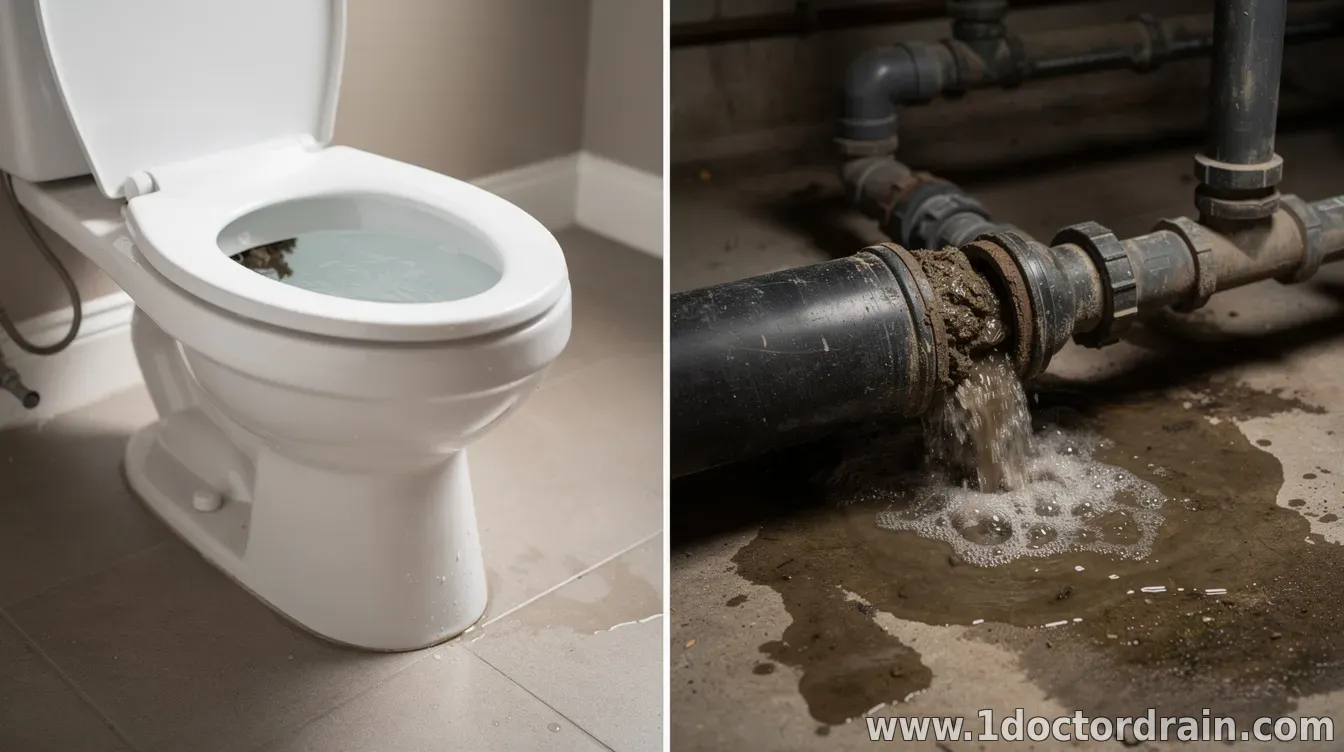
If water rises in the bowl after flushing and then drains slowly or not at all, the blockage is often close to the toilet. A straightforward toilet clog commonly happens after using too much toilet paper, flushing non-flushable items, or experiencing a partial blockage that gradually worsens.
In contrast, signs of a broader blockage tend to appear quickly and consistently—especially when multiple drains behave the same way during the same timeframe. Check other fixtures: the biggest tell
A practical way to distinguish toilet-only problems from sewer-line issues is to test nearby drains. If you notice the toilet backing up and other fixtures show symptoms at the same time, the problem may be in the shared plumbing path.
Look for backups in sinks, showers, tubs, or laundry drains—especially when they gurgle or drain very slowly while the toilet is affected. Gurgling and slow drains can point to mainline trouble
Gurgling sounds from drains during flushing are a strong indicator that air is being pushed back through the plumbing. When gurgling is isolated to the toilet, it can still suggest a toilet or trap-related blockage. But if gurgling occurs across multiple drains, it often supports a sewer-line or main drain obstruction.
Slow draining in multiple fixtures—particularly after flushing—can also mean the clog is farther downstream than the toilet’s immediate plumbing. Watch the water: does it rise everywhere?
Another differentiator is where the backup appears. If only the toilet bowl fills, the issue is more likely localized. However, if sewage-like water backs up into other drains—or if you see water collecting around floor drains or in areas connected to the main line—treat it as a possible sewer-line problem.
Also consider the timing: sudden, repeated incidents after little to no plumbing use can indicate a developing blockage in the mainline rather than a one-off toilet mishap. Smell and residue offer clues (but don’t rely on them alone)
Persistent foul odors near multiple drains, especially after flushing, can suggest sewer-line gas or trapped waste in the broader system. Local toilet clogs can also create unpleasant smells, so use odor as a secondary signal—not the only deciding factor.
If there’s visible residue or water where it shouldn’t be, prioritize safety and consider professional help, particularly when sewage is involved. What to do next: simple steps for toilet clogs
If the symptoms look confined to the toilet, you can often start with safe, non-destructive troubleshooting: stop using the toilet, avoid chemical “miracle” cleaners, and try a proper toilet plunger. A flange plunger and firm, repeated plunging can dislodge paper or minor blockages.
If plunging doesn’t resolve it, a plumber may use tools that can reach the blockage without damaging pipes. If you suspect an item is lodged in the toilet, do not force it further down. When to call a plumber for sewer-line concerns
Consider contacting a professional sooner if you’ve confirmed multi-fixture backups, widespread gurgling, recurring episodes, or backups that extend beyond the toilet. Sewer-line issues can involve deeper obstructions, tree-root intrusion, collapsed sections, or more serious buildup that needs inspection.
Plumbers typically use cameras to locate the problem and select the right method—whether it’s jetting, mechanical clearing, or repair—rather than guessing.
By comparing how the toilet behaves with what other drains are doing, you can narrow the cause quickly. Toilet clogs are often manageable with basic steps, while sewer-line problems tend to show broader patterns. If symptoms spread or involve sewage backups, prioritize safety and get professional help to prevent damage and reduce downtime.
| |
|
| |
CALL ☎ Subscribe 👆
Next & Previous posts
Related materials:
CONTACT US 📩
Submit the form, we'll contact you as soon as possible!