3:31 AM Main Line vs Branch Line Clogs: Symptoms & Fixes | |
|
A clogged drain is frustrating, but not all clogs start in the same place. A main line clog typically affects multiple fixtures, while a branch line clog is usually limited to specific sinks, tubs, or toilets. Spotting the pattern quickly can help you choose the right troubleshooting path—and avoid unnecessary damage. Main line clogs: the “whole home” signal
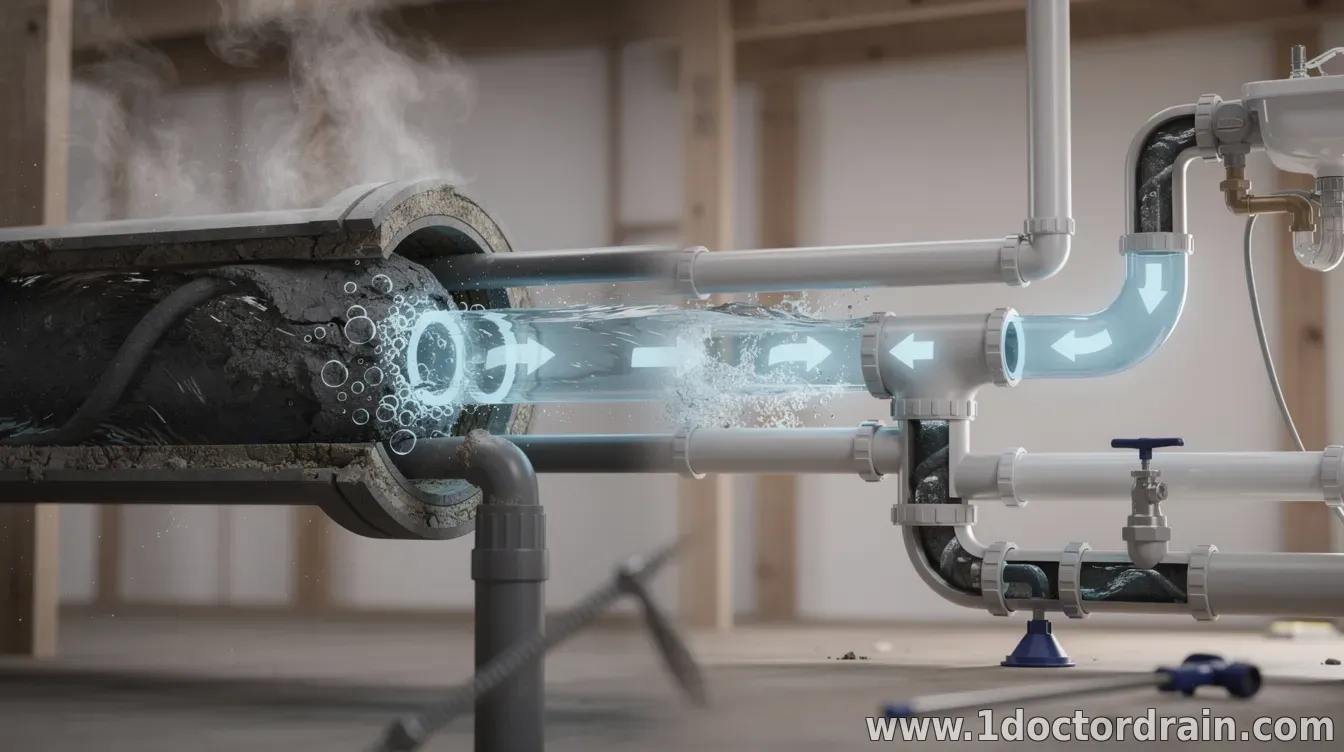
The main line is the large sewer or septic pipe that carries waste from your home to the municipal sewer or the septic system. When this line is restricted, the backup often shows up broadly because multiple plumbing fixtures are effectively feeding into the same bottleneck.
Common symptoms of a main line clog include: slow or backed-up drainage in several fixtures at once (for example, toilets, sinks, and tubs), gurgling sounds from multiple drains, and recurring backups even after using a plunger on a single fixture. Branch line clogs: the “one area” problem
lines are smaller pipes that connect individual fixtures (or groups of fixtures) to the main line. Because they serve a narrower section of your plumbing, blockages in these pipes usually create localized symptoms rather than whole-home issues.
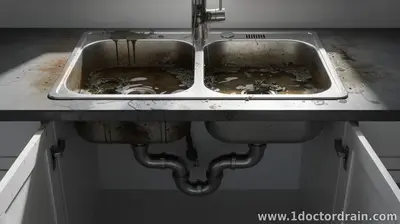
Common symptoms of a branch line clog include: slow drainage or backup on one specific fixture or nearby set of fixtures, odors that seem concentrated near a bathroom or kitchen, and a more isolated pattern—plunging the affected toilet/sink may temporarily help while unaffected drains continue working normally. Different causes, different solutions
While both clog types can be caused by debris buildup, they often point back to different “culprits.” Main line clogs are commonly associated with larger-scale obstructions such as grease accumulation, tree-root intrusion (especially in outdoor runs), or sediment build-up. Branch line clogs are frequently tied to fixture-specific materials like hair, soap scum, food particles, or bathroom wipes that don’t break down like toilet paper.
That matters because the right fix depends on where the blockage is.
For branch line clogs: start with the least invasive option. Use a plunger matched to the fixture (toilet plunger for toilets, flat plunger for sinks/tubs). If the problem stays confined, a drain snake or auger targeted at that fixture’s cleanout may resolve it. Avoid overdoing chemical drain cleaners—especially if you’re unsure where the clog is—because they can damage pipes and complicate later diagnostics.
For main line clogs: frequent backups across multiple fixtures are a strong indicator that DIY efforts may be limited. Even if a plunger works briefly, it may not clear the obstruction deep in the main line. Professional tools such as sewer cameras and hydro-jetting are often the most effective approach because they let technicians confirm the location and clear the blockage without guessing. What to do next: a quick decision checklist
If you’re trying to determine which line is affected, the goal is to watch the pattern of symptoms. The more consistent the pattern across fixtures, the more likely the issue involves the main line.
For safety, if sewage is rising, toilets won’t drain at all, or you suspect roots or major obstruction in the main line, it’s usually best to stop DIY attempts and call a licensed plumbing professional.
In short: main line clogs are the “many fixtures affected” problem, while branch line clogs are typically “one area affected.” Use the symptom pattern to guide your next step—then choose the fix that matches the line you’re likely dealing with.
| |
|
| |
CALL ☎ Subscribe 👆
Next & Previous posts
Related materials:


CONTACT US 📩
Submit the form, we'll contact you as soon as possible!