1:13 AM Back-to-School Laundry Woes: When Drains Get Overloaded | |
|
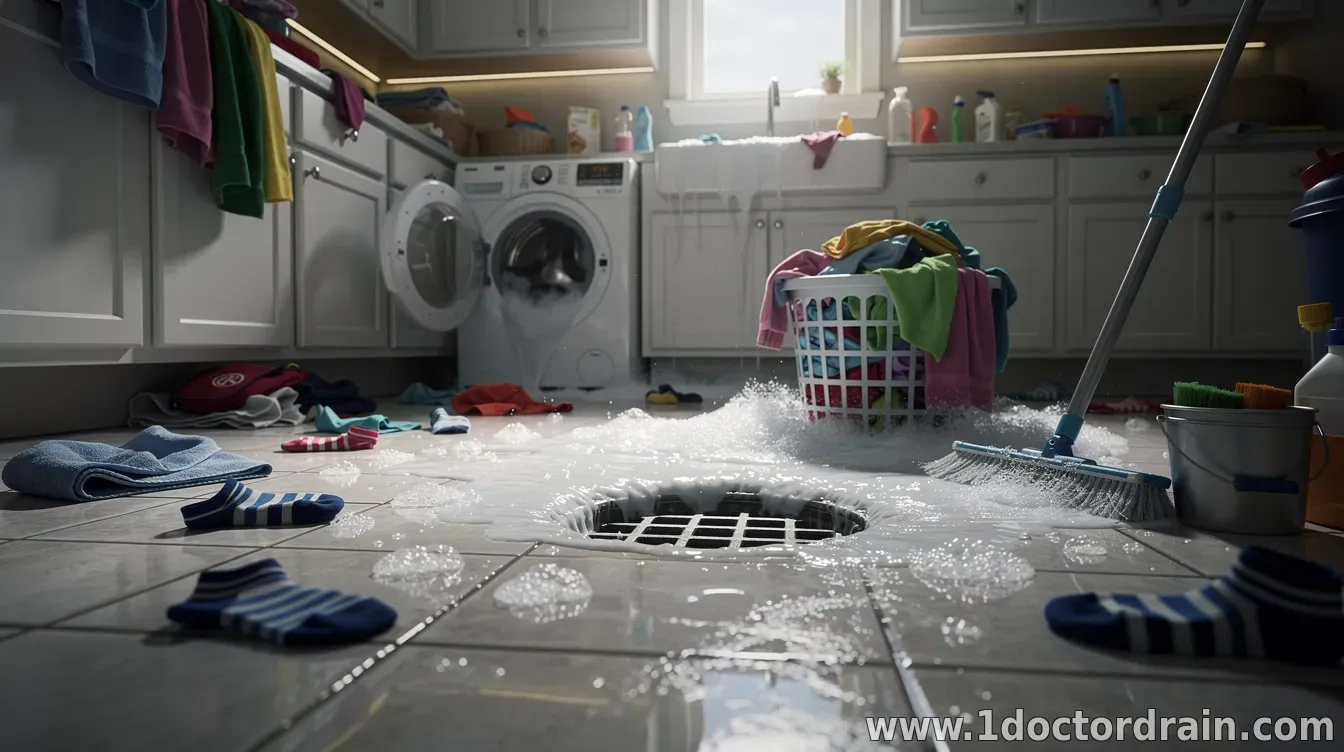
Back-to-school season typically brings a surge in laundry: more uniforms, more sports gear, and faster turnaround between washes. For many households, that increase also exposes a problem hiding in plain sight—an overloaded or already-fragile laundry room drain that can’t handle the added volume.
When the drain struggles, symptoms often appear gradually: water draining slowly after a wash, unpleasant smells lingering near the standpipe, or gurgling sounds when the washer empties. In more severe cases, backups can occur, turning a routine chore into a messy, time-sensitive cleanup. Common causes during high-volume laundry weeks
Detergent residue is one of the biggest culprits. Modern soaps and softeners can leave behind films that build up on pipe walls over time, especially when the laundry routine increases. Add heat, frequent loads, and occasional “extra detergent” to combat stains, and buildup can accelerate.
Lint is another frequent driver. Even when garments look clean, dryer lint, fabric fibers, and small debris can migrate through washing cycles and accumulate where water slows down—often near bends, the standpipe, or the main drain connection.
Vent-related issues can worsen the situation. If the venting system isn’t clearing air properly, the drain may move water slowly regardless of how carefully laundry is scheduled. During peak usage, that underlying problem becomes more noticeable. How to diagnose the problem before it worsens
A quick, non-invasive checklist can help narrow down what’s happening. Pay attention to whether the slow draining is limited to the laundry sink, affects other fixtures in the home, or only occurs during washer drain cycles. If multiple drains back up, the issue may be deeper in the home’s plumbing.
Also look for visual and sensory cues. Persistent gurgling during wash-outs can suggest a partial clog or venting restriction. Odors near the drain often align with trapped residue or a buildup layer that captures waste and holds smells.
While homeowners can take safe first steps, it’s important to avoid “guess-and-go” approaches that could make things worse—particularly if you suspect a clog beyond the visible trap or if water is backing into the laundry area. Safer ways to reduce risk and keep water flowing
Reduce the load on your drain without changing your routine completely. Consider running fewer large loads when possible, rather than combining everything into a single heavy cycle. Use detergent carefully according to the manufacturer’s dosing—especially if you have hard water, where residue tends to form more quickly.
Use a lint-management strategy that limits what reaches plumbing. Clean the washer’s filter areas if your model has them, and ensure dryer lint is not washed unintentionally back into the system via towels or garment transfers.
From a maintenance standpoint, periodic cleaning can help keep residue from hardening into blockages. A manufacturer-recommended washer cleaning cycle, combined with occasional drain maintenance that’s appropriate for your plumbing type, may reduce the chance of sudden backups during high-use months. When to call a plumber
If water is repeatedly backing up, drains are slow across multiple fixtures, or you notice recurring clogs that return after short intervals, a licensed plumber can inspect the system more thoroughly—often with specialized tools to confirm where the obstruction is located. That can prevent repeated cleanups and reduce the risk of damage to fixtures and finishes.
With back-to-school laundry peaking, it’s also easy to miss early warning signs. Addressing slow drainage and odors promptly is usually cheaper than responding to a full backup after the next busy wash day.
Bottom line: The laundry room drain may not be failing—it may simply be overwhelmed by seasonal demand plus residue and lint buildup. Monitor the early symptoms, adjust detergent use, manage lint, and consider professional help when the problem persists.
| |
|
| |
CALL ☎ Subscribe 👆
Next & Previous posts
Related materials:

CONTACT US 📩
Submit the form, we'll contact you as soon as possible!