3:48 AM Bathroom Sink Slow to Drain: Causes and Fixes | |
|
A bathroom sink that drains slowly is more than an inconvenience—it’s often a sign that debris is building up somewhere in the drain line. While some causes are easy to fix at home, others require more targeted checks to prevent recurring clogs.
Below are the most common reasons bathroom sinks drain slowly, along with practical ways to troubleshoot and resolve each issue safely. Hair, soap scum, and everyday debris
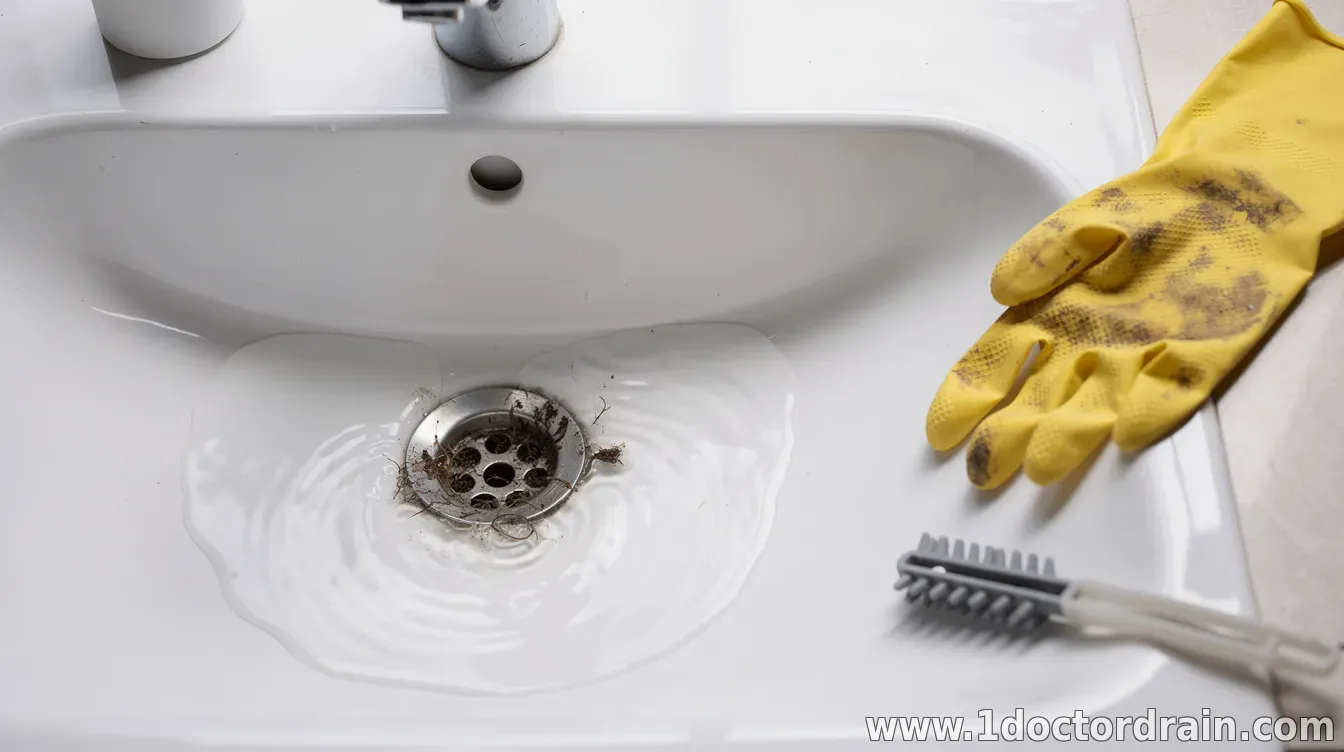
The most frequent culprit is a partial blockage formed by hair, soap scum, toothpaste residue, and mineral buildup. This kind of gunk tends to collect around the drain opening, in the stopper mechanism, or just below the sink where flow first slows.
Start by removing any visible debris from the drain strainer. If your sink has a removable stopper, take it out and clean it thoroughly. For deeper buildup, use a drain brush or flexible tool designed for household sinks, working gently to avoid damaging pipes. The P-trap is partially clogged
Many bathroom sinks have a P-trap underneath that catches debris before it reaches the main plumbing. When hair and residue accumulate inside the trap, water may drain slowly and sometimes leave standing water.
Place a bucket under the P-trap, then loosen the slip nuts to remove it. Clean out the debris, check the inside of the trap for sludge, and reinstall it securely. After reassembly, run water to confirm improved drainage and check for leaks at the connections. Vent or plumbing issues affecting flow
Less obvious but important, drainage can slow if the plumbing vent is blocked or not functioning properly. A vent problem can restrict air movement, causing water to drain sluggishly and sometimes producing gurgling sounds.
If you notice gurgling in the sink, slow drainage across multiple fixtures, or odors returning quickly, consider that the issue may be higher in the plumbing system. In these cases, contacting a licensed plumber can save time and reduce the risk of unnecessary trial-and-error. Mineral buildup in older drain lines
In homes with hard water, mineral deposits can gradually narrow drain lines. Over time, even without a “full clog,” restricted flow leads to persistent slow drainage.
For mild mineral buildup, follow the product directions for sink-safe descaling solutions, and never mix chemicals. If slow drainage continues after cleaning the accessible parts of the drain, the next step may be a professional inspection and, if needed, pipe cleaning. Chemicals and plunging: what to use carefully
Many people reach for chemical drain cleaners first, but they can be ineffective against hair-and-gunk clogs and may create hazards when used improperly. Instead, focus on mechanical cleaning (strainer/stopper removal, P-trap cleaning, or a gentle drain snake).
Use a plunger only if you can create a proper seal and if the clog is likely near the sink. Avoid forceful plunging when you suspect a venting or deeper plumbing issue.
For most slow-draining sinks, the quickest path to a long-term fix is cleaning the strainer and stopper, clearing the P-trap, and then testing drainage. If the problem keeps returning, affects other fixtures, involves gurgling, or seems tied to vents or mineral buildup, a plumber can diagnose the cause more precisely.
| |
|
| |
CALL ☎ Subscribe 👆
Next & Previous posts
Related materials:
CONTACT US 📩
Submit the form, we'll contact you as soon as possible!