NEWS

Home NEWS

☎ 000-000-0000

Drain сleaning serviсe, clogged drain, sewer cleaner, IL


Laundry Lint Traps: A Simple Fix for Common Drain Problems

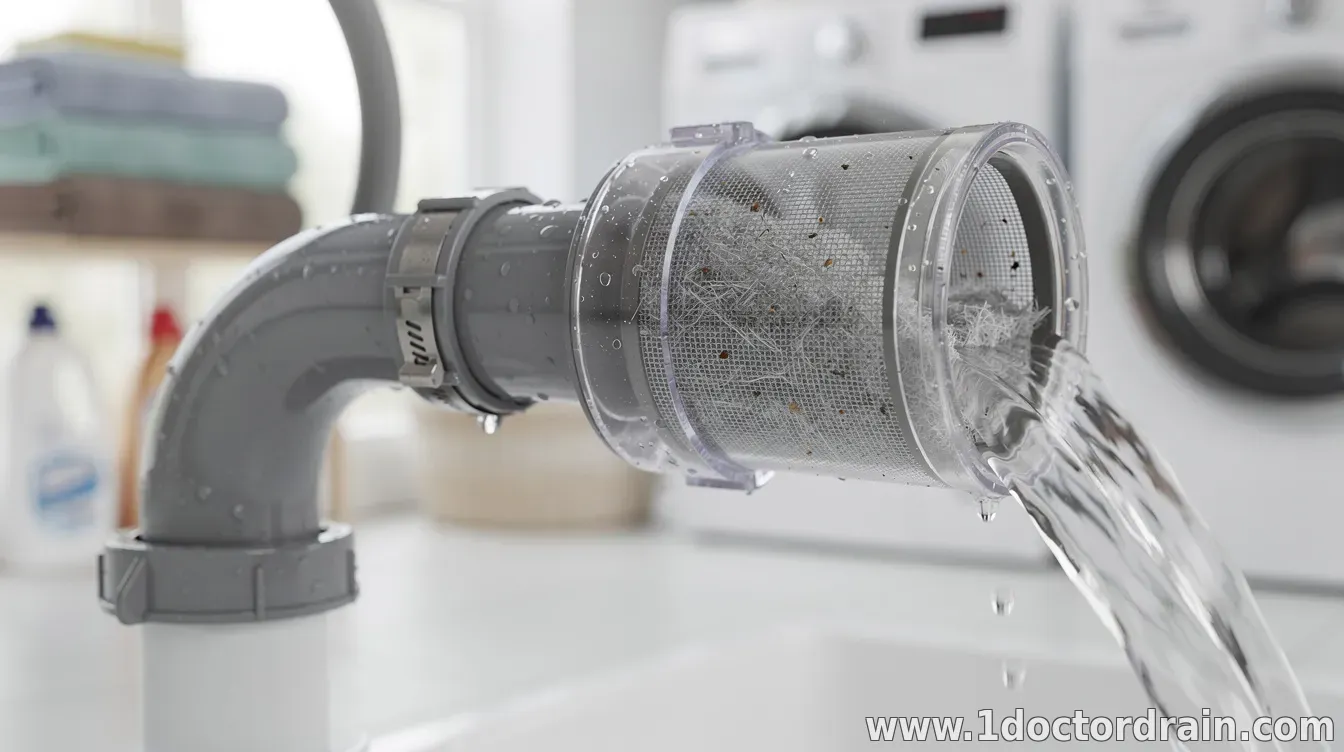
Laundry Lint Traps: A Simple Fix for Common Drain Problems


Slow-draining sinks, recurring clogs, and musty smells are often blamed on hair or grease—but laundry lint is an underappreciated culprit. Tiny fibers shed from towels, synthetic fabrics, and everyday clothing can travel through washing machine drain lines and accumulate over time.


Lint traps offer a straightforward solution: they intercept loose fibers before they reach the plumbing system. The result is typically cleaner drains, fewer backups, and easier maintenance for homeowners.


Why laundry lint causes drain problems


When laundry is washed, fabric shedding is normal. Over repeated loads, lint can combine with soap residue and other debris, forming a sticky mat that narrows pipes. Even if water initially drains, gradual buildup can eventually trigger backups or require more aggressive cleaning.


This issue is especially common in households that frequently wash towels, fleece, or ... Read more »


Added: admin 08/29/2026 into the category «Drain cleaning serviсe» Views: 141 Commets: 0
More


What a Drain Camera Inspection Can (and Can’t) Tell You

What a Drain Camera Inspection Can (and Can’t) Tell You


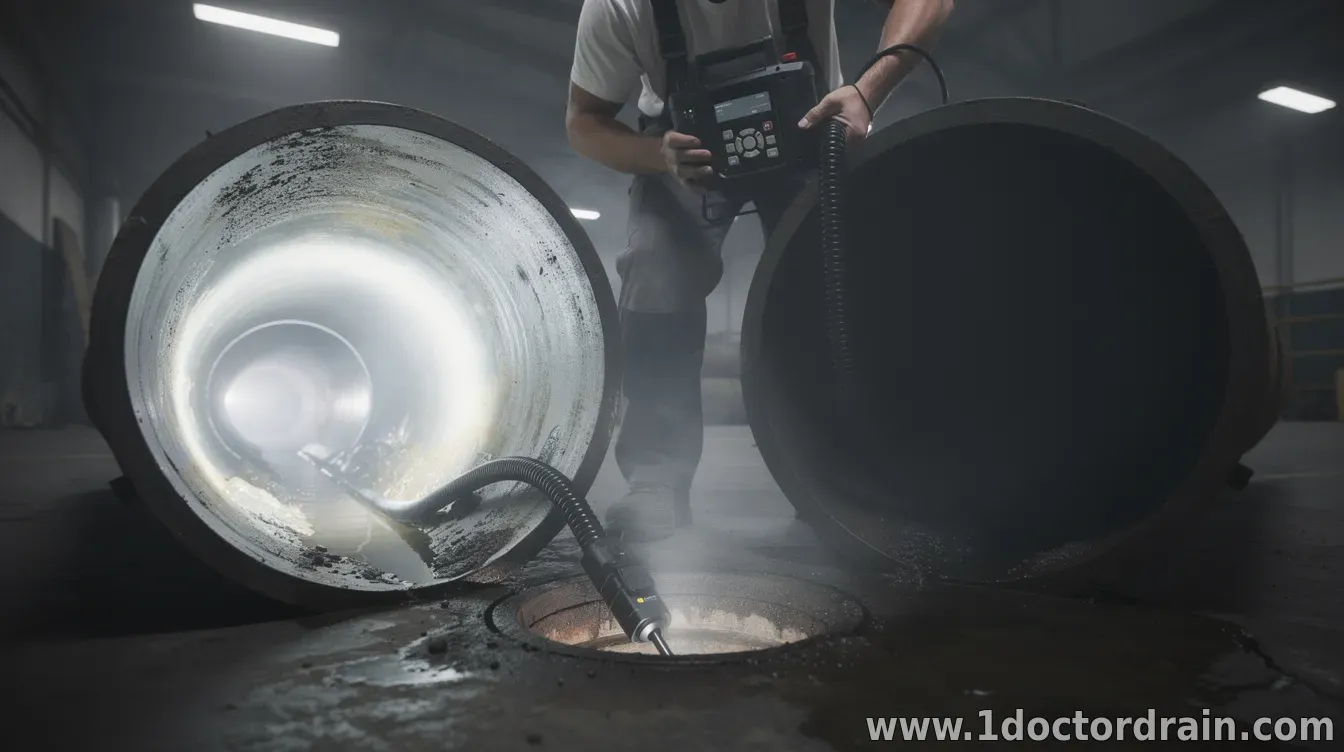
Drain camera inspections are often the fastest way to understand what’s going on inside a pipe. By sending a small, waterproof camera through the line and reviewing the footage, plumbers and sewer professionals can identify many common causes of slow drains, backups, and foul odors.


Still, camera work has limits. What the operator can see—and how clearly—depends on pipe condition, access points, and whether the problem lies within the camera’s field of view.


What a drain camera inspection can typically tell you


In many cases, video inspection can confirm the location and likely cause of a problem. The clearest findings tend to involve things the camera can directly observe through the pipe wall and surrounding flow conditions.


Key items camera inspections commonly reveal include:


Added: admin 08/28/2026 into the category «Drain cleaning serviсe» Views: 153 Commets: 0
More


Grease Trap Maintenance Schedules: How Often Is Enough?

Grease Trap Maintenance Schedules: How Often Is Enough?


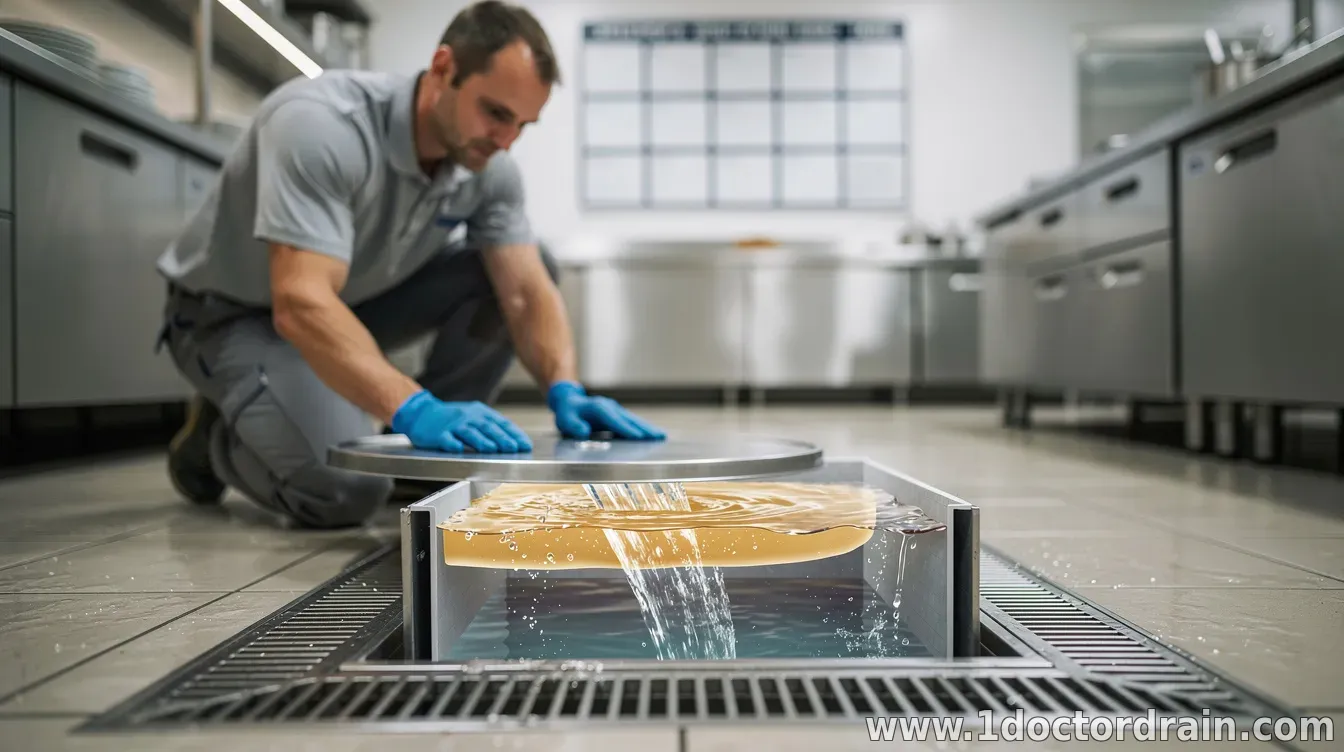
Grease traps are designed to intercept fats, oils, and grease (FOG) before wastewater reaches municipal sewer systems or treatment facilities. But like any equipment, their effectiveness depends on maintenance. If cleaning is delayed too long, FOG can accumulate, reducing capacity, clogging plumbing, and increasing the risk of sanitary sewer backups.


There is no single “universal” interval for every business. Restaurants, food processors, and other commercial kitchens differ widely in how much grease they generate and how quickly. Many jurisdictions also set minimum requirements or require documentation of service to ensure compliance.


Why maintenance frequency matters


As grease trap contents build up, the trap’s ability to separate solids and liquids declines. When capacity is exceeded, grease can pass through or obstruct internal baffles and flow paths, leading to slow drains, recurring odor ... Read more »


Added: admin 08/23/2026 into the category «Drain cleaning serviсe» Views: 155 Commets: 0
More


What Happens If Your Sump Pump Runs Constantly

What Happens If Your Sump Pump Runs Constantly


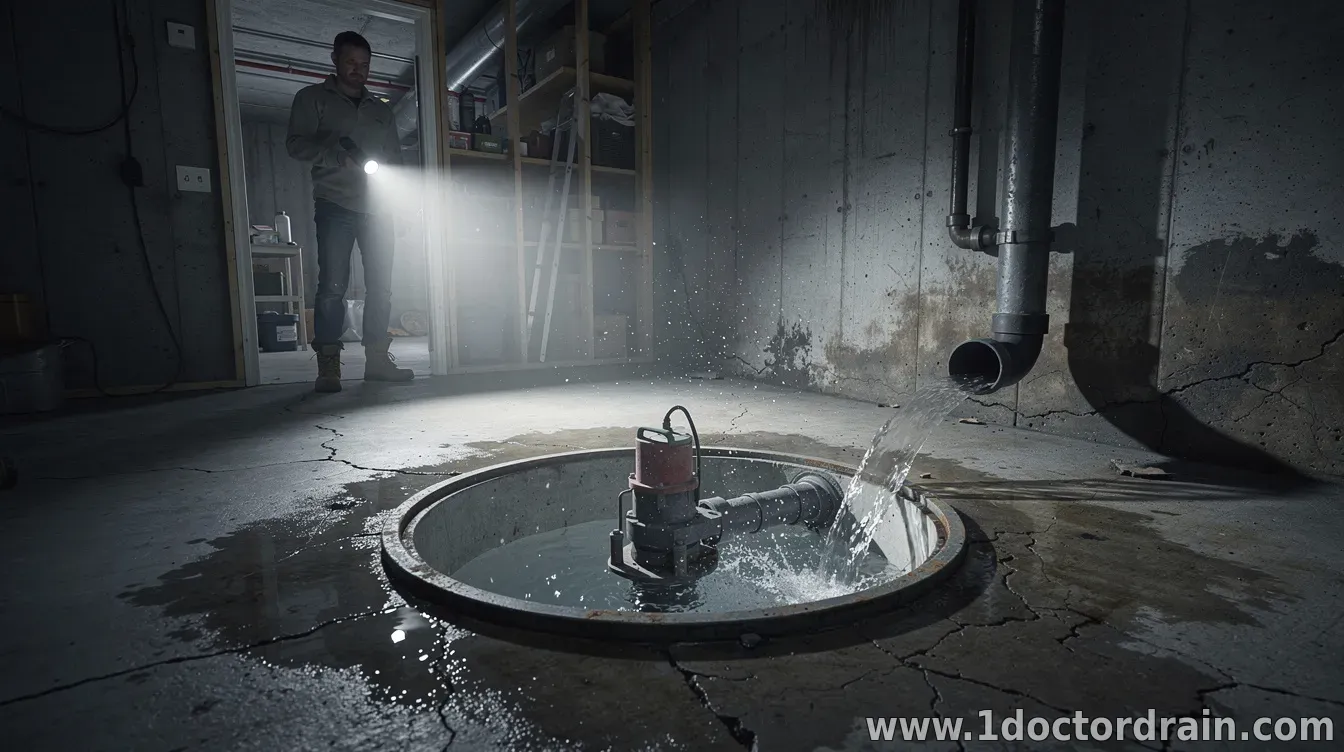
A sump pump is designed to operate when water levels rise—typically in short cycles. When it runs constantly, it’s a strong indicator that something in your drainage system isn’t keeping up with the groundwater coming into your home.


Even if the pump prevents flooding day after day, continuous operation can increase wear and tear and raise electricity usage. More importantly, persistent running can mean your pump is working at or beyond its capacity, leaving little buffer if conditions worsen during heavy rain or thawing seasons.


Why a sump pump runs constantly


Common causes include too much water entering the sump pit, a float or switch that’s stuck, or a pump that can’t move water fast enough. Sometimes the sump pit has poor drainage, a discharge line is blocked or frozen, or the check valve is failing—allowing water to flow back toward the pit instead of leaving the system ... Read more »


Added: admin 08/22/2026 into the category «Drain cleaning serviсe» Views: 156 Commets: 0
More


« 1 2 ... 8 9 10 11 12 ... 57 58 »