1:29 AM Why Both Sides Back Up: Double Sink Drain Issues | |
|
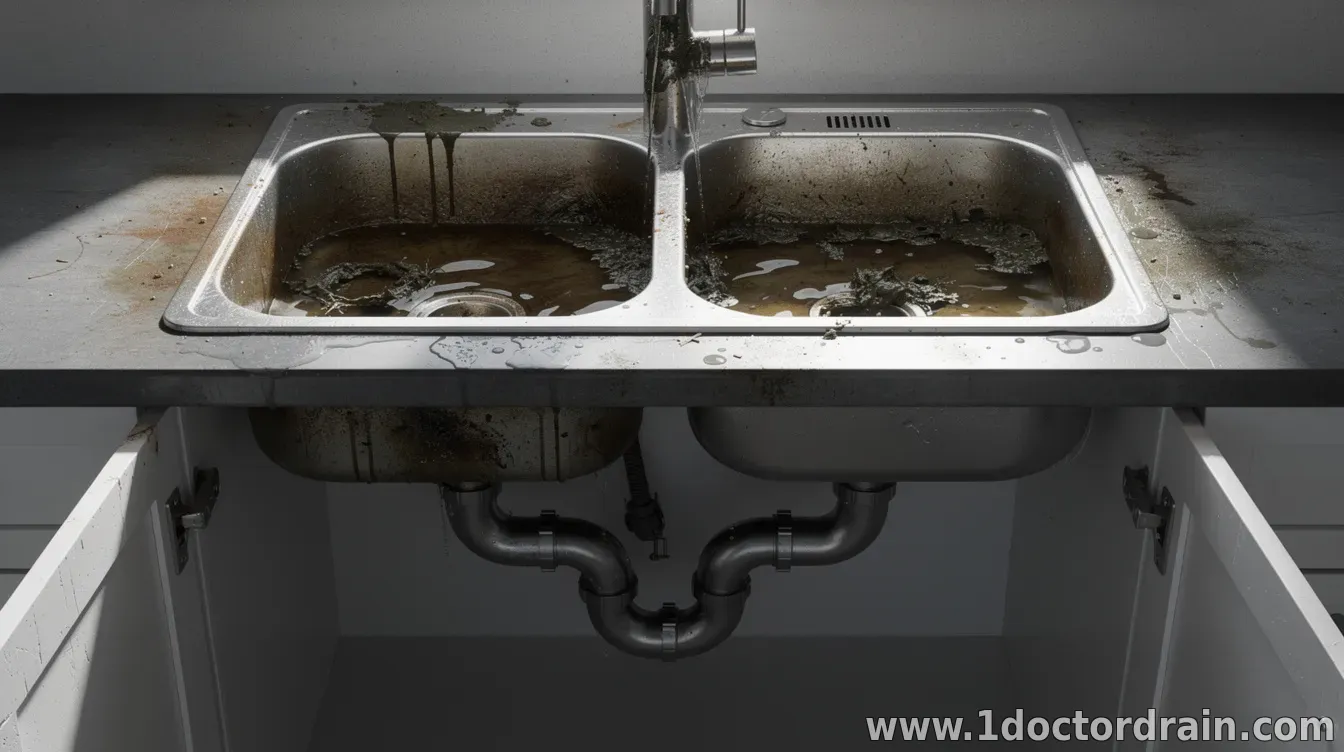
A double-basin sink that backs up on both sides at once is a strong clue that the plumbing system serving the two drains isn’t behaving like two separate lines. In many homes, the drains connect into a shared section of pipe, and a single obstruction (or venting problem) can quickly affect both basins. What “backing up together” usually means
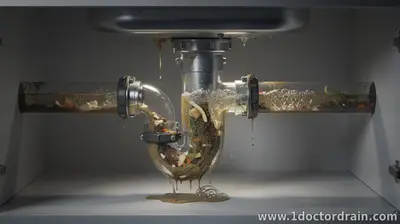
When one side fills and the other rises simultaneously, the backup path is typically common to both fixtures. That usually happens because the double sink empties into a shared horizontal run, a common trap area, or a single downstream connection to the main drain. Instead of a localized blockage limited to one basin, air and water can’t move properly through the shared portion of the system. Common causes to check first
1) Shared clog in the common drain line
2) Blocked or failing venting
3) Misalignment or installation issues between traps and piping
4) Overflowing due to a partial blockage Quick diagnostic approach (without overcomplicating it)
Before grabbing tools, observe how the problem behaves. If both basins back up at the same time and the sink area gurgles, suspect a shared downstream blockage or venting restriction. If one basin drains slower for a long time but the other is fine until you run the garbage disposal or a lot of water at once, the shared connection may be partially restricted.
Safer ways to resolve it
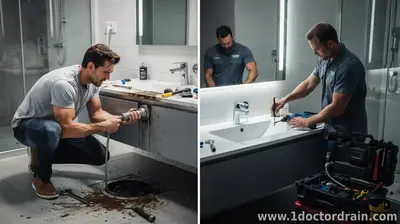
Start with the least invasive steps. Remove visible debris from the sink strainers and clean-out accessible sections near the trap if your setup allows it. If the backup suggests a deeper clog, a plumber’s auger (snake) can clear blockages in the shared run more effectively than household chemicals. Avoid corrosive drain cleaners, especially on older plumbing or septic systems, because they can damage pipes and make future repairs harder.
If you suspect a vent problem—such as recurring backups, slow draining across multiple fixtures, or symptoms after recent roof or weather-related changes—consider having a licensed plumber inspect the venting. Vent repairs can require access to wall or roof components and may be harder than clearing a drain. When to call a professional
Call a plumber promptly if water backs up repeatedly, if you notice leaks around trap fittings, if the clog seems to be beyond what a homeowner auger can reach safely, or if multiple drains in the home show similar symptoms. Persistent “both sides together” backups often indicate an issue in the shared drainage and vent system that’s best confirmed in person.
In short, simultaneous backups in a double sink typically mean the problem is shared—either a downstream clog in the combined drain line or a venting failure preventing proper airflow. Identifying which of those two categories fits your symptoms can save time and prevent unnecessary trial-and-error.
| |
|
| |
CALL ☎ Subscribe 👆
Next & Previous posts
Related materials:
CONTACT US 📩
Submit the form, we'll contact you as soon as possible!