4:22 AM Clogged Laundry Drain: Causes, Signs, and Practical Fixes | |
|
The laundry room is one of the most used spaces in a home, and a clogged drain can disrupt normal chores, raise water damage risks, and create inconvenient odors. Understanding why these clogs happen helps homeowners act quickly to prevent bigger problems.
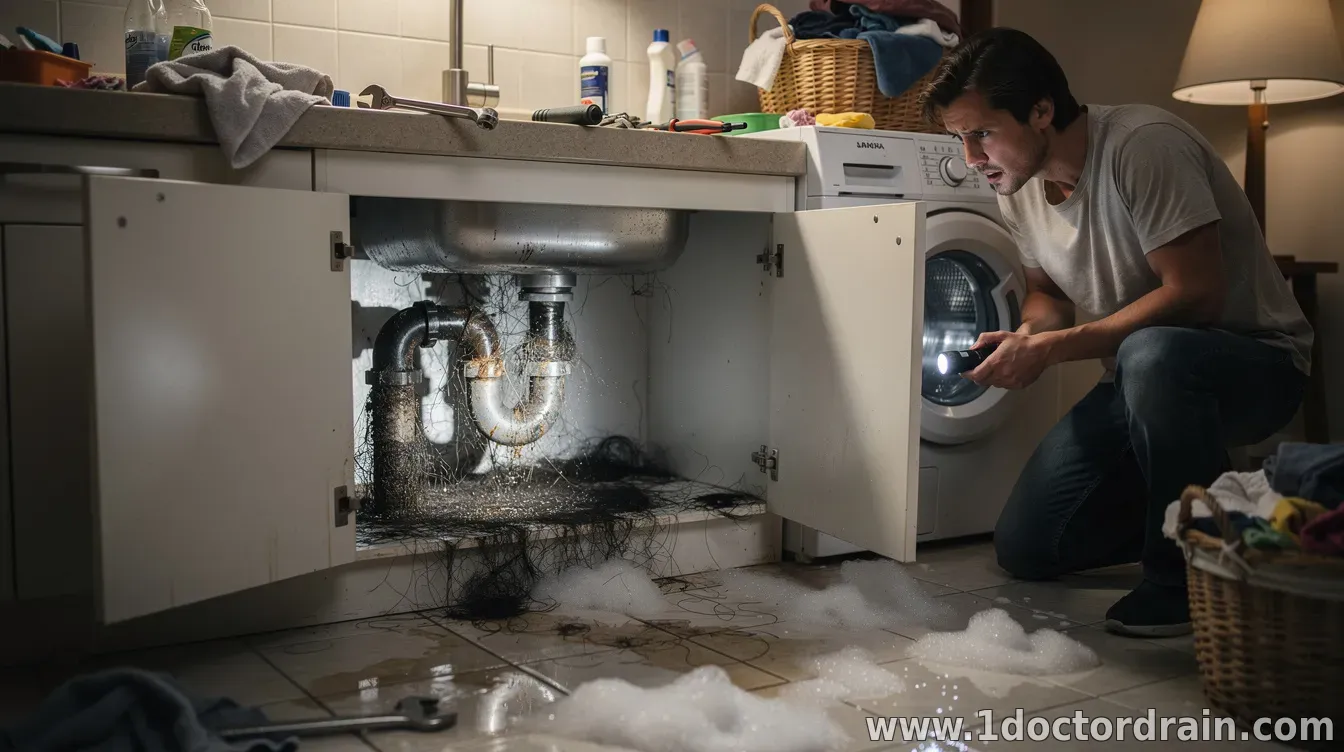
Causes to know: Laundry drains most often clog due to a buildup of lint, hair, fabric fibers, and soap scum that accumulate in pipes over time. In homes with older plumbing, mineral buildup or a poorly vented system can worsen slow drainage. Plastic toys, socks, or small clothing items occasionally find their way into the drain, creating a plug that blocks water flow. Warning signs and risks
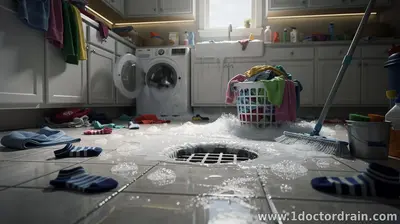
Look for slow draining water, standing water in the washer pan, gurgling noises, or backups into sinks and tubs connected to the same line. If the drain backs up after heavy use or the floor feels damp, there is a higher risk of mold growth and water damage, which can affect indoor air quality and structural integrity.
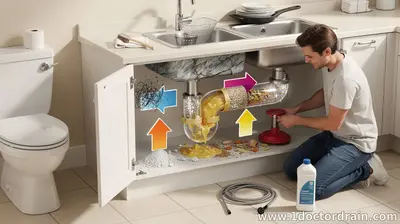
Do-it-yourself fixes: Start with simple steps like removing the trap under the washer (with a bucket to catch water), clearing hair and lint from accessible sections, and using a plunger designed for sinks. A bendable auger can reach clogs farther down the line. Avoid chemical drain cleaners for laundry lines, as they can damage pipes and harm septic systems in some homes.
If DIY methods don’t restore flow within a reasonable time, or if you notice persistent backups, leaks, or sewage odors, call a licensed plumber. A professional can perform a snaking or hydro-jetting service and inspect vents to pinpoint the problem and prevent future clogs. Prevention tips
Regular maintenance can reduce clogs: use a lint screen, clean the washer filter if your model has one, run hot water and a mild cleaning solution through the drain periodically, and avoid washing large quantities of lint-producing items at once. Consider installing a stainless-steel lint trap on the laundry outlet and checking the drainage line for proper slope and venting.
By staying proactive, homeowners can minimize disruptions and extend the life of their laundry plumbing, keeping clothes washing routines smooth and efficient.
| |
|
| |
CALL ☎ Subscribe 👆
Next & Previous posts
Related materials:
CONTACT US 📩
Submit the form, we'll contact you as soon as possible!