NEWS

Home NEWS

☎ 312-532-6435

Drain сleaning serviсe, clogged drain, sewer cleaner, IL


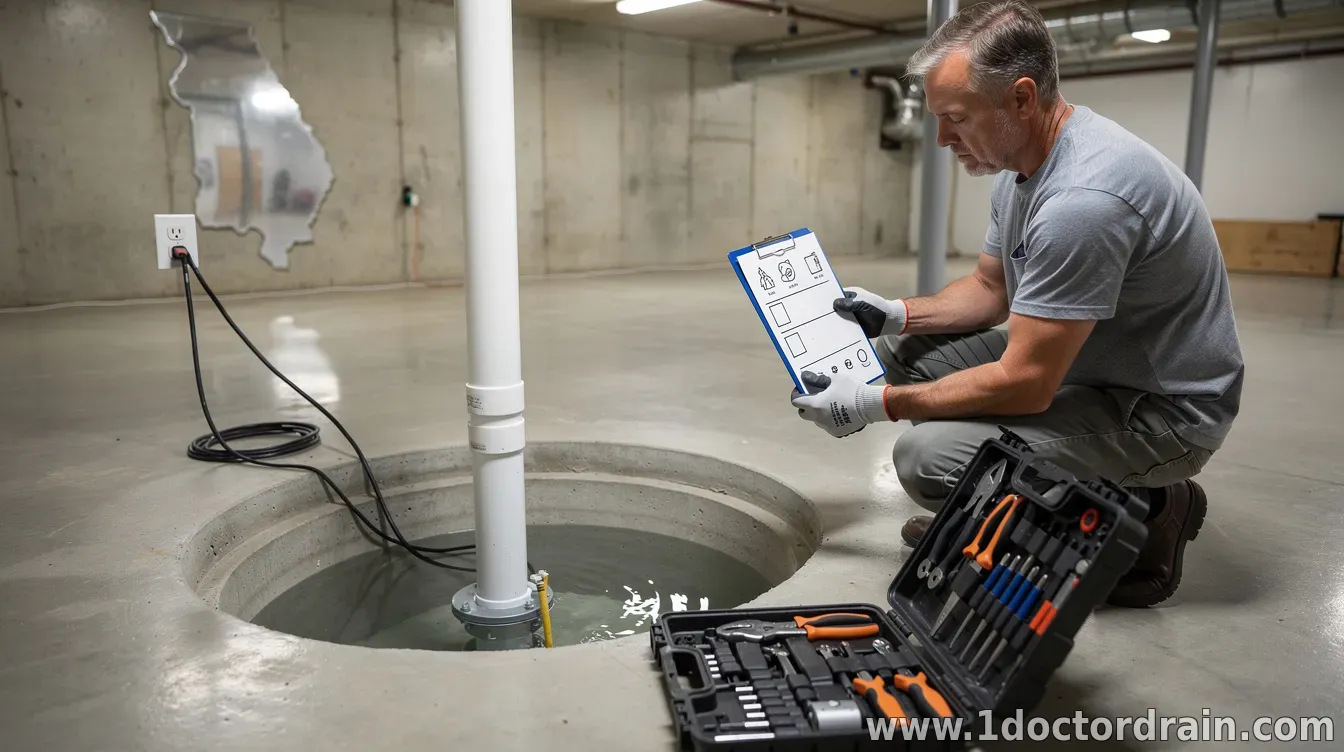
Does a Sewage Ejector Pump Need Regular Maintenance?

Does a Sewage Ejector Pump Need Regular Maintenance?


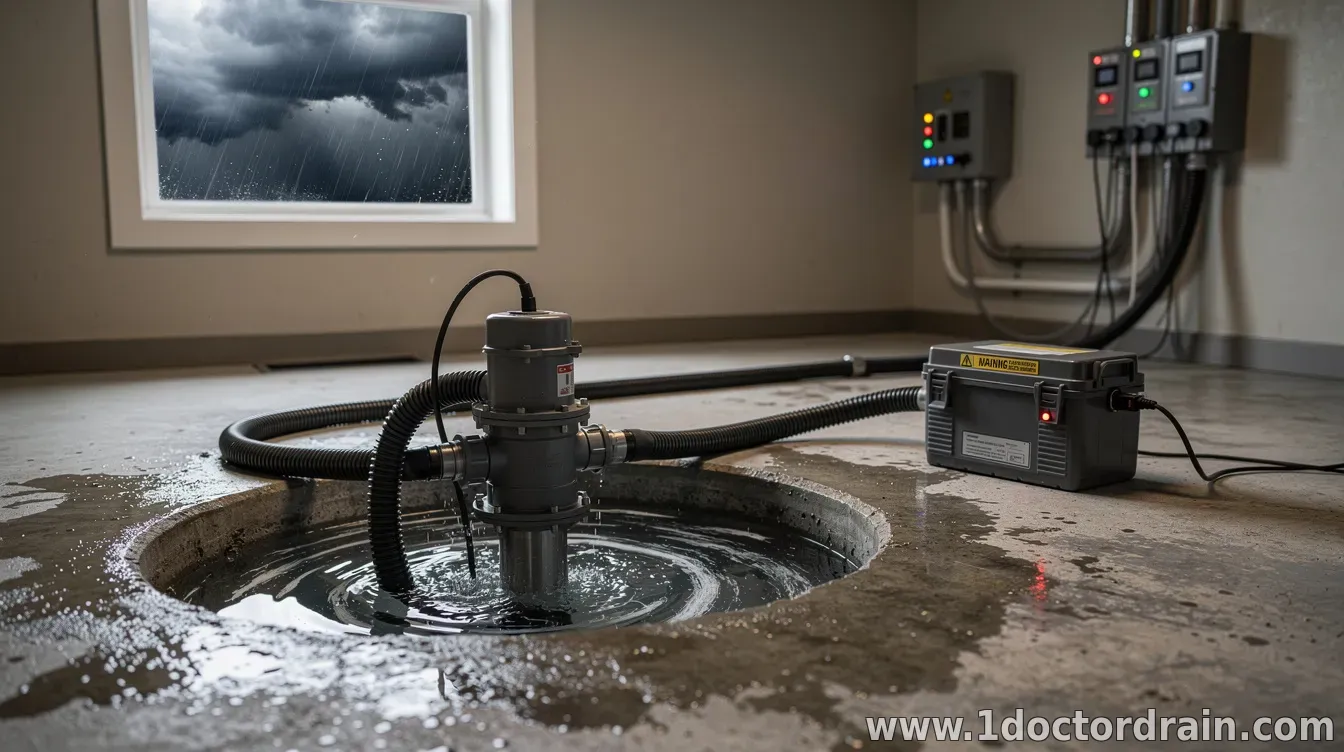
Sewage ejector pumps are designed to move wastewater from below-grade spaces to a main sewer or septic system. Because they handle solids, variable flow, and sometimes corrosive conditions, they can’t safely “set and forget.” Regular maintenance helps ensure they run when needed and shut off properly.


In practice, maintenance is about preventing the two most common failure points: clogging and electrical/mechanical wear. Over time, hair, grease, wipes (even those labeled “flushable”), and sediment can build up in the pump, check valve, or discharge line—raising the chance of reduced performance or sewage backups.


What regular maintenance can prevent


Routine checks generally focus on keeping the system clear and confirming that key components function correctly. This includes inspecting and cleaning accessible parts, verifying the operation of the float or level sensors, and c ... Read more »


Added: admin 06/01/2026 into the category «Drain cleaning serviсe» Views: 102 Commets: 0
More


How Tree Roots Enter Sewer Lines—and How to Stop Them

How Tree Roots Enter Sewer Lines—and How to Stop Them


Tree roots growing toward moisture can be a hidden cause of sewer backups. Even when a pipe is “working,” microscopic leaks, aging joints, or small breaks can let water and air escape—creating an attractive path for roots to enter and expand.


How roots get into sewer lines


In many cases, roots do not break through sound pipe by force. Instead, they exploit vulnerabilities. Cracks in pipe walls, gaps at joints, collapsed sections, or connections that have shifted over time can allow roots to reach the interior where moisture and nutrients are available.


As roots advance, they can thicken and branch inside the line, narrowing flow channels. That narrowing increases the likelihood of debris buildup, grease accumulation, and further blockages—turning a slow infiltration issue into a recurring emergency.


Signs you may have a root intrusion problem


... Read more »
Added: admin 05/31/2026 into the category «Drain cleaning serviсe» Views: 103 Commets: 0
More


Drain Cleaning Warranties: Coverage, Limits, and Tips

Drain Cleaning Warranties: Coverage, Limits, and Tips


A drain cleaning warranty is a written guarantee from a plumbing or drain service company stating that if the problem reappears (or isn’t resolved) after a cleaning job, the company will return to fix it—usually within a defined window and under stated conditions. These warranties are designed to reduce the risk for homeowners, but they are not universal, and the scope can be surprisingly narrow.


In most cases, the warranty relates to the specific drain service performed—such as a sewer line or a particular section of piping—not to every possible cause of slow drainage. Understanding what triggers a warranty claim, what’s excluded, and what documentation is required can determine whether you’re actually protected.


What drain cleaning warranties typically cover


While terms differ by company, many drain cleaning warranties commonly cover situations where the sa ... Read more »


Added: admin 05/30/2026 into the category «Drain cleaning serviсe» Views: 107 Commets: 0
More


French Drains vs Storm Drains: Key Differences Explained

French Drains vs Storm Drains: Key Differences Explained


French drains and storm drains are often mentioned together, but they’re designed for different purposes. In many neighborhoods, both systems exist side-by-side: one to control water around a specific property area, and the other to manage runoff across streets and public spaces.


What a French drain is (and what it does)


A French drain is a localized drainage system typically installed below the ground. It usually consists of a trench filled with gravel and, in many modern designs, a perforated pipe that collects and redirects groundwater or surface water away from an area—such as a basement wall, crawlspace perimeter, or yard grading points.


In practice, a French drain helps reduce hydrostatic pressure by lowering the water table near foundations. Because it’s built for a specific site, it’s commonly used when water appears in one place after heavy rain or during wet seasons.

& ... Read more »

Added: admin 05/28/2026 into the category «Drain cleaning serviсe» Views: 117 Commets: 0
More


« 1 2 ... 7 8 9 10 11 ... 42 43 »