1:51 AM Frequent Drain Clogs Signal Possible Main Sewer Line Issues | |
|
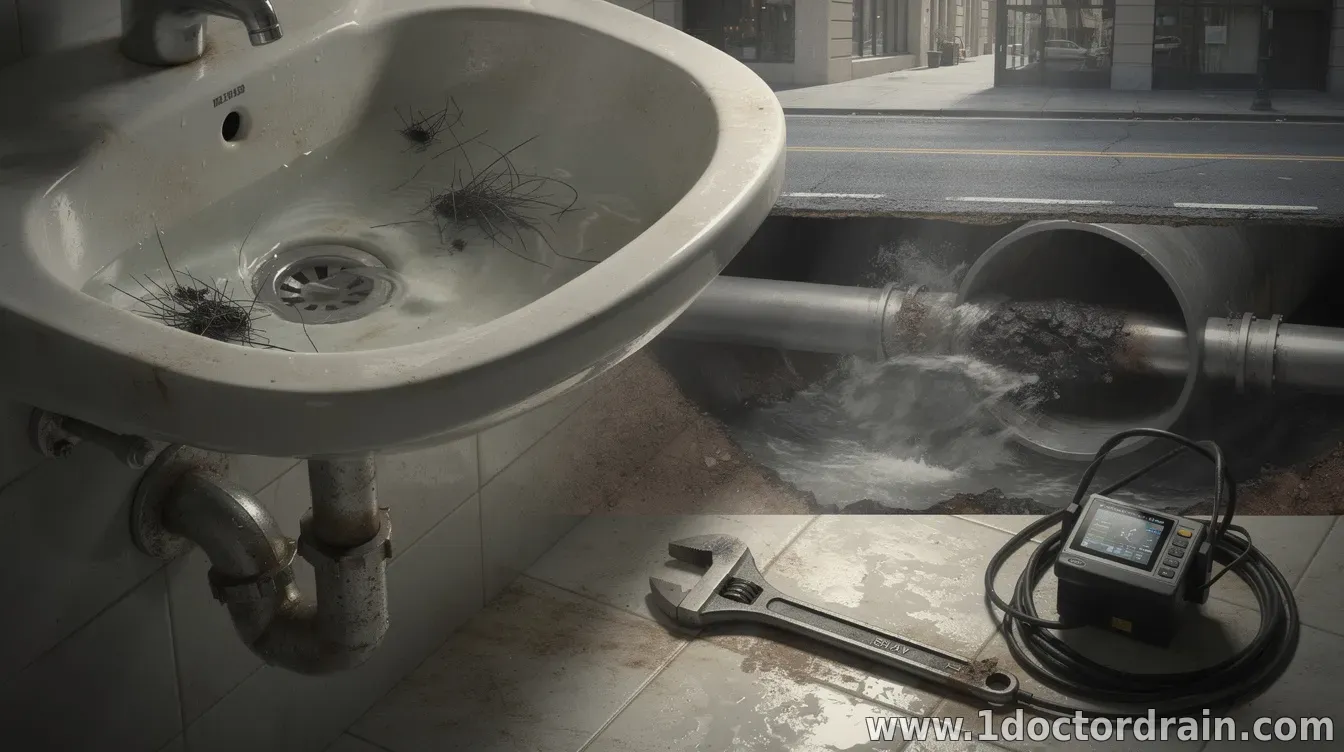
Persistent drain clogs—especially when a similar backup comes back weeks later—often point beyond a single drain or trap. Plumbing professionals commonly treat recurring backups as a signal that the home’s main sewer line may be partially blocked, misaligned, or affected by root intrusion, buildup, or other underlying issues.
Unlike one-off stoppages caused by everyday debris, repeated “returns” suggest the pathway farther downstream is not clearing consistently. As a result, water can back up again after partial flow is restored or after conditions change, such as rainfall or usage patterns. Why recurring backups usually mean more than a local clog
Many clogs form in predictable spots like a kitchen trap or shower drain, where hair, soap residue, grease, or small objects accumulate. But when multiple attempts to clear a drain fail to resolve the problem long-term, the issue may be in the main sewer line—the pipe that carries wastewater from the home to the municipal system or septic system.
In those cases, the blockage can be intermittent or partially lodged. Water may move briefly after cleaning, yet the underlying obstruction remains and can reassert itself with subsequent usage. Common causes of main sewer line problems
Several factors can lead to the kind of recurrent clogging homeowners notice. Tree roots are a well-known culprit; they can enter small cracks and expand inside the pipe over time. Sediment and mineral buildup can also narrow pipes, trapping debris and increasing the likelihood of stoppages.
Grease and non-dissolving materials—especially when flushed or poured incorrectly—can contribute to sludge layers that build up gradually. In some properties, pipe misalignment or aging infrastructure can worsen the problem by creating low spots where debris collects. What homeowners can do between visits
While recurring backups typically warrant professional inspection, a few practical steps may reduce risk in the short term. Avoid flushing materials that don’t belong in the plumbing system, and minimize pouring grease or thick food waste down drains.
These observations can help a plumber determine whether the issue is isolated to a fixture, located in branch lines, or likely in the main sewer line. When to call a professional sooner rather than later
If a drain clogs again soon after it’s been cleared—or if a backup returns from a month-old situation—delaying an inspection can allow the underlying problem to worsen. A professional may use tools such as camera inspections to identify the exact location and nature of the blockage, including cracks, root intrusion, or recurring debris buildup.
Addressing the main line early can reduce the chances of more extensive backups, unpleasant odors, or water damage inside the home. For many households, the key takeaway is simple: repeated clogs are rarely random, and they often indicate the wastewater route as a whole needs attention.
| |
|
| |
CALL ☎ Subscribe 👆
Next & Previous posts
Related materials:

CONTACT US 📩
Submit the form, we'll contact you as soon as possible!