NEWS

Home NEWS

☎ 312-532-6435

Drain сleaning serviсe, clogged drain, sewer cleaner, IL


Clay Pipe vs Cast Iron: Which Fails First in Chicago Suburbs?

Clay Pipe vs Cast Iron: Which Fails First in Chicago Suburbs?


Residents in the Chicago suburbs often hear competing claims about which older pipe material fails first: clay (typically vitrified clay) or cast iron. The short answer is that neither “always” fails first. But the two materials tend to fail in different ways, and Chicago-area conditions make those failure modes show up at different times.


The main driver is how the pipe behaves under stress. Freeze-thaw can widen defects, soil movement can misalign joints, and groundwater chemistry can accelerate corrosion. When these pressures combine, clay and cast iron usually “give” for different reasons—meaning the earliest failure depends on which weak point is present first.


Clay pipe: the early warning is cracking and joint infiltration


Clay pipe is rigid and can be durable when installed perfectly, but it is also less forgiving when the ground shifts or when joints are im ... Read more »


Added: admin 06/05/2026 into the category «Drain cleaning serviсe» Views: 97 Commets: 0
More


Sump Pump vs Sewage Ejector Pump: Key Differences

Sump Pump vs Sewage Ejector Pump: Key Differences


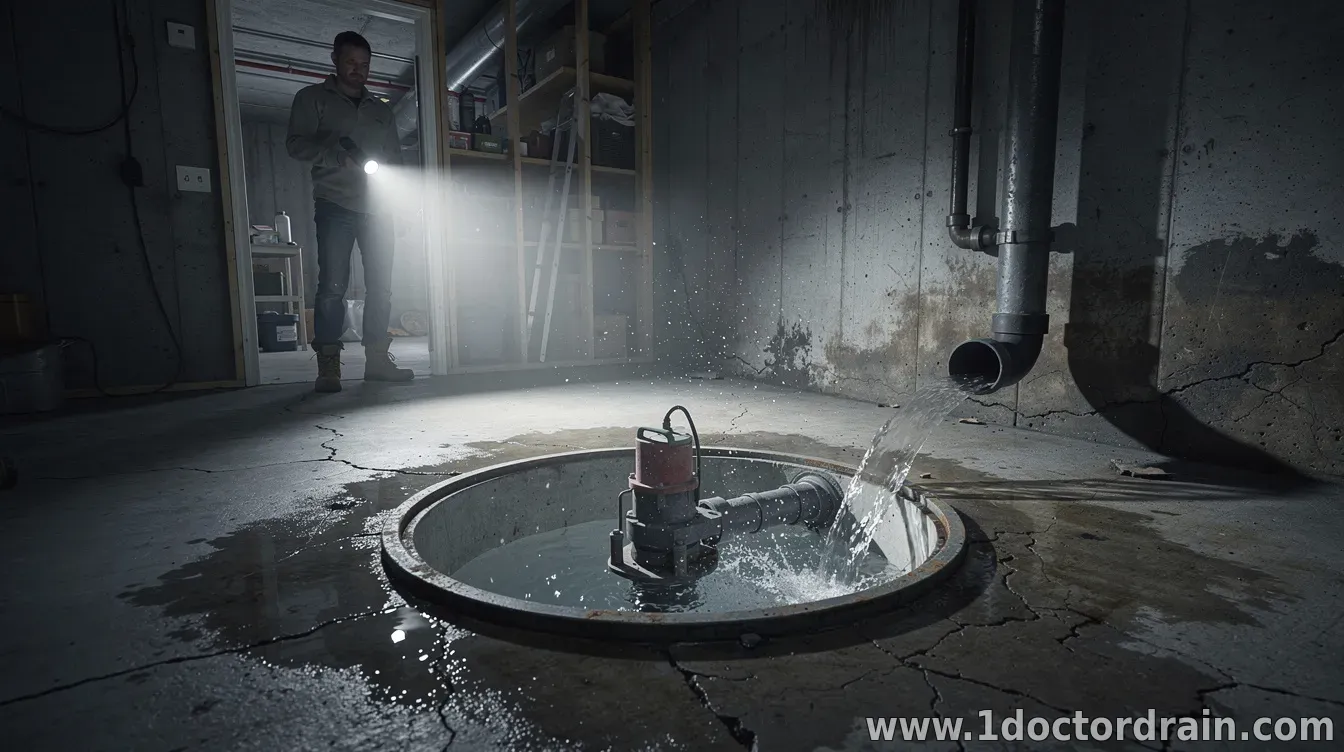
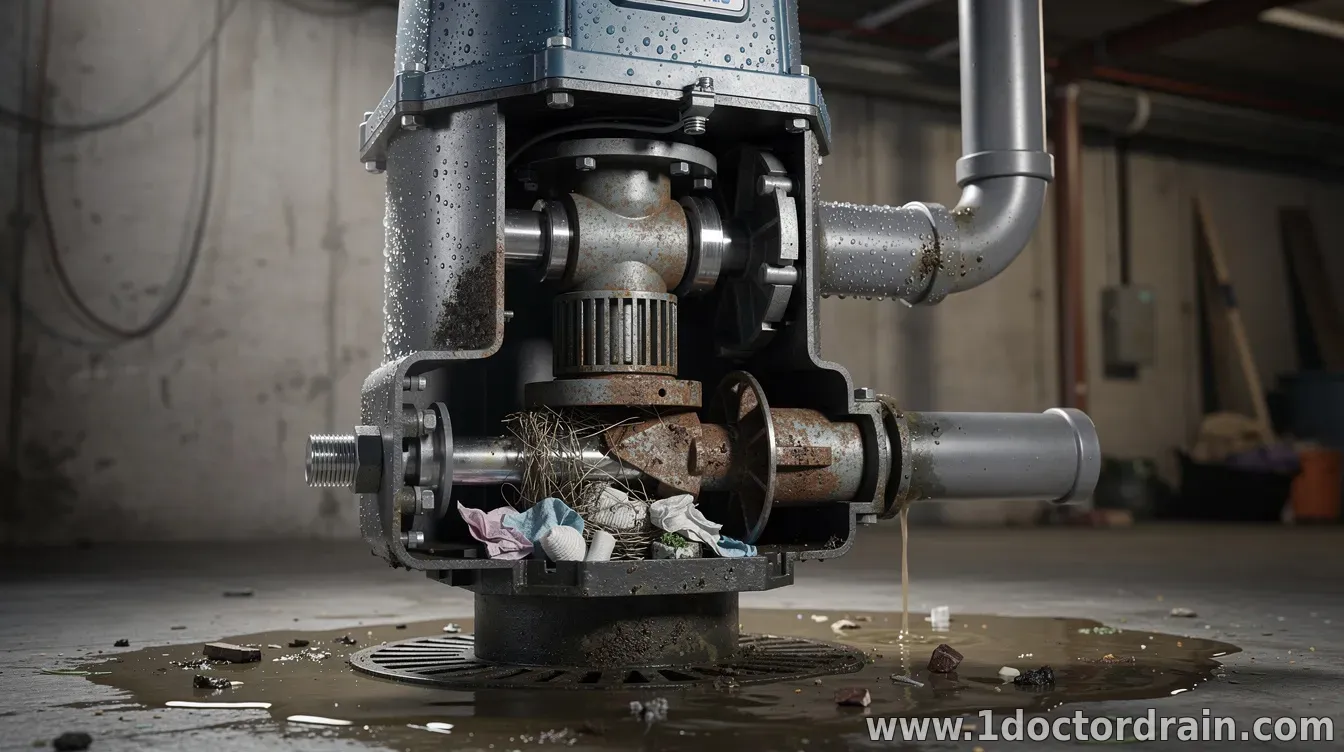
A sump pump and a sewage ejector pump can sound similar, but they serve distinct purposes. Homeowners typically choose the right unit based on whether they’re removing clean groundwater or dealing with wastewater that may include solids and sewage.


Choosing incorrectly—such as using a sump pump where a sewage-rated ejector is required—can lead to clogs, backups, odors, and premature equipment failure.


What a sump pump is designed to handle


A sump pump is built to move groundwater and other “clean” or lightly contaminated liquids away from a home’s foundation. It’s commonly installed in a sump pit below the basement floor to reduce flooding risk during heavy rain, snowmelt, or high water tables.


Typical applications include damp basements, water seepage, and drain tile systems. Because the liquid is usually free of solid waste, sump pumps are not r ... Read more »


Added: admin 06/04/2026 into the category «Drain cleaning serviсe» Views: 95 Commets: 0
More


Trenchless vs Open-Trench Sewer Repair: Cost Comparison

Trenchless vs Open-Trench Sewer Repair: Cost Comparison


Choosing between trenchless sewer repair and open excavation usually comes down to one question: what will it cost in your exact situation? Pricing can vary widely based on sewer line length, pipe diameter, the type of damage, ground conditions, and how much restoration (driveways, landscaping, pavement) is required.


This cost comparison breaks down the typical cost drivers for both approaches so homeowners and property managers can estimate total project budgets more accurately.


Typical cost ranges: what you might pay


In many markets, trenchless methods (such as pipe lining or pipe bursting) often carry a higher price per foot than open excavation. However, open excavation can become more costly when you add labor, traffic control, disposal, and resurfacing. As a result, the lowest bid is not always the lowest final cost.


Rule of thumb: Trenchless repair ... Read more »


Added: admin 06/03/2026 into the category «Drain cleaning serviсe» Views: 90 Commets: 0
More


How to Read a Drain Camera Report: What the Codes Mean

How to Read a Drain Camera Report: What the Codes Mean


Drain camera reports translate what a technician sees inside your pipes into a structured document. While every provider formats reports differently, most include consistent elements: footage/location data, a condition/defect coding system, and an assessment of what needs repair.


If you’ve ever received a report with unfamiliar terms like “CCTV grade,” “blockage,” or a string of numbers/abbreviations, this guide will help you interpret the codes and connect them to the right repair options.


1) The basics: location, orientation, and footage


Before decoding defect codes, confirm the report’s “where and how.” Look for details such as the start point (e.g., cleanout/manhole), pipe size/material (often inches/mm), distance measurements, and the camera’s direction.


Many reports show footage timestamps or distance-in-feet readings so you can ... Read more »


Added: admin 06/02/2026 into the category «Drain cleaning serviсe» Views: 97 Commets: 0
More


« 1 2 ... 6 7 8 9 10 ... 42 43 »