9:38 AM How We Fixed a Collapsed Sewer Line in Northbrook | |
|
A collapsed sewer line in Northbrook can escalate quickly—starting with slow drains and odors, and progressing to backups and ground instability. In this real case, our team acted fast to identify the failure point, secure the site, and restore service using a structured, safety-first repair plan.
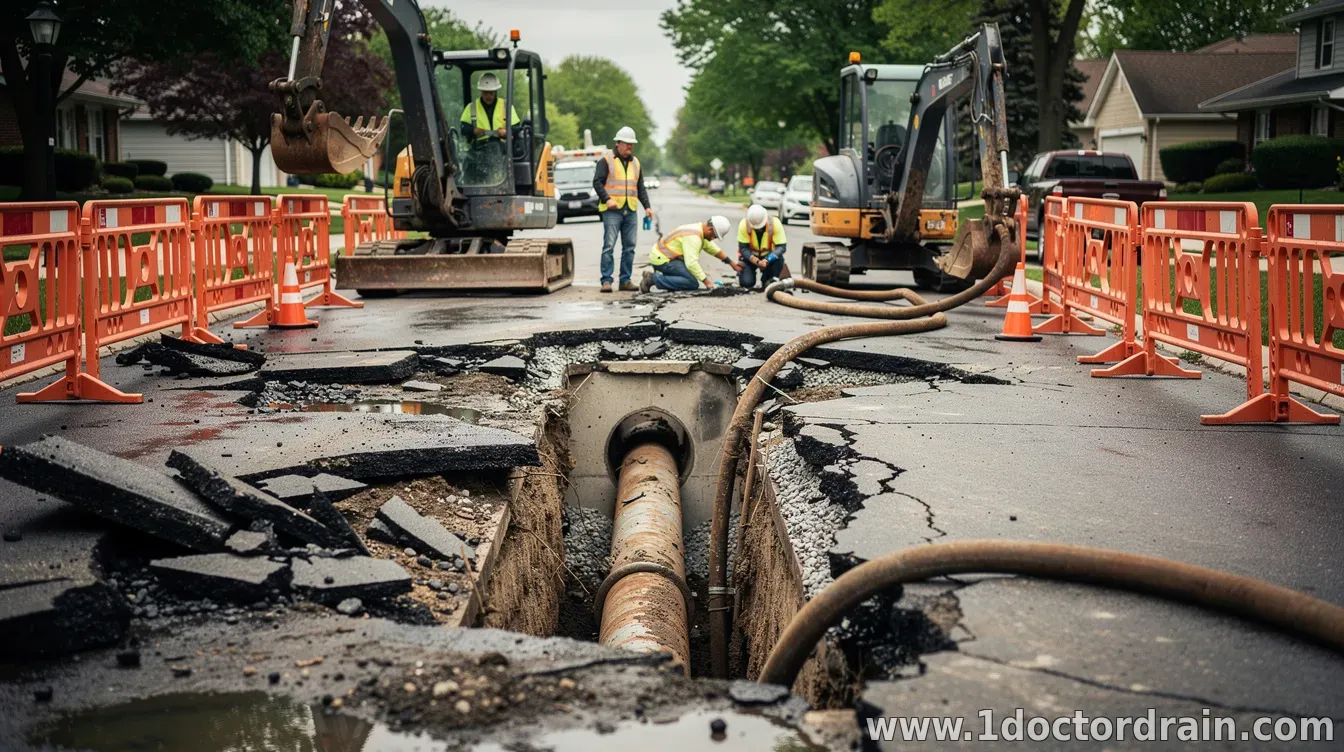
Before any digging or restoration work began, we treated the situation as potentially hazardous. Sewer incidents can expose crews and the public to contaminated water, harmful gases, and unstable surfaces. The first steps were access control, traffic and pedestrian safety measures, and coordination to limit impacts while the line was assessed.
Detecting the problem
The response began with diagnostics aimed at narrowing down where the collapse occurred. Technicians used sewer inspection methods to confirm blockage location and assess the severity of the damage. This helped distinguish between an obstruction that could be cleared and a structural failure that would require excavation and pipe replacement.
Confirming collapse and mapping the work zone
Once the failure point was identified, the team evaluated nearby conditions—surface conditions, depth, soil stability, and proximity to other utilities. In collapsed-line scenarios, the ground can shift, so mapping the work zone and verifying utility locations is essential before any heavy work starts.
With the route confirmed, we prepared for the repair by staging materials, setting up containment, and establishing procedures for managing wastewater safely. That meant planning how to control flows during the repair window so the site remained stable and the restoration process stayed on schedule.
Repair and replacement
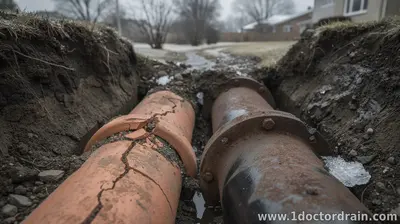
The core issue in this case was structural collapse of the sewer line. Instead of attempting a temporary fix, the solution focused on replacing the damaged section and restoring proper alignment and flow. Crews performed excavation to reach the compromised section, removed failed pipe material, and installed new pipe with attention to bedding and connection integrity.
After installation, we completed testing to confirm the line was properly seated and able to carry wastewater without leaks or obstructions. Only once results met the required standards did the team move into backfilling and surface restoration.
Restoration and verification
Following the mechanical repair, restoration included backfill and site cleanup, with ongoing checks to ensure performance held. The final verification step provided confidence that the system was returning to normal operation and that the repair addressed the root cause—not just the symptoms.
For Northbrook residents, this case highlights a key takeaway: when sewer issues point to a possible structural failure (rapid backups, strong odors, wet ground, or sinkhole-like conditions), the priority is professional assessment and safety, not DIY clearing. Early detection and correct repair planning help prevent repeat failures and reduce disruption.
| |
|
| |
CALL ☎ Subscribe 👆
Next & Previous posts
Related materials:
CONTACT US 📩
Submit the form, we'll contact you as soon as possible!