1:07 AM Pipe relining: trenchless repair for aging sewer lines | |
|
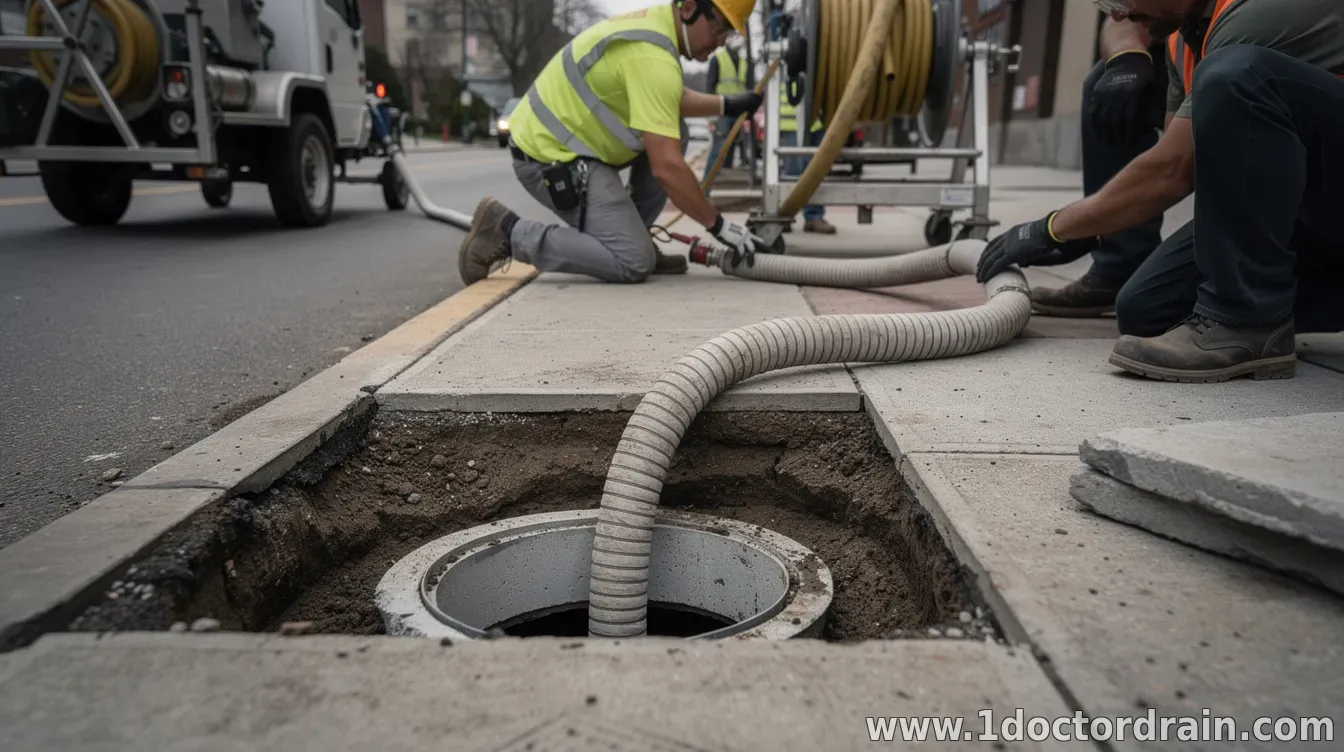
Pipe relining has become a go-to trenchless repair option for communities and property owners trying to address leaking, corroded, or structurally compromised underground pipes. Instead of digging up long sections of pipe, crews typically insert a new lining into the existing pipe and cure it to form a rehabilitation “pipe within a pipe.”
As aging infrastructure strains budgets and disrupts neighborhoods, trenchless solutions like relining are increasingly favored for minimizing surface restoration. The approach can reduce road closures and the volume of excavated material, while targeting problems such as cracks, corrosion, and infiltration. How pipe relining works
Most relining projects start with inspection using CCTV cameras to map the condition of the pipe. If the host pipe is suitable, technicians clean the line to remove deposits and scale, then install a liner that may be resin-saturated and kept in place using air or water pressure. After positioning, the liner is cured—often using heat—to harden and bond to the inside of the existing pipe.
Once cured, the new lining restores the pipe’s inner surface and can improve hydraulic performance by reducing roughness. In many systems, relining also helps limit groundwater infiltration and contain wastewater leaks. Common use cases and benefits
Pipe relining is frequently used for sanitary sewer mains, lateral lines, storm lines, and some water mains depending on design specifications. It is especially appealing when the pipe problem is largely internal and when surface disruption must be limited.
Supporters of trenchless rehabilitation cite multiple potential advantages: faster installation compared with open-cut replacement, fewer restoration works like paving and landscaping, and a reduced need for traffic management. For property owners, it can also mean less disruption inside and around the building footprint, since access points are generally limited. Limitations and suitability checks
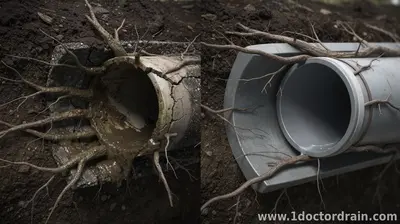
Relining is not one-size-fits-all. The existing pipe must meet acceptance criteria regarding diameter, alignment, structural integrity, and the absence of severe obstructions that cannot be managed. Severe collapses, extensive root intrusion, or large structural shifts may require spot repairs or a different trenchless technique before relining is considered.
Quality also depends on preparation and curing. Proper cleaning, accurate liner sizing, reliable pressure control, and correct curing conditions are critical to achieving a tight bond and uniform thickness. That’s why many contractors emphasize inspection, pre-project cleaning, and post-installation verification. What to expect during a project
Typical steps include initial CCTV inspection, cleaning, liner installation, curing, and verification testing. Depending on the site, temporary access points may be created at manholes or service junctions to insert and manage the liner. Crews may also conduct flushing and final camera checks to confirm continuity, sealing at joints, and any required service connections.
While residents and owners often prefer relining for its lower surface impact, timelines can vary based on pipe length, complexity, weather (for outdoor access), and cure requirements. Contractors generally plan around neighborhood schedules to minimize disruption. Why inspection and maintenance still matter
Even after successful relining, pipes should be managed with ongoing inspection and preventive maintenance. Over time, upstream issues—like recurring roots, aging service connections, or misalignment—can create new stress points. Regular monitoring helps identify problems early and can protect the long-term performance of the rehabilitated line.
As infrastructure agencies and municipalities continue to modernize underground networks with lower-disruption methods, pipe relining remains a practical option—particularly when paired with thorough assessment and quality controls from inspection through cure.
| |
|
| |
CALL ☎ Subscribe 👆
Next & Previous posts
Related materials:
CONTACT US 📩
Submit the form, we'll contact you as soon as possible!