1:40 AM Seasonal Drain Maintenance Checklist for Homeowners | |
|
Seasonal drain problems rarely appear out of nowhere. Tree debris in fall, heavy cooking and grease buildup in winter, and summer runoff can all overwhelm pipes and strain fixtures. A short, consistent maintenance routine can help keep water flowing and reduce the risk of backups. Spring: Clear debris and improve flow
After winter weather and thaw cycles, inspect exterior drainage paths and clean out any visible buildup. Check gutters and downspouts for blockages, confirm that downspouts discharge away from foundation areas, and ensure surface drains are not buried with leaves or soil.
Inside, run water in all sinks and tubs to confirm steady drainage. If a drain moves slowly, don’t wait for it to worsen—remove hair and residue from accessible strainers, then clean the drain opening with a drain-safe method appropriate for your household setup. Summer: Prevent grease, soap, and organic clogs
In warmer months, cooking volume often increases while people may use more outdoor water. Kitchen sinks are especially vulnerable to grease and food particles. Use a strainer, wipe pans before rinsing, and periodically flush drains with warm water to help move minor buildup through before it accumulates.
For bathrooms, inspect and clean shower and tub strainers. Hair and soap scum combine to create stubborn blockages. If you notice recurring slow drainage, consider a targeted approach such as mechanical removal of buildup at the trap or a product that matches your plumbing material and local guidance. Fall: Protect against leaves and storm runoff
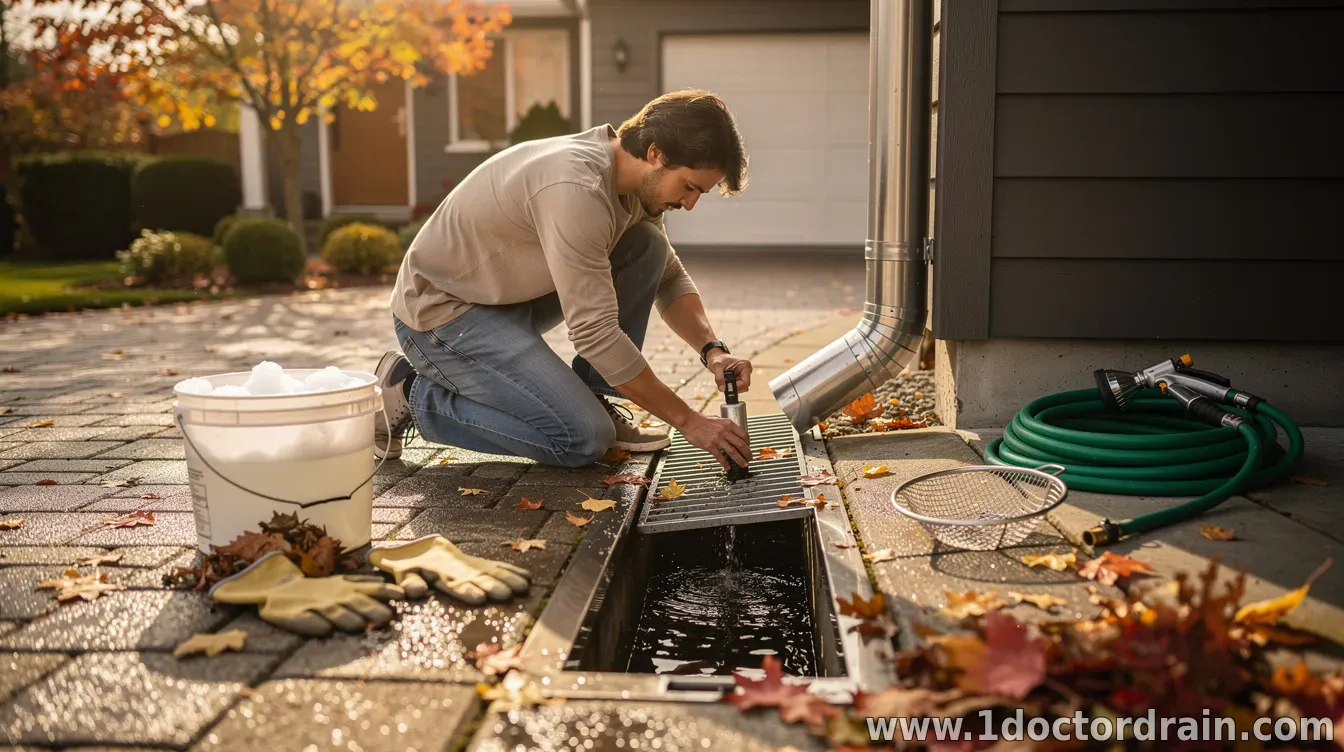
As leaves drop, focus on preventing exterior blockages that can send water where you don’t want it. Clean gutters and check downspout extensions and splash blocks. If you have yard drains, verify they’re clear so stormwater can move away from your home.
In the basement or utility area, check for floor drains and sump components. Confirm that drain openings remain unobstructed and that any removable grates or covers are cleaned. If you rely on a sump pump, ensure it starts and operates correctly according to the manufacturer’s instructions. Winter: Reduce freeze risk and keep pipes moving
Cold weather can slow or stop flow, especially when pipes are partially blocked. Keep sink cabinet areas ventilated where appropriate and maintain heat where pipes run through unconditioned spaces. If you have outdoor plumbing, protect exposed lines and shut off or drain components as advised by your local climate practices.
To reduce the chance of backups, avoid pouring fats, oils, and grease into drains—these solidify as temperatures drop. During high-use periods, run water intermittently after heavy use to help prevent buildup at key points in the plumbing system. Homeowner checklist (use each season)
If you encounter repeated clogs, gurgling sounds, or multiple fixtures backing up at once, it may indicate a deeper obstruction. In those cases, it’s often safer to involve a licensed plumber to diagnose root causes rather than repeatedly applying harsher treatments.
With a seasonal routine and a few prevention habits, homeowners can typically reduce drain problems and keep plumbing performance steady year-round—saving time, disruption, and expense.
| |
|
| |
CALL ☎ Subscribe 👆
Next & Previous posts
Related materials:

CONTACT US 📩
Submit the form, we'll contact you as soon as possible!