1:31 AM Why North Shore Homes See More Sewer Issues | |
|
North Shore homes can experience sewer issues more frequently than the average, not because residents are doing anything wrong, but because local conditions place heavier stress on aging underground systems. When wastewater infrastructure is already near the end of its design life, even “ordinary” factors—rainfall, groundwater changes, tree roots, and minor settling—can lead to clogs or leaks.
Below are several of the most common reasons sewer failures and backups show up disproportionately on the North Shore. Older sewer lines and limited redundancy
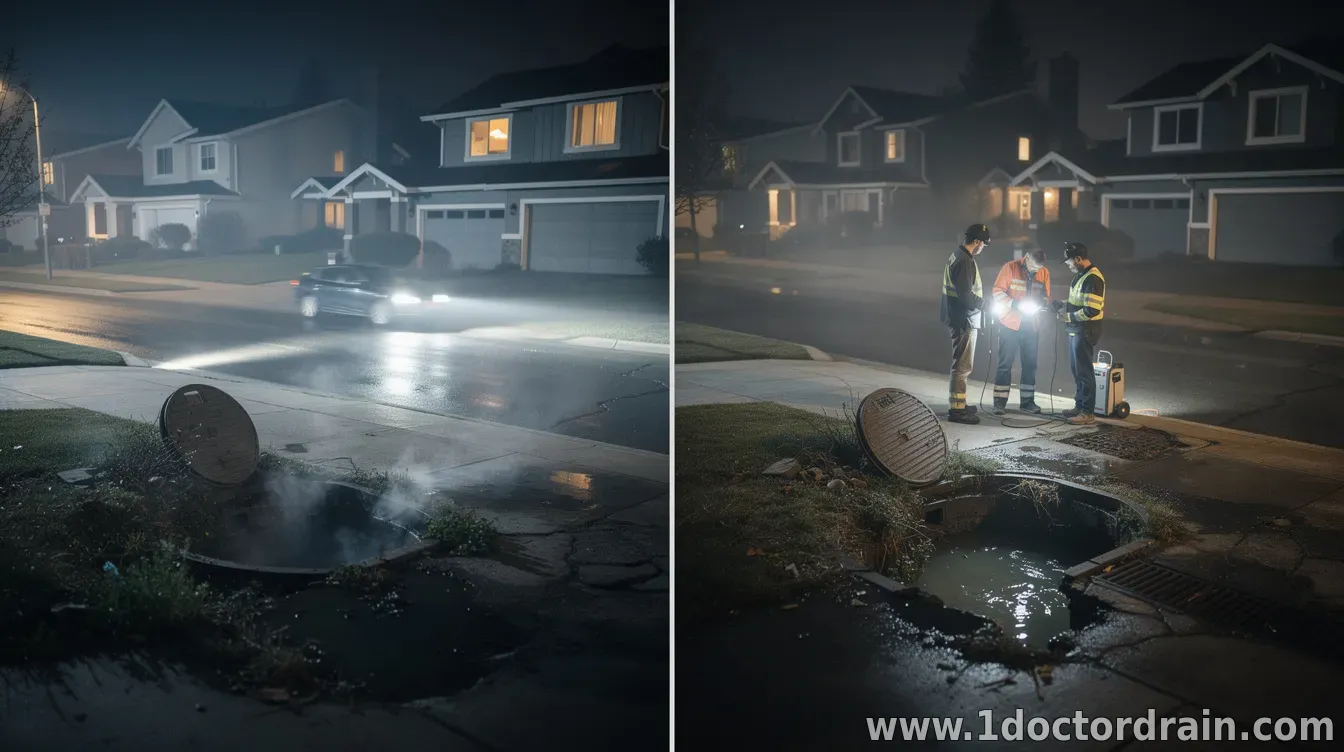
In many North Shore neighborhoods, portions of the collection system and many residential sewer laterals were installed decades ago. Over time, pipe materials can deteriorate, joints can loosen, and small cracks can widen. Once that happens, solids and debris build up faster, and infiltration of groundwater can make blockages more likely—especially during wet seasons.
Because sewer networks are designed to work within specific flow and maintenance expectations, older systems can have less “buffer” against unusual loading (such as heavy storm runoff entering the system through cracks or faulty connections). Soil, groundwater, and seasonal saturation
Another driver is the ground conditions beneath many North Shore properties. Where soils hold water or where groundwater rises seasonally, sewer lines may be subjected to higher external pressure and more frequent infiltration. That extra water can change flow dynamics, carry more suspended solids, and overload the capacity of aging pipes.
Infiltration doesn’t always look like a dramatic leak on the surface. Instead, it can show up as recurring slow drains, gurgling, repeated cleanings, or backups during or shortly after rain. Shifting and settling that stresses joints
Soil movement—whether from natural settling, drought-wet cycles, or changes around foundations—can shift pipe alignment. Even small misalignments can create low points where solids collect. Joints are often the first weak link; when they move or separate, they can allow roots and debris to enter or let wastewater leak into surrounding soil.
For homeowners, this often means the same area “keeps acting up,” even after a one-time rodding or treatment. If the underlying alignment or joint condition is the issue, the problem can return. Tree roots and infiltration pathways
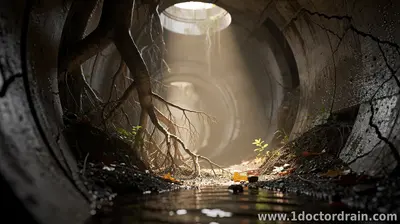
Tree roots are a common cause of sewer blockages wherever sewer lines are aging or not fully sealed. Roots tend to grow toward moisture, and even minor leaks can create that incentive. Over time, roots can intrude through cracks or gaps, narrowing the pipe and trapping solids.
In coastal or wetter environments—where soils remain moist for longer—root intrusion can be especially persistent, requiring more frequent inspection and, in some cases, preventative maintenance. How debris and household patterns still matter
Even with infrastructure challenges, day-to-day factors influence outcomes. Grease buildup, flushable wipes that don’t break down as expected, and improper disposal of non-sewer items can increase the frequency of clogs. When those issues combine with infiltration and older pipes, backups become more likely.
That said, homeowners who maintain good practices can still see frequent incidents if the pipe network and lateral lines are failing mechanically or allowing groundwater to enter.
For many North Shore properties, the pattern isn’t “random,” it’s systemic: recurring backups, recurring cleanouts, and frequent symptoms that cluster around wet weather or particular locations. What homeowners can do to reduce risk
If sewer issues are more common in your area, proactive steps can prevent emergencies. Consider having your sewer lateral inspected with a camera rather than relying on repeated clearing alone. A video inspection can identify cracking, joint separation, root intrusion, blockage locations, and low-grade buildup—so the remedy matches the cause.
These steps won’t remove every risk factor, but they can reduce the odds of recurrence and help you address vulnerable sections before they fail under pressure.
Ultimately, North Shore homes may see more sewer problems because underground systems face more combined stressors—aging infrastructure, local soil and groundwater behavior, settling, and root intrusion. When those factors align, even minor disruptions can trigger backups. Early inspection and targeted repairs are the most effective way to break that cycle.
| |
|
| |
CALL ☎ Subscribe 👆
Next & Previous posts
Related materials:

CONTACT US 📩
Submit the form, we'll contact you as soon as possible!