1:07 AM Can You Flush Cat Litter or Dog Poop? | |
|
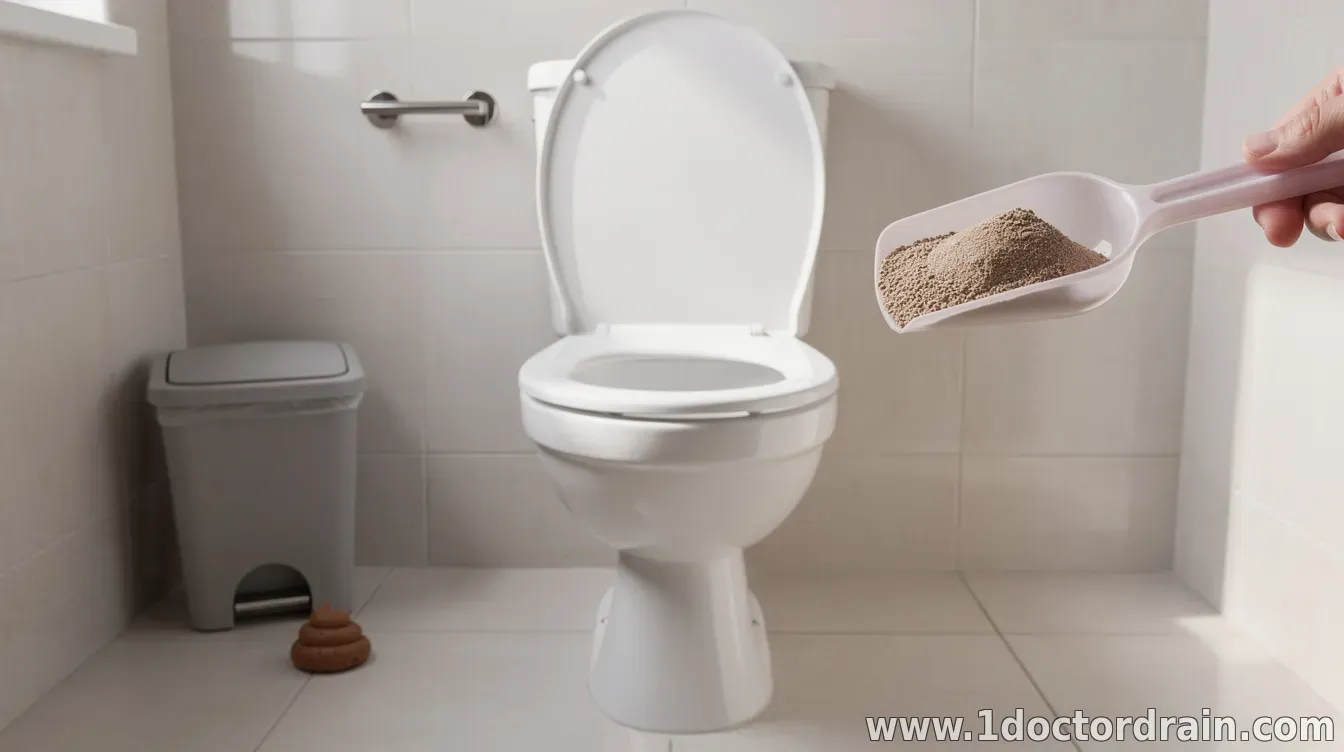
Pet owners sometimes wonder whether cat litter or dog poop can be flushed down the toilet to make cleanup easier. The short answer is that it’s usually not recommended. Even when waste seems “biodegradable,” many common products and disposal practices can cause clogs, overwhelm wastewater treatment, or introduce contaminants into waterways.
Because local sewer systems and treatment facilities vary, the most reliable guidance comes from your city or utility’s rules. When in doubt, treat pet waste as solid waste and dispose of it through approved channels. Why cat litter shouldn’t be flushed
Most cat litter is designed to absorb and clump in a way that’s meant for the litter box—not for toilet pipes. Flushing can lead to blockages, since clumps may not break down properly once wet and compressed in plumbing.
Clumping clay, silica, and many scented litters can also pose problems for wastewater systems. Even so-called “flushable” claims are not always consistent across brands, and they may still be unsuitable depending on how your local infrastructure handles solids and non-biodegradable materials. Why dog poop shouldn’t be flushed
Dog feces contains bacteria and parasites that wastewater plants may not fully eliminate under all conditions. While some treatment occurs, flushing can increase the volume of solids and biological load in your sewer system.
Additionally, heavy waste use can contribute to pipe buildup or sewer line issues, particularly in older infrastructure. Many public health guidelines encourage bagging and trash disposal (or approved composting where permitted) rather than flushing. What you should do instead
For typical household disposal, the safest approach is straightforward: bag it, seal it, and dispose of it properly. For litter, use the product according to the package and your local rules.
Some products are marketed as flushable, but “flushable” doesn’t automatically mean “safe everywhere.” If you’re considering any exception, confirm the brand’s compatibility with your local sewer system and follow the manufacturer’s guidance exactly. When exceptions might apply
In limited cases, certain biodegradable materials may be permitted for special disposal methods or approved processing streams. However, such allowances are usually tied to specific products and local rules—not a universal permission to flush any cat litter or dog poop.
If you want to reduce environmental impact, focus on approved solid-waste handling and, where available, reputable services or programs that accept pet waste. Those options are more likely to align with public health and wastewater management practices.
The takeaway: flushing is rarely the right solution for cat litter or dog poop. A few extra minutes of proper cleanup can prevent plumbing headaches and help keep waste out of the sewer and waterways.
| |
|
| |
CALL ☎ Subscribe 👆
Next & Previous posts
Related materials:

CONTACT US 📩
Submit the form, we'll contact you as soon as possible!