
3:27 AM Do You Need a Battery Backup for Your Sump Pump? | |
|
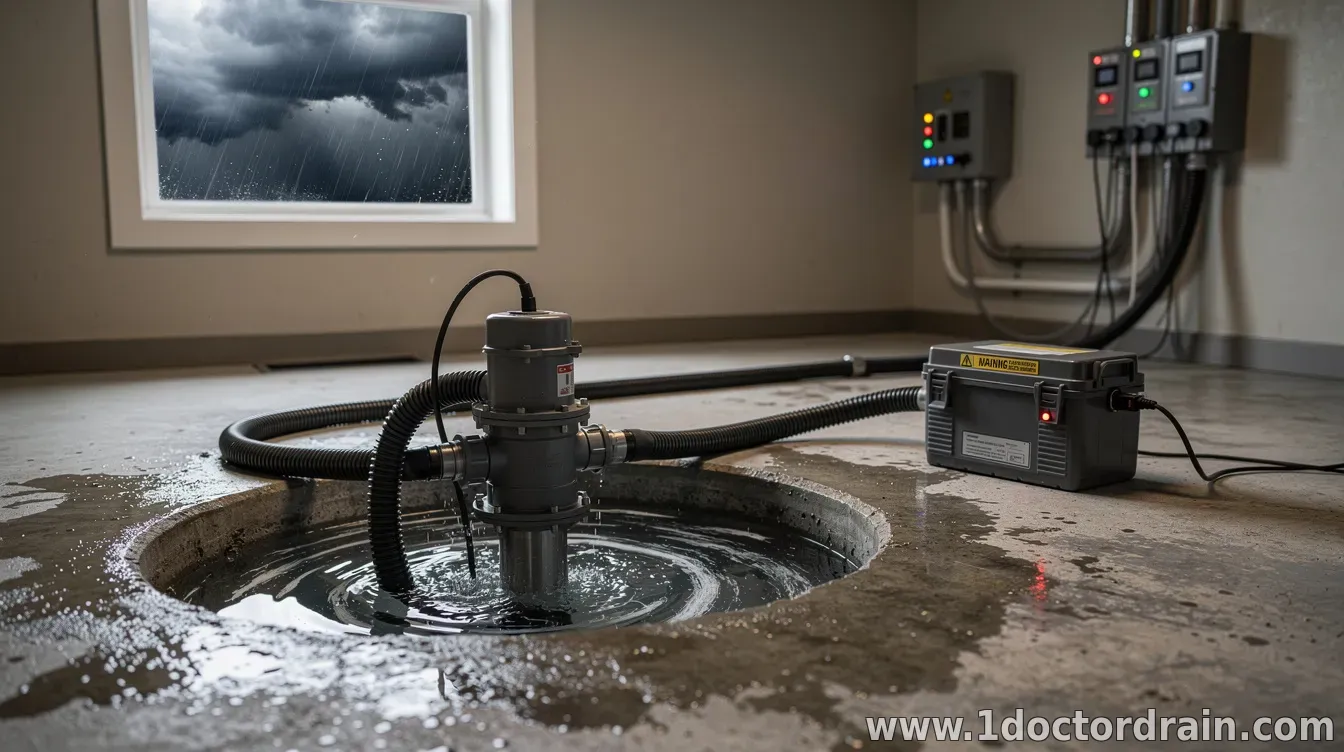
Storm season often brings heavy rain, saturated soil, and—most critically—power outages. For homeowners who rely on a sump pump to keep groundwater out of a basement, losing electricity can turn a manageable water problem into a fast-moving flood.
A battery backup sump pump system is designed to run the pump when power goes out. The question is whether that backup is necessary for your specific home, or whether other safeguards would be enough. When a battery backup makes the most sense
If your area commonly experiences outages during storms, a battery backup can be a practical way to reduce risk. It’s especially valuable if your basement is prone to flooding, you’ve had past water intrusion, or your sump pump is the only line of defense against groundwater.
It may also be worth prioritizing when your system is older, the discharge capacity is limited, or the installation is near a ground level where heavy rain can overwhelm drainage quickly. In these cases, continuity matters: the goal is to keep water moving out even when the grid goes down. Scenarios where you might not need one
Some homes have fewer triggers for emergencies. If your sump pump has redundant pumping (for example, an additional pump or a reliable water-management system), your basement rarely sees moisture, and power outages are rare in your neighborhood, the urgency for battery backup may be lower.
However, even in lower-risk areas, storm-driven outages can still happen—so homeowners who skip battery backup often rely on fast response. That means having a plan for monitoring and acting quickly if the power fails. What to evaluate before you buy
Before storm season, compare your current setup to the kind of failure you’re trying to prevent. A few factors can help you decide.
It’s also important to understand that battery backup is not the same as addressing overloaded conditions. If inflow is extremely high, the backup may buy critical time, but it can’t replace adequate drainage design or proper grading. Best-practice storm-season prep
Even with a battery system, preparation matters. Inspect the sump pit and pump intake for debris, confirm discharge lines are clear, and test your equipment before the first major storms arrive. If your system includes alarms, verify they function and that you know where to find the right controls.
For households that decide against battery backup, consider creating a contingency plan: know how to monitor the sump, identify who can respond during an outage, and understand the timeframe in which flooding could occur.
Battery backup sump pumps can be a targeted solution to a common storm problem—loss of power—yet they’re most effective when matched to the home’s real risk. The safest approach is to evaluate your outage likelihood, your basement vulnerability, and your current sump system performance before the weather forces the decision.
| |
|
| |
CALL ☎ Subscribe 👆
Next & Previous posts
Related materials:
CONTACT US 📩
Submit the form, we'll contact you as soon as possible!