1:23 AM Why Office Buildings Need Scheduled Floor Drain Inspections | |
|
In office buildings, floor drains are easy to overlook—until something goes wrong. From routine cleaning and spills to occasional maintenance work, these drains quietly manage wastewater and stormwater flow every day. Without scheduled floor drain inspections, small issues can escalate into leaks, backups, odors, and property damage.
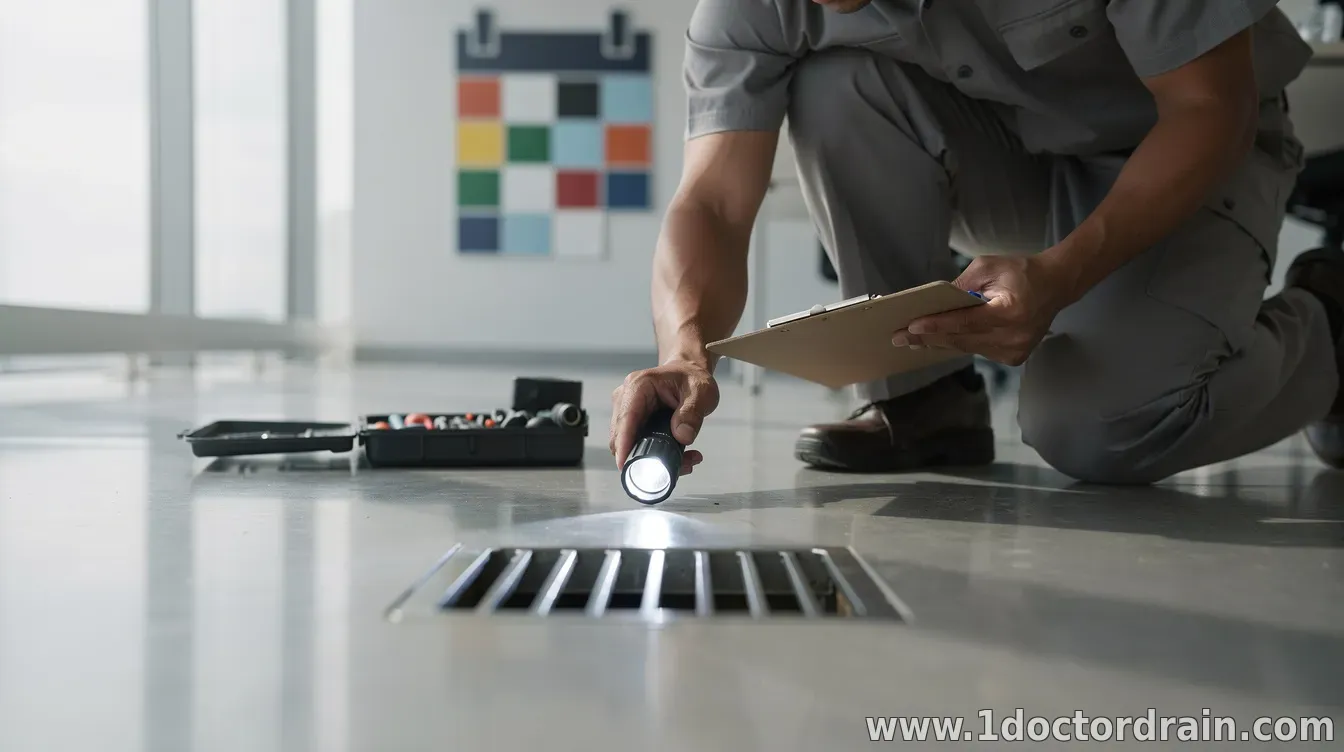
Regular inspections act like preventive maintenance for plumbing that most people don’t see. A drain that appears to be “working” can still be failing internally due to blockages, deteriorating components, improper seals, or venting problems. Catching those conditions early helps facilities maintain reliable sanitation and reduce risk. Prevent backups and water damage
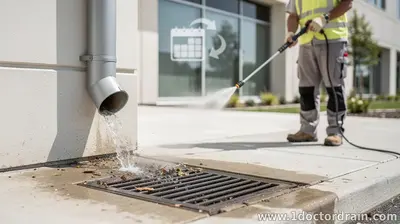
Floor drains can accumulate debris from routine activities—dust, grit, hair, cleaning residue, and sometimes construction debris. Over time, that buildup can restrict flow and increase the likelihood of slow drainage or complete blockage. When that happens, water can pool in corridors, lobbies, restrooms, and mechanical areas, leading to slip hazards, damaged flooring, and repairs that disrupt tenants.
Inspections typically focus on indicators such as flow restrictions, signs of overflow, and drain components that may be misaligned or failing. Identifying early warning signs reduces the chance of sudden backups during high-use periods. Protect indoor air quality and reduce sewer gas risks
When drain traps dry out or seals degrade, unpleasant odors and sewer gases can enter indoor spaces. In office environments—where comfort and health standards are central—these problems can quickly become tenant complaints and a reputational issue for building managers.
Scheduled inspections help verify that traps and seals are functioning properly and that drainage pathways are connected correctly. Even when odors are intermittent, they often point to an underlying system issue that won’t fix itself. Support compliance and documentation for facilities teams
Many buildings operate under requirements related to plumbing integrity, sanitation, and preventative maintenance programs. A documented inspection schedule provides evidence of proactive risk management and can support internal audits, insurance reviews, and regulatory inquiries when applicable.
For facilities managers, maintaining records of inspection dates, findings, and corrective actions also creates institutional knowledge—especially valuable during staffing changes or when troubleshooting recurring problems across multiple floors or zones. Reduce water waste and operational disruptions
Blocked or partially obstructed drains may cause staff to adjust cleaning practices, increase manual labor, or temporarily close areas while issues are addressed. Over time, restricted drainage can also contribute to inefficient water use—for example, longer cleaning cycles that rely on the drain to clear water quickly.
By inspecting drains on a predictable cadence, teams can coordinate maintenance when it’s least disruptive, ensure the right parts and services are available, and avoid emergency responses that often cost more.
Building leaders don’t have to treat floor drains as reactive repairs. A practical approach pairs scheduled inspections with clear reporting from custodial staff and maintenance personnel. When recurring symptoms—such as slow draining, persistent odors, or occasional pooling—are documented and linked to specific locations, inspections become more targeted and effective.
Ultimately, scheduled floor drain inspections protect the everyday experience of office occupants while safeguarding the building’s infrastructure. It’s a cost-controlled, low-visibility maintenance step that helps prevent high-visibility problems—keeping operations running smoothly and reducing long-term risk.
| |
|
| |
CALL ☎ Subscribe 👆
Next & Previous posts
Related materials:

CONTACT US 📩
Submit the form, we'll contact you as soon as possible!