2:23 AM Laundry Drain Clogs: How They Differ From Kitchen or Bath | |
|
When a home’s drains start backing up, it’s tempting to assume every clog works the same way. But laundry drain problems often develop for different reasons than kitchen or bathroom clogs—meaning the best prevention and repair approaches can vary significantly.
Understanding how laundry drains clog is especially important because washing machines push large, fast batches of water through pipes that may also be affected by soap buildup, fabric fibers, and other debris that don’t behave like typical kitchen grease or bathroom hair. Why laundry clogs form differently
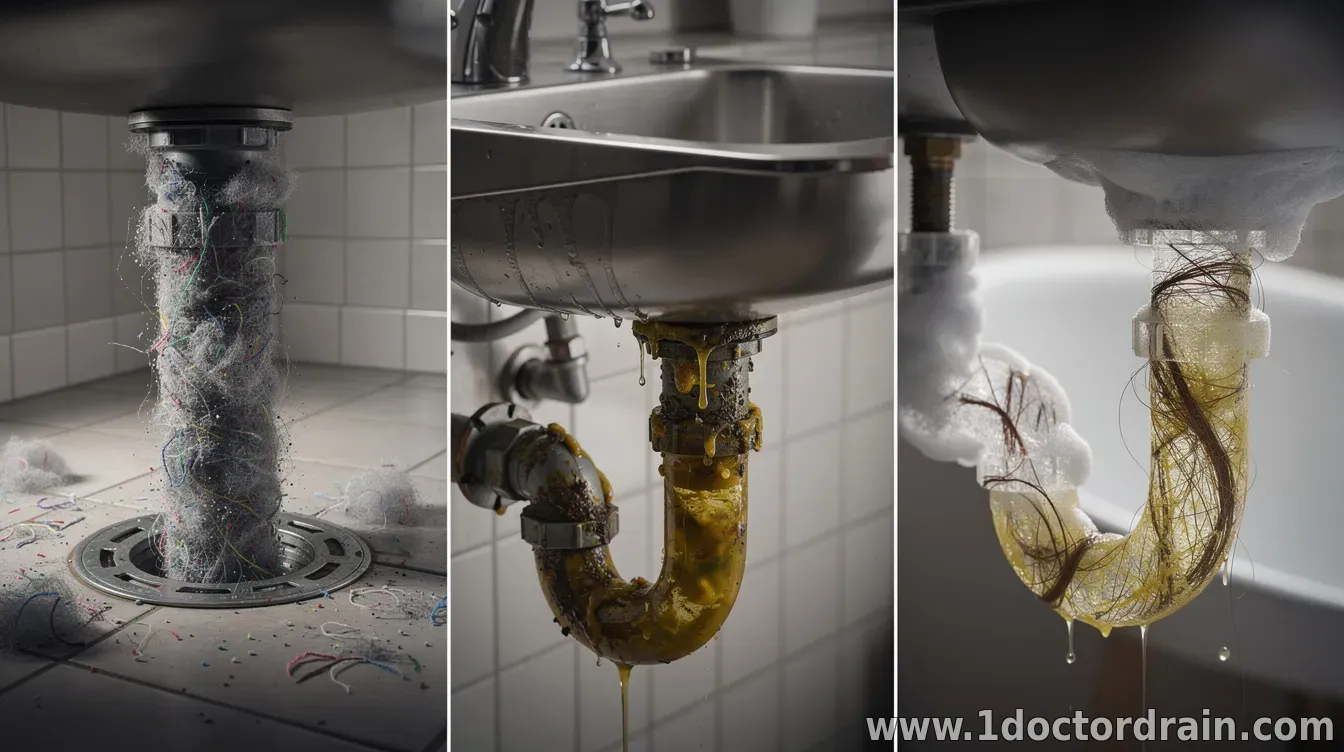
Laundry lines frequently accumulate lint and microfibers from clothes, along with detergent residue and fabric softener byproducts. Over time, these materials can create a sticky, semi-solid mass that reduces flow. Unlike grease, which may be pushed along until it cools and congeals, lint and soap can build up gradually and narrow the pipe even without a sudden “hard” blockage.
Also, laundry discharge is driven by washer cycles. During drain and spin phases, a machine can pull water through the line in bursts, which may temporarily clear minor restrictions. When the clog is more established, those same high-volume cycles can overwhelm the remaining opening and cause persistent backups. Kitchen clogs: grease and food behave differently
Kitchen backups are commonly linked to fats, oils, and grease from cooking that solidify in colder sections of plumbing. Food scraps can also contribute, but grease is often the key factor that turns a drain issue into a long-term flow problem. As residue accumulates, it can trap other debris and harden into stubborn deposits.
As a result, kitchen clogs may be more responsive to methods targeting grease buildup (and less about lint or detergent chemistry). When a kitchen clog appears, it often correlates with recent cooking activity or frequent disposal use. Bathroom clogs: hair, soap scum, and slow drains
Bathroom drains—especially showers and tubs—tend to clog from hair, soap scum, and other fibrous materials. Hair can form dense tangles that catch soap and minerals, creating a blockage that often shows up as slow draining in one fixture before it becomes a full backup.
Compared with laundry systems, bathroom clogs are more often localized to specific fixtures. The pattern of symptoms—like a single shower draining slowly while laundry still runs normally—can help distinguish hair-and-soap clogs from laundry-related lint and detergent buildup. Common signs your laundry line is the culprit
Laundry clogs usually show themselves through distinct household signals. For example, water may pool in the laundry area or rise in the washer when draining. Some homeowners also notice gurgling from the laundry drain or related fixtures, suggesting air trapped by reduced flow.
Another telltale sign is detergent- and lint-related persistence. If backups recur after several loads, even when kitchen and bathroom drains seem fine, laundry buildup is a likely driver. The washer may also drain slowly or repeatedly pause during drainage depending on the machine’s cycle design. What to do first (and what to avoid)
Home maintenance can reduce the risk of recurring laundry clogs. Using the recommended amount of detergent, avoiding “over-sudsing” products, and periodically cleaning lint traps can help minimize both lint load and soap residue. For many households, these steps are more effective than treating every symptom as if it’s the same type of clog.
When it’s time to troubleshoot, avoid repeatedly running the washer with a suspected blockage. Continued high-volume cycles can push the obstruction deeper or worsen buildup. If the water in the washer begins to back up consistently, pause use and address the drain problem.
For active clogs, homeowners sometimes start with safer, lighter interventions such as checking accessible cleanouts or using appropriate drain maintenance tools for the laundry line. If the clog is severe, recurring, or accompanied by backups across multiple fixtures, a professional evaluation may be the most reliable path—particularly to confirm the clog’s location and composition.
Ultimately, laundry drain clogs are often a different problem than kitchen grease jams or bathroom hair-and-soap blockages. Recognizing the laundry-specific sources of buildup—lint, detergent residue, and washer-driven flow patterns—can help you choose the right prevention strategy and avoid “one-size-fits-all” fixes that don’t solve the root cause.
| |
|
| |
CALL ☎ Subscribe 👆
Next & Previous posts
Related materials:

CONTACT US 📩
Submit the form, we'll contact you as soon as possible!