
0:31 AM Why April Is Peak Failure Season for Sump Pumps | |
|
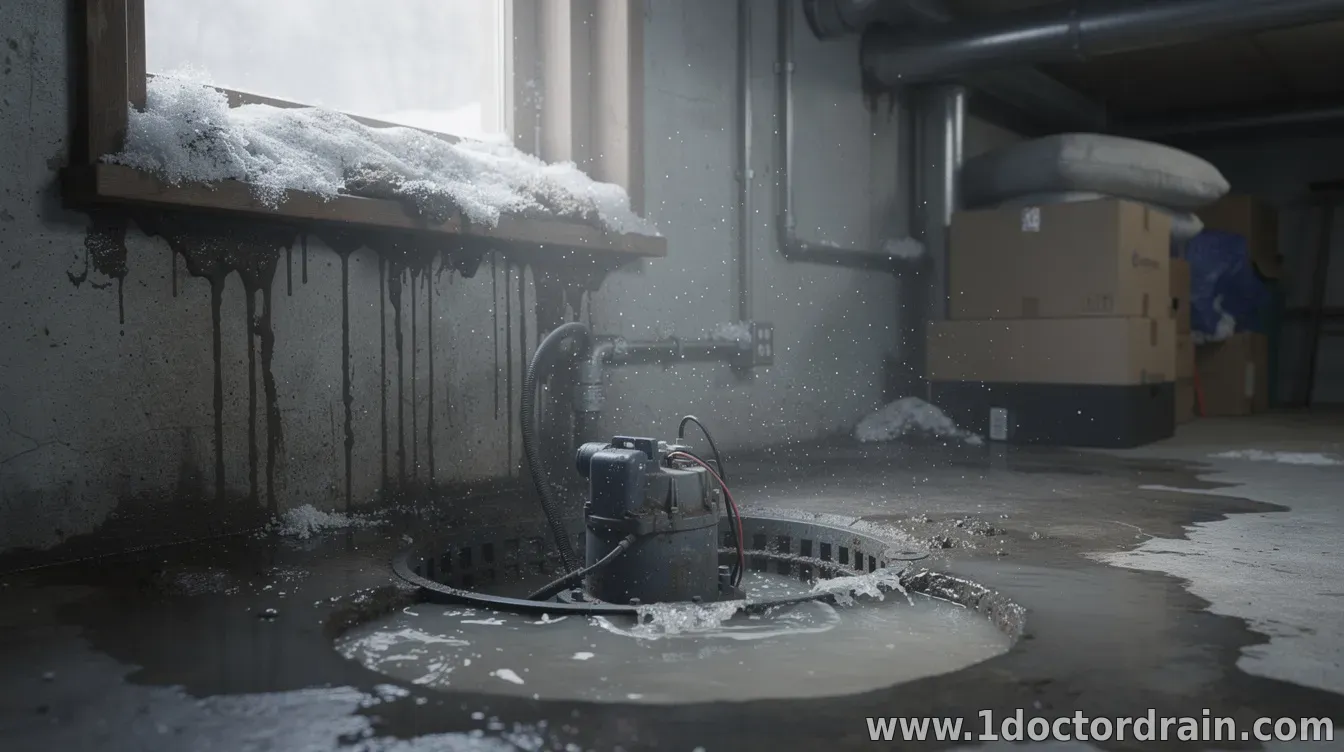
April earns a reputation as sump pump “failure season” because it aligns with spring thaw: melting snow, rising groundwater, and more frequent downpours after months of frozen ground. Even when a pump has worked reliably all winter, the sudden change in water volume and soil conditions can expose weaknesses—especially when maintenance has slipped.
For homeowners, the risk isn’t just that the pump will run more often. It’s that the system may be unable to move water efficiently when it matters most. Spring melt increases water pressure and pump run time
During winter, groundwater movement is often reduced by frozen soil. When temperatures climb, that stored moisture releases. The result can be a rapid rise in water levels around foundations, causing the sump to fill faster and forcing pumps into longer or more frequent cycles.
If a pump’s capacity is marginal, if the discharge line is restricted, or if the basin fills with debris, heavy meltwater can overwhelm the system before corrective action is possible. Clogs and debris are common during thaw
April can bring more than water—silt, sediment, and small debris can wash into the sump. Dirt accumulation on the pump intake, a partially blocked discharge pipe, or ice residue that remains in the system can reduce flow rates. Some pumps still “turn on,” but they move far less water than expected, which is often noticed only after flooding has started.
Risk is higher if the sump is fed by multiple sources (e.g., a perimeter drain plus window well drainage) or if the cover and intake areas aren’t kept clear. Power and backup systems are tested—sometimes under stress
Many sump pump failures aren’t mechanical; they’re electrical. Spring storms and wind can increase the likelihood of power interruptions. If the home’s main power is disrupted and the pump relies on backup (battery, generator, or both), that backup must be ready to operate immediately.
Common issues include batteries that haven’t been tested recently, float switches that are misaligned, or charging systems that have degraded over time. A backup system that looks “fine” can still fail to perform under the first real demand of the season. Float switch problems can delay or prevent pumping
The float switch regulates when a pump turns on and off. During spring thaw, fluctuating water levels and sediment buildup can interfere with switch movement. If the float is stuck, too low, or obstructed, the pump may not activate soon enough—allowing the basin to rise above safe levels.
Conversely, if the switch is prevented from shutting off, the pump may run continuously, which can shorten lifespan and increase the chance of overheating or additional strain on discharge components. What homeowners can do before the next melt
Because April conditions can change quickly, prevention is usually less costly than recovery after flooding. Consider treating sump maintenance as seasonal—not annual—so the system is prepared for the first major thaw and the storms that follow.
If your pump runs frequently during thaw but still can’t keep up, or if you’ve noticed changes in noise, discharge rate, or cycling behavior, it may be time for inspection by a qualified professional.
April’s danger is not inevitable. It’s a predictable result of spring thaw conditions that push sump systems beyond what they might tolerate when they’re not fully ready. With timely checks—especially of drainage flow, debris buildup, and backup readiness—homeowners can reduce the odds of a wet basement when temperatures swing and water levels rise.
| |
|
| |
CALL ☎ Subscribe 👆
Next & Previous posts
Related materials:

CONTACT US 📩
Submit the form, we'll contact you as soon as possible!