1:27 AM How to Locate Your Home’s Sewer Cleanout Access Point | |
|
Finding your home’s sewer cleanout access point isn’t just a homeowner convenience—it’s often the first step in diagnosing persistent clogs and preventing minor plumbing issues from turning into expensive repairs. The cleanout is typically a capped opening that gives plumbers a direct route to inspect or clear a blocked main drain line.
Because building layouts vary, the key is to narrow down where your main drain line runs and then look for the most likely entry point. Start with what you know about your plumbing system, then use visual clues outside and inside your home. Step 1: Identify where the main drain line exits your home
Your sewer line usually leaves the house at a basement wall, crawlspace area, or in the lower portion of the home. If you have a basement or crawlspace, inspect where the main plumbing pipes run toward the perimeter of your foundation. This pathway helps you predict where a cleanout is likely installed—often near that route. Step 2: Look for an exterior cleanout near the foundation
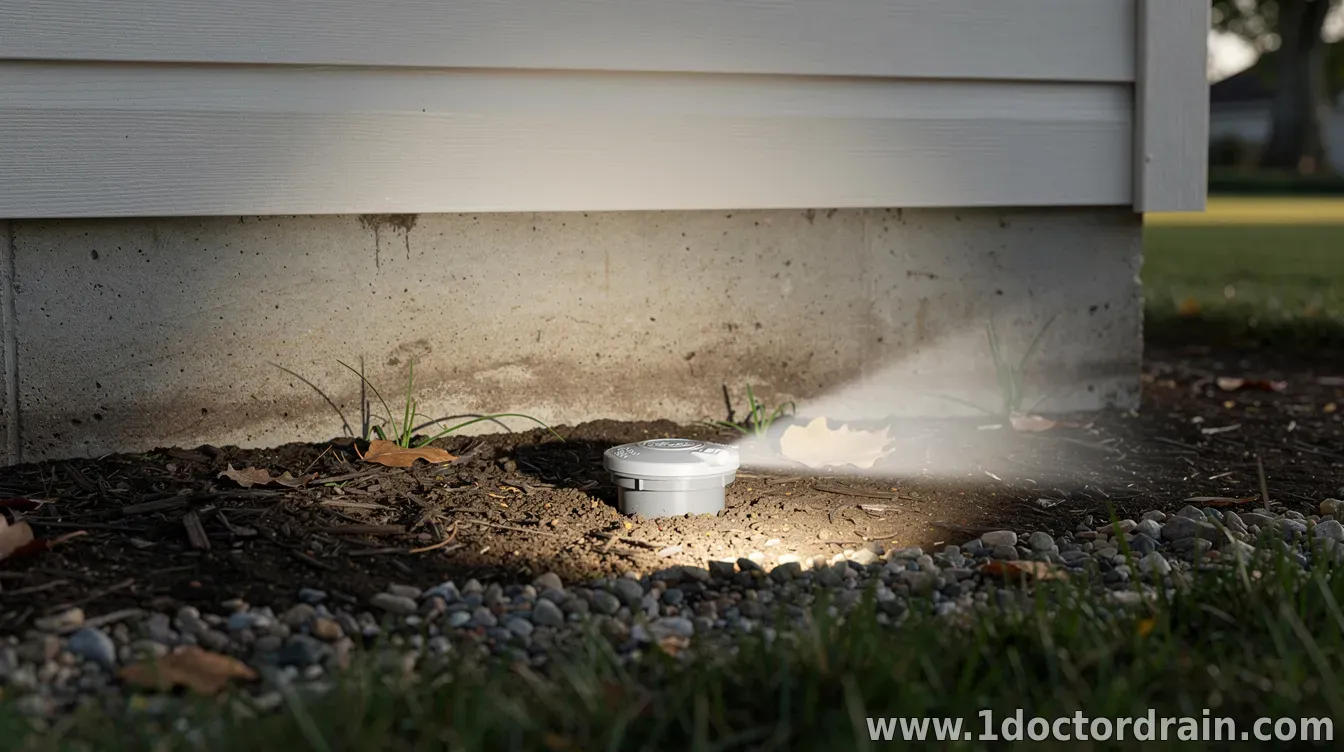
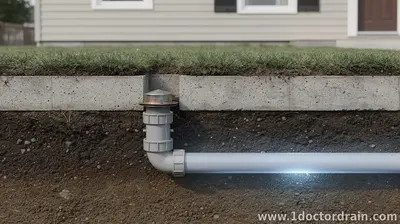
Many homes have a cleanout outside, commonly located a few feet from the foundation along the line that carries waste to the sewer. Typical signs include a capped pipe connection, a small riser, or a round/rectangular access cover in soil, grass, or concrete. It may be flush with the ground or slightly raised, depending on installation depth.
If you’re checking outdoors, look for metal or plastic caps on a short vertical section of pipe. Some cleanouts are marked with a visible cap; others are hidden under a cover or slab that aligns with the drain pathway. Step 3: Check inside for a capped pipe on the main line
In homes without exterior cleanouts (or where they’re hard to access), the cleanout may be indoors—often in a garage, basement, utility room, or near where the main drain line enters or drops down. Look for a capped opening with a threaded plug, a removable cap, or a fitting that looks unlike ordinary supply pipes.
Cleanouts indoors are sometimes paired with drain arrangements that include a “wye” or elbow configuration, which directs flow while providing service access. If you have a sketch of your plumbing layout—or can locate the largest main drain pipe—start there and scan for a fitting that’s designed to be opened for maintenance. Step 4: Use plumbing maps, permits, or prior service records
If you’re having difficulty visually locating the cleanout, consult any available documentation. Renovation permits, original construction diagrams, or even old plumber invoices can help pinpoint the service access location. Many plumbing systems also have identifiable features—such as a specific venting arrangement—that correlate with where the main sewer line runs.
When in doubt, tracing the main drain pipe from the bathroom groupings (commonly near showers, toilets, or tub/shower drains) toward the foundation can reveal where a cleanout was added for practical access. Step 5: Confirm you’re finding the sewer cleanout, not a different one
Not every capped fitting is a sewer cleanout. Bathrooms and fixtures may have cleanouts for specific branch lines, while HVAC condensate drains and sump pumps can include access points that aren’t connected to the sanitary sewer. A true sewer cleanout is generally associated with the main drain line that carries wastewater out of the home.
As a safety check, avoid opening any sealed components unless you’re confident about what you’re working on. If the cap is fused, corroded, or you can’t identify it clearly, consider professional assistance—especially if the area shows signs of water intrusion or strong odors. Common locations to check
While there’s no single universal spot, homeowners most often find sewer cleanouts in a few predictable areas:
Once you locate the access point, consider marking it clearly and keeping a note of its approximate location. That small step can prevent delays during the next slow-drain or backup event.
If your cleanout is difficult to access due to landscaping, flooring, or corrosion, it may still be worth arranging a one-time inspection. A licensed plumber can confirm the correct cleanout, verify connection to the main sewer line, and advise the easiest way to reach it in the future.
| |
|
| |
CALL ☎ Subscribe 👆
Next & Previous posts
Related materials:
CONTACT US 📩
Submit the form, we'll contact you as soon as possible!